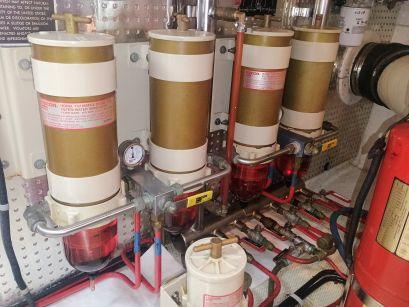
Fuel system problems are one of the most common causes of starting issues, power loss, excessive smoke, and performance problems in marine diesel engines. This Fuel System Diagnosis Center organizes the step-by-step troubleshooting process used by trained technicians at 805 Marine Diesel Mechanic.
This page acts as a structured fuel system hub connecting all fuel-related diagnostic guides. If your engine struggles to start, loses RPM, or shows signs of fuel restriction, begin here.
Return to Master Marine Diesel Troubleshooting Guide →
Starting Problems & Fuel Delivery Issues
- Marine Diesel Cranks But Won’t Start
- Hard Starting (Cold vs Warm Diagnosis)
- No Start After Fuel Filter Change
- How to Prime a Marine Diesel Fuel System
Fuel Restriction & Flow Problems
- Fuel Restriction vs Air Restriction Diagnosis
- Racor Filter Troubleshooting Guide
- Diesel Algae Contamination Signs
Performance & Power Loss Related to Fuel
Smoke & Combustion Indicators
Advanced Fuel System Diagnostics
Local Marine Diesel Fuel System Service
805 Marine Diesel Mechanic provides complete fuel system diagnostics, filtration upgrades, injector troubleshooting, and fuel contamination solutions throughout Ventura, Oxnard, Channel Islands Harbor, and Santa Barbara.
Schedule Fuel System Inspection →
Understanding Marine Diesel Fuel System Diagnostics
Marine diesel engines rely on a precisely controlled fuel delivery system to maintain proper combustion, power output, and engine reliability. Even small disruptions in fuel flow can cause noticeable symptoms such as hard starting, loss of RPM, excessive smoke, or engine shutdown under load.
The typical marine diesel fuel system consists of several key components working together to deliver clean, pressurized fuel to the injectors. These components include fuel tanks, supply lines, lift pumps, primary and secondary filtration systems, injection pumps, and high-pressure injectors. When any part of this system becomes restricted, contaminated, or develops an air leak, engine performance can quickly deteriorate.
For this reason, professional marine diesel diagnostics always begin with a structured fuel system inspection. Experienced technicians evaluate fuel pressure, filtration condition, tank contamination, and injector performance before moving on to more complex mechanical diagnostics.
Many issues that appear to be mechanical failures are actually caused by simple fuel delivery problems. A clogged Racor filter, air leak in the supply line, or contaminated fuel tank can produce symptoms that mimic turbocharger failure, compression loss, or injector malfunction.
By systematically diagnosing the fuel system first, trained technicians can quickly isolate the root cause of many common marine diesel engine problems.
Common Symptoms of Marine Diesel Fuel System Problems
Fuel system problems often present themselves through clear engine performance symptoms. Recognizing these warning signs early can prevent larger engine failures and expensive repairs.
Common symptoms of marine diesel fuel system problems include:
- Hard starting or extended cranking
- Engine starts but stalls shortly afterward
- Loss of RPM under load
- Engine surging at cruise speed
- Excessive black smoke under throttle
- Engine shuts down at higher power settings
- Fuel pressure alarms or low fuel flow readings
In many cases these symptoms are caused by restricted fuel flow. Contaminated fuel, clogged filters, microbial growth inside fuel tanks, or collapsing fuel lines can prevent the engine from receiving the fuel volume required to maintain proper combustion.
Air leaks in the fuel supply system can produce similar symptoms. Small air leaks often allow the engine to idle normally while causing performance problems at higher RPM.
These types of issues are especially common on vessels that sit unused for extended periods or operate in areas where fuel contamination is more likely.
Fuel Contamination and Filtration Problems
One of the most frequent causes of marine diesel engine performance problems is contaminated fuel. Water intrusion, microbial growth, and sediment buildup inside the fuel tank can quickly overwhelm the filtration system and restrict fuel flow.
Most marine diesel engines rely on a two-stage filtration system consisting of a primary filter and a secondary engine-mounted filter. Primary filtration is typically handled by systems such as Racor fuel filter water separators, which remove water and debris before the fuel reaches the engine.
When fuel contamination occurs, filters can become clogged very quickly. This restriction limits the amount of fuel reaching the injection pump and injectors, resulting in loss of power and poor engine performance.
In severe cases, contaminated fuel can damage injectors and injection pumps. This is why professional marine diesel technicians often inspect fuel tanks and filtration systems first when diagnosing engine performance issues.
Routine filter replacement and regular fuel system inspection are critical to maintaining reliable marine diesel operation.
Professional Marine Diesel Fuel System Testing
Professional fuel system diagnostics often involve specialized tools and testing procedures designed to measure fuel flow, pressure, and system restrictions.
Technicians may perform several diagnostic checks including:
- Fuel pressure testing at the injection pump
- Vacuum testing across fuel filters
- Fuel tank contamination inspection
- Injector performance evaluation
- Fuel return line flow testing
Vacuum gauge testing across Racor filters is a common diagnostic method used to identify restricted filters or collapsing fuel supply lines. High vacuum readings indicate that the engine must work harder to pull fuel through the system, which can lead to power loss and poor engine performance.
Injector testing is another important part of advanced diagnostics. Faulty injectors can cause incomplete combustion, resulting in excessive smoke and rough engine operation.
Because modern marine diesel engines rely on precise fuel delivery, accurate testing procedures are essential when diagnosing complex fuel system issues.
Preventing Marine Diesel Fuel System Failures
Preventive maintenance is the most effective way to avoid fuel system problems. Regular inspection of fuel filters, supply lines, and tanks can prevent small issues from becoming major engine failures.
Recommended maintenance practices include:
- Replacing primary and secondary fuel filters at scheduled service intervals
- Inspecting Racor filter bowls for water contamination
- Monitoring vacuum gauges on filtration systems
- Keeping fuel tanks clean and properly maintained
- Using quality diesel fuel and stabilizers when appropriate
Many vessel owners also install upgraded fuel filtration systems to improve reliability. Dual Racor filter manifolds allow filters to be switched while the engine is running, which can be extremely useful when operating offshore or during long cruising trips.
Proper fuel system maintenance not only improves reliability but also extends the life of critical components such as injectors and injection pumps.
Marine Diesel Fuel System Experts in Ventura and Santa Barbara
Diagnosing marine diesel fuel system problems requires experience and a structured troubleshooting approach. The technicians at 805 Marine Diesel Mechanic have over 30 years of experience diagnosing real-world marine diesel engine problems throughout Ventura, Channel Islands Harbor, Oxnard, and Santa Barbara.
From fuel contamination issues and filtration upgrades to injector diagnostics and advanced fuel system troubleshooting, our mobile marine diesel service specializes in identifying the root cause of engine performance problems quickly and accurately.
If your marine diesel engine is experiencing hard starting, power loss, excessive smoke, or fuel restriction symptoms, professional diagnostics can prevent costly damage and restore reliable engine operation.
Schedule Marine Diesel Fuel System Diagnosis →
Continue Diagnosing Marine Diesel Engine Problems
Fuel system issues are only one part of the marine diesel diagnostic process. For a complete step-by-step troubleshooting workflow, return to the master diagnostic hub.
Return to the Master Marine Diesel Troubleshooting Guide →
Fuel System Failure Decision Path (Start Here)
Fuel system problems should never be diagnosed by guessing. The fastest and most accurate way to identify the root cause is to follow a symptom-based decision path. Marine diesel engines will almost always tell you what is wrong — if you know what to look for.
- Hard starting or extended cranking: Often caused by air intrusion, fuel drain-back, or weak supply. Start with Hard Starting Diagnosis and Fuel System Priming.
- Engine starts then stalls: Indicates unstable fuel supply or contamination. See Cold vs Warm Starting Diagnosis and Fuel Contamination Testing.
- Loss of RPM under load: Usually fuel restriction or supply limitation. Continue with Low Power Diagnosis and Fuel System Problems Guide.
- Engine surging at cruise: Often unstable fuel flow or air intrusion. See Surging Diagnosis.
- Black smoke under load: Fuel delivery imbalance or air restriction. Continue with Black Smoke Diagnosis and Smoke Analysis Guide.
Why Fuel System Problems Are Misdiagnosed
Many marine diesel engine issues are incorrectly diagnosed as turbocharger failures, injector problems, or even internal engine damage when the real cause is fuel delivery. A partially clogged Racor filter, contaminated fuel tank, or small suction-side air leak can create symptoms that closely mimic more serious mechanical failures.
This is why trained technicians always begin with fuel system verification before moving deeper into engine diagnostics. Checking fuel pressure, vacuum levels, and filtration condition often reveals the true cause quickly — without unnecessary parts replacement.
Real-World Fuel System Failures We See Every Week
Across Ventura, Channel Islands Harbor, and Santa Barbara, the most common fuel system issues we diagnose include clogged Racor filters, diesel algae contamination, deteriorated fuel hoses, air leaks at fittings, and weak lift pumps. Many of these problems develop slowly and only become noticeable under load or during startup.
Engines that sit unused for long periods are especially prone to fuel contamination and filter clogging. Once debris or microbial growth enters the system, it can repeatedly restrict fuel flow even after filters are replaced.
How Professional Testing Identifies the Real Problem
Professional marine diesel fuel system diagnostics rely on measured data rather than assumptions. This includes vacuum testing across filters, fuel pressure testing at the injection system, and visual inspection of fuel quality and contamination levels.
If vacuum readings are high, it indicates restriction. If fuel pressure is low, supply is insufficient. If air is present, the system cannot maintain consistent fuel delivery. These simple tests eliminate guesswork and lead directly to the root cause.
Marine Diesel Fuel System Diagnosis – FAQ
These frequently asked questions help boat and yacht owners understand fuel system problems, common symptoms, and how to diagnose marine diesel fuel issues correctly.
37 Responses