
Marine mechanic for Banks Sequential Super-Turbo diesel maintenance in Santa Barbara, Ventura, Oxnard, and Channel Islands Harbor. Mobile dockside service, scheduled maintenance, cooling-system care, fuel-system service, and turbo inspections for serious inboard diesel owners.
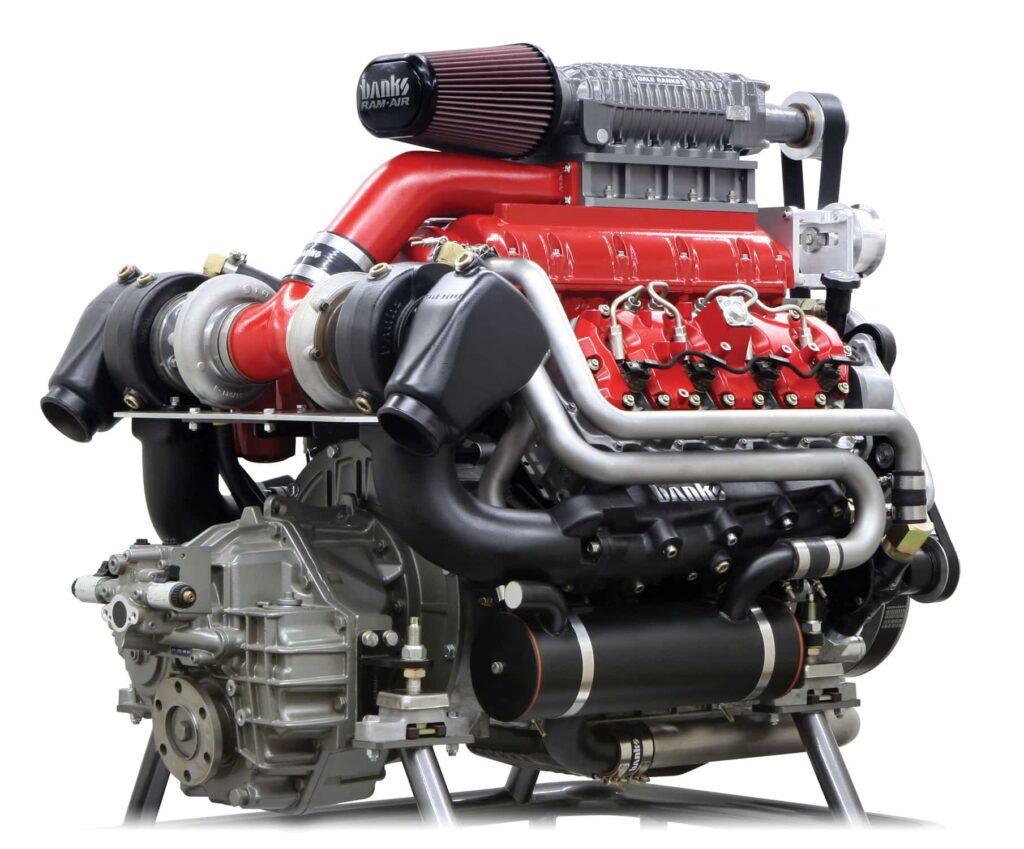
Keeping a Banks Sequential Super-Turbo engine reliable is not just about changing oil on time. These engines depend on clean fuel, proper cooling flow, healthy turbocharger operation, and consistent inspection of the raw-water side. On boats running in Santa Barbara, Ventura, Oxnard, and Channel Islands Harbor, salt exposure, long idle periods, and seasonal use patterns can shorten service intervals compared to a generic maintenance chart.
At 805 Marine Diesel Mechanic, we build maintenance schedules around real operating conditions. That means looking at how the boat is used, how often it sits, whether it runs hard under load, and how the cooling and fuel systems are holding up in local harbor conditions. A proper Banks maintenance schedule protects reliability, reduces surprise breakdowns, and helps avoid the expensive failures that usually start with small neglected items.
Just as important, a good maintenance program supports diagnosis later. When oil service, zinc replacement, impeller changes, exchanger cleaning, fuel filtration, and turbo inspections are documented and done on schedule, it becomes much easier to isolate the true cause of overheating, smoke, hard starting, power loss, or shutdown issues. That is one reason every MDEMS page should support your Master Marine Diesel Troubleshooting Guide.
Need Mobile Banks Diesel Maintenance?
Book dockside service for Banks marine diesel maintenance, inspections, filter service, cooling-system care, and preventative repairs.
Banks Marine Diesel Maintenance Schedule
A professional maintenance schedule should be easy to scan and easy to follow. Instead of burying service intervals in long paragraphs, the key intervals below are organized into clean service boxes. These intervals should always be adjusted for actual engine hours, harbor conditions, and the boat’s duty cycle.
Daily / Pre-Run Checks
- Drain fuel/water separators if needed
- Verify coolant level
- Check engine oil level
- Check marine transmission oil level
- Inspect belts, hoses, and visible leaks
- Check air cleaner service indicator
250 Hours or Yearly
- Replace primary and secondary fuel filters
- Change engine oil and oil filter
- Replace raw-water pump impeller and inspect the pump
- Inspect and clean heat exchangers and intercooler as needed
- Check zinc anodes and replace as needed
- Inspect coolant condition
- Inspect air filter and turbocharger condition
- Inspect exhaust mixing elbow
- Inspect serpentine belt and tensioner
- Pull fault memory with diagnostics when applicable
500 Hours or Yearly
- Replace raw-water impeller and inspect seals
- Replace zinc anodes
- Descale and flush raw-water side components
- Replace engine coolant if due
- Clean intake silencer element
- Inspect and wash turbocharger if needed
- Inspect hoses and wiring connections
- Drain or strip water from the fuel tank bottom
- Replace oil-vapor recirculation filter if equipped
- Repeat oil and fuel filter service as required by usage
750 Hours or Every 2 Years
- Replace fuel filters, oil, oil filter, zincs, coolant, and raw-water impeller
- Replace intake silencer element
- Inspect or replace serpentine belt
- Inspect or replace rubber hoses as needed
- Service or replace the exhaust mixing elbow
- Descale heat exchangers and intercooler thoroughly
- Inspect propeller shaft alignment
- Inspect wiring, clamps, and hose condition system-wide
Why Scheduled Maintenance Matters on Banks Engines
The Banks Sequential Super-Turbo platform rewards maintenance and punishes neglect. On these engines, cooling flow, air movement, and fuel quality all directly affect performance. A partially scaled exchanger, restricted filter, weak raw-water pump, dirty turbocharger, or corroded mixing elbow can all show up as symptoms that owners often mistake for a bigger engine problem.
That is why maintenance is not separate from diagnosis. It is the first layer of diagnosis. When we inspect a Banks engine, we are not just checking off a list. We are looking for patterns that connect maintenance items to likely failures. A restriction on the raw-water side can point toward future overheating. Contamination in the Racor can explain poor throttle response. A neglected intake or turbo inspection can contribute to smoke, lag, or reduced top-end performance.
For owners dealing with symptoms already, these related guides are part of the same maintenance-to-diagnosis system: Fuel Contamination & Filtration Issues Center, Marine Diesel Turbo System Diagnosis Center, Engine Cooling System Maintenance, Raw-Water Pump Maintenance, and Racor Fuel Filtration Monitoring Upgrades.
Prevent Problems Before They Turn Into Repairs
Regular Banks maintenance helps prevent overheating, fuel restriction, turbo trouble, smoke complaints, and power-loss issues under load.
Common Banks Maintenance Problems We Catch Early
One of the biggest benefits of professional maintenance is finding trouble before it becomes a breakdown. On Banks engines, we commonly catch early signs of raw-water pump wear, exchanger scale buildup, weak zinc protection, fuel contamination, belt wear, and turbo fouling. These are exactly the kinds of issues that lead to overheating, low power and loss of RPM, hard starting, and rough idle.
Saltwater boats in Channel Islands Harbor, Ventura Harbor, and Santa Barbara Harbor often need more attention on zincs, exchangers, elbows, and hose condition than inland or freshwater schedules would suggest. Boats that sit for long periods also tend to collect condensation in the fuel system, which is why filter and separator inspection matter so much in local service planning.
Local Banks Maintenance for Santa Barbara, Ventura, Oxnard, and Channel Islands Harbor
Local conditions matter. Warm saltwater, year-round boating, coastal corrosion, and mixed running habits all affect the real maintenance interval. A boat that makes short harbor runs and sits for weeks between outings may need a different service emphasis than one that runs offshore regularly under steady load. Around Ventura and Channel Islands, we often recommend closer attention to zinc condition, raw-water side cleanliness, and fuel quality because these systems are where small maintenance delays turn into expensive engine trouble.
Our goal is to keep the schedule practical, not generic. That means building a maintenance plan that protects reliability, supports resale value, and reduces emergency repairs.
Trusted External References
Want a Maintenance Schedule Built Around Your Boat?
We tailor Banks diesel maintenance intervals around usage, hours, salt exposure, and local harbor conditions.
Banks Diesel Maintenance FAQ
1. How often should a Banks marine diesel be serviced?
At minimum, follow hour-based and annual intervals, but local saltwater use and long idle periods often justify tighter inspection and cooling-system service.
2. Should I follow hours or calendar time?
Both matter. On low-hour boats, calendar time is still critical because corrosion, fuel degradation, and impeller set can occur even without heavy use.
3. How often should zinc anodes be checked locally?
In Santa Barbara, Ventura, Oxnard, and Channel Islands Harbor, zincs often need inspection more frequently, and many boats need replacement about every 6 months.
4. Why is raw-water impeller service so important?
The impeller is central to seawater cooling. A weak or damaged impeller can lead directly to overheating and exchanger problems.
5. How often should fuel filters be changed?
Fuel filters should follow the service schedule, but contaminated fuel, biological growth, or water intrusion can require more frequent replacement.
6. What maintenance item is most often ignored?
Cooling-system cleaning and exchanger descaling are often delayed too long, especially on saltwater boats.
7. Can poor maintenance cause low RPM?
Yes. Restricted fuel flow, fouled turbo components, dirty coolers, and neglected intake service can all contribute to low RPM and poor performance.
8. How often should engine oil be changed?
Oil changes should follow the engine schedule and usage profile. Boats that idle a lot or sit for long periods still need regular service.
9. Does coolant need scheduled replacement?
Yes. Coolant condition matters for corrosion protection and heat transfer, and it should be checked and replaced at the proper interval.
10. Should the turbocharger be inspected during maintenance?
Absolutely. Turbo condition affects spool-up, power, smoke, and engine efficiency.
11. What does exchanger scaling usually feel like from the helm?
You may see rising temperature, falling top-end RPM, or a boat that feels lazy under normal load.
12. How important is the exhaust mixing elbow?
Very important. Corrosion and restriction in the elbow can affect cooling discharge and create serious operating issues.
13. Does sitting unused hurt a Banks diesel?
It can. Sitting allows fuel problems, moisture accumulation, impeller set, corrosion, and hose aging to develop quietly.
14. Should I keep service records?
Yes. Good records support resale value, improve diagnosis, and help keep interval planning accurate.
15. Can maintenance reduce smoke issues?
Yes. Filter condition, turbo health, cooling efficiency, and proper fuel delivery all affect combustion quality and smoke output.
16. What local conditions shorten service intervals?
Salt exposure, warm water, year-round use, heavy loading, and long idle periods can all justify shorter inspection or cleaning intervals.
17. Is shaft alignment part of maintenance?
It can be, especially when vibration, drivetrain changes, or periodic inspection intervals call for it.
18. Why inspect the fuel tank during maintenance?
Because water, sludge, and contamination in the tank often show up later as filter plugging, power loss, or hard starting.
19. Do you service only Banks engines?
No. We also work on other inboard marine diesel platforms, including related systems and support diagnostics.
20. When should I book professional Banks maintenance?
Before performance drops. The best time is at the scheduled interval or when early signs like temperature rise, smoke, hard starting, or poor throttle response appear.