
FPT marine diesel maintenance in Ventura, Channel Islands Harbor, and Santa Barbara Harbor. Mobile dockside FPT Cursor diesel service, preventative maintenance, cooling-system care, fuel-system service, and interval-based support by 805 Marine Diesel Mechanic.
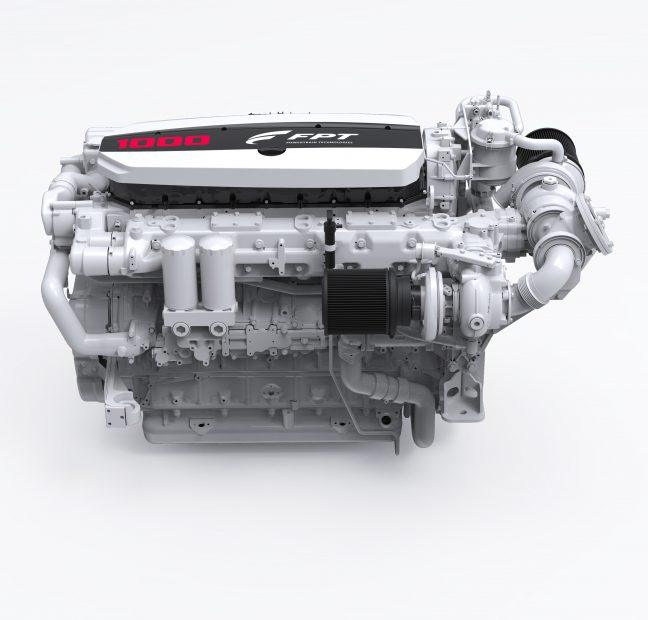
FPT Cursor engines are known for excellent power density, strong efficiency, and dependable performance when their maintenance schedule is followed with discipline. These engines are capable and modern, but like any marine diesel, they rely on clean fuel, proper airflow, correct lubrication, healthy cooling circuits, and close inspection of wear items before they become failure points.
At 805 Marine Diesel Mechanic, we build FPT maintenance around real-world local conditions. In Ventura, Channel Islands, and Santa Barbara, boats deal with salt exposure, long idle periods, seasonal storage, warm water, and varying duty cycles. A good maintenance schedule has to reflect those realities. That is why we combine both engine-hour intervals and chronological service intervals into one practical plan.
This page also works best when it supports your broader diagnostic system. Your existing links to practical troubleshooting tips and consistent maintenance stay in place because maintenance and diagnosis are part of the same process.
Need FPT Cursor Maintenance?
Book dockside FPT maintenance, oil service, cooling-system care, fuel-system service, and interval-based inspections with 805 Marine Diesel Mechanic.
Professional FPT Service for Cursor Marine Engines
FPT’s marine line builds on a long powertrain history and combines durable core engine design with modern fuel and air-management systems. That means maintenance matters even more than it does on older, simpler engines. Fuel quality, aftercooler condition, turbo health, seawater flow, belt tension, oil condition, and electrical integrity all directly affect how well an FPT Cursor performs and how long it will stay reliable.
We tailor service around duty cycle, fuel quality, storage patterns, and local water conditions unique to Ventura, Channel Islands Harbor, and Santa Barbara Harbor. Boats that troll, idle for long periods, or sit between trips often need different maintenance emphasis than boats that run hard offshore every week.
Daily Inspection
- Engine oil level / transmission oil level
- Coolant level in expansion tank
- Operation of instruments
- Visual inspection of engine for oil and coolant leaks
- Drain water from fuel filters and fuel pre-filters
- Reverse gear oil level
200 Service Hours or 6 Months
- Repeat: complete the daily checks first
- Drive belts: check tension and adjust if necessary
- Electric: check all electrical connections for security
- Air cleaner: inspect for restriction
- Zinc anodes: inspect and replace if necessary
- Antifreeze: check concentration and correct if necessary
- Seawater Pump Seals: inspect raw-water pump seals for leakage
- Seawater strainer: clean out seawater strainer
- Replace transmission oil and filter / clean strainer
600 Service Hours or Yearly
- Zinc anodes – inspect/replace
- Seawater pump impeller – replace
- Seawater pump seals – inspect
- Seawater system – flush with descale solution
- Battery electrolyte level – check
- Belts – check belt tensioner and drive belts; correct or replace as necessary
- Cooling system SCA – test/add
- Engine air cleaner element – clean/replace
- Engine crankcase breather – clean
- Engine oil sample – obtain
- Engine oil and filter – change
- Fuel inlet screen – clean
- Fuel system primary filter/water separator element – replace
- Fuel system secondary filter – replace
- Fuel tank water and sediment – drain
- Hoses and clamps – inspect/replace
- Seawater strainer – clean/inspect
- Water pump – check seal
- Reverse gear – change oil and filter
- Inspect all hydraulic hoses and fittings for leaks, wear, cracks, or age
1000 Service Hours or 2 Years
- Aftercooler core – clean/test
- Cooling system coolant – change
- Engine protective devices – check
- Magnetic pickups – clean/inspect
- Turbocharger – inspect
- Adjust valve lash
- Inspect exhaust hose and cooling-water hoses; replace as needed
- Engine valve lash – inspect/adjust
- Fuel injection timing – check

NOTE: These are FPT Marine periodic maintenance recommendations adapted from the service manual. At 805 Marine Mechanic, we customize maintenance for real-world conditions in Ventura, Channel Islands, and Santa Barbara to balance reliability, performance, and cost.
Why Preventive Maintenance Matters for FPT Cursor Engines
Cursor-series engines build their reputation on controlled combustion, strong airflow, efficient cooling, and modern fuel management. When those systems stay clean and in-spec, the engine performs like it should. When service gets delayed, power falls off, smoke risk rises, fuel economy suffers, and overheating becomes more likely.
- Protects power and fuel economy at cruising RPM by keeping injectors, turbo, and charge-air paths clean
- Prevents overheating caused by seawater restrictions, weak caps, or fouled exchangers
- Extends component life by catching leaks, belt wear, and weak connections early
- Reduces total cost by clustering time-based and hour-based jobs into fewer service visits
This page also benefits from FPT-relevant internal links that fit real failure crossover logic. Along with the links you already had, this page naturally supports related reading like FPT Cursor specifications, turbo system diagnosis center, fuel system diagnosis center, and boat engine overheating diagnosis.
Prevent Overheating, Turbo Trouble, and Fuel-System Problems
Routine FPT maintenance helps prevent cooling restrictions, airflow problems, fuel contamination, hard starting, and performance loss under load.
Key Inspection Points Between Services
Routine eyes-on checks are still one of the cheapest and smartest forms of preventative maintenance. In addition to your daily list, weekly checks should include the following:
- Belts & tensioners: look for glazing, cracking, fraying, or dust around pulleys
- Electrical grounds & connectors: keep them clean, tight, and corrosion-free
- Air intake & ducting: confirm there are no crushed hoses or restrictions
- Exhaust & lagging: look for soot trails or soft wet-exhaust hoses
- Fuel system: monitor for water, air leaks, or emulsified fuel
- Mounts & alignment: inspect for movement, torn rubber, or shifted hardware
Oil Strategy: Intervals, Operating Profile & Quality
Short, low-load operation is hard on oil. Idling only to charge batteries or making repeated short marina moves can prevent oil from reaching and holding proper operating temperature. That allows moisture and soot to accumulate, which then forms acids, sludge, and carbon. If that describes how your boat is used, the smartest move is to shorten oil intervals and stay disciplined about filter quality.
Oil sampling can be especially valuable on engines like the FPT Cursor. It gives you a trend line on wear metals, soot loading, fuel dilution, and early bearing or ring issues before those problems are obvious in sound or performance.
For reference, products like Delo 400 4-stroke oil are commonly discussed in marine contexts, but your actual oil choice should always match FPT specs for the specific model and operating environment.
Freshwater & Seawater Cooling — What to Watch
Your closed-loop freshwater side cools the cylinder jackets, heads, and turbo, while the seawater side rejects that heat overboard. On most marine diesels, the number one reason for in-season overheating is restricted seawater flow. That makes strainer cleaning, impeller replacement, exchanger condition, and cap testing critical. Small cooling problems nearly always become bigger ones if ignored.
On local boats in Ventura, Channel Islands, and Santa Barbara, marine growth, scale, salt buildup, and raw-water debris all shorten the margin for error. That is why annual impeller service and regular cooling-system checks should be treated as non-negotiable.

Engine Room Log & Recordkeeping
Keep a clean engine-room log and update it for every oil change, filter replacement, coolant test, belt replacement, and inspection. Hours, dates, part numbers, and observations all matter. Good recordkeeping speeds troubleshooting, supports resale value, and makes future maintenance planning much easier.
About 805 Marine Mechanic
805 Marine Mechanic is a veteran-owned marine diesel specialist serving Ventura, Channel Islands, and Santa Barbara. We service FPT Cursor marine engines alongside Detroit Diesel, MAN, Cummins, John Deere, Yanmar, and Perkins. Our mobile in-slip service minimizes downtime and combines OEM-aligned procedures with real field experience in Southern California saltwater conditions.
From valve-lash checks and turbo inspections to heat-exchanger descaling and electrical diagnostics, we provide clear communication, practical service planning, and written documentation so you know exactly what was done and why it matters.
FPT Marine Maintenance FAQ
1. How often should an FPT Cursor marine engine be serviced?
That depends on hours and calendar time, but the service schedule should follow the daily, 200-hour, 600-hour, and 1000-hour intervals along with yearly and multi-year tasks.
2. Do low-hour FPT engines still need scheduled maintenance?
Yes. Time-based service still matters because coolant, hoses, fuel, and seals age even when engine hours stay low.
3. Why are zinc anodes important on FPT marine engines?
Zincs help protect cooling components from galvanic corrosion in saltwater environments.
4. What causes overheating on an FPT Cursor?
Common causes include restricted seawater flow, fouled exchangers, weak pump performance, cap issues, or cooling-system neglect.
5. How often should the impeller be replaced?
Typically yearly or at the specified interval, and sooner if wear, cracking, or weak flow is found.
6. Why is aftercooler service so important?
Because a dirty or restricted aftercooler affects air density, performance, combustion quality, and temperature control.
7. Can poor maintenance cause low power?
Yes. Airflow restriction, fuel contamination, cooling issues, or turbo-related problems can all reduce performance.
8. How often should engine oil be changed?
At the prescribed interval and sooner if operating profile, oil sampling, or contamination suggests it should be shortened.
9. Do you inspect belts and tensioners during service?
Yes. Belt condition and tensioner function are part of proper preventative maintenance.
10. Should I keep an engine-room log?
Absolutely. Logs help track intervals, notice patterns, support resale, and improve troubleshooting.
11. What local conditions shorten service intervals?
Salt exposure, warm water, marine growth, long idle periods, and irregular use can all shorten practical service intervals.
12. Can maintenance improve fuel economy?
Yes. Clean fuel, clean air, efficient cooling, and correct timing all support better efficiency.
13. Why inspect hoses and clamps so often?
Because small leaks or weak clamps can quickly become larger cooling or fuel-system issues.
14. Do FPT engines need regular electrical inspection?
Yes. Corrosion and loose connections can affect starting, alarms, charging, and engine controls.
15. Can bad fuel damage an FPT marine engine?
Yes. Water and contamination can damage filters, injectors, and fuel-system components.
16. Do you provide mobile FPT service?
Yes. We provide dockside service in Ventura, Channel Islands Harbor, and Santa Barbara where access allows.
17. Do you only work on FPT engines?
No. We service other inboard marine diesel brands as well, but FPT Cursor engines are one of the platforms we support.
18. When should I call a mechanic?
The best time is before minor signs like temperature drift, smoke, low power, leaks, or alarm issues become larger repairs.
19. Is valve-lash adjustment important on these engines?
Yes. Proper valve adjustment supports combustion efficiency, clean running, and long-term reliability.
20. Can maintenance support resale value?
Yes. Documented preventative care makes engines and boats easier to trust and easier to sell.
Ready to Schedule FPT Marine Service?
Protect your FPT Cursor engine with a maintenance plan customized to your hours, routes, and harbor conditions. We service Ventura, Channel Islands, and Santa Barbara with convenient dockside appointments.