
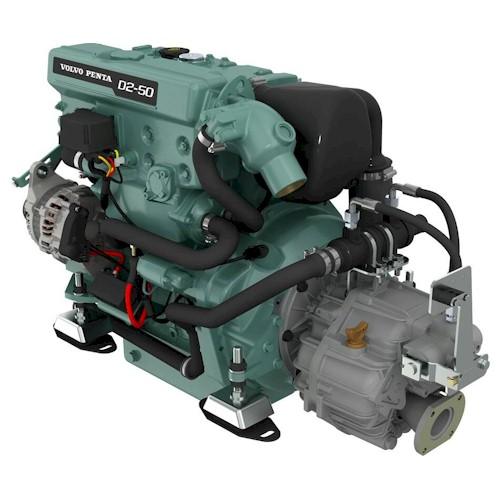
Volvo Penta D2-50 Fuel System Problems: Hard Starting, Power Loss & Professional Restriction Diagnosis
The Volvo Penta D2-50 is a dependable mechanical marine diesel platform, but like all suction-side fuel systems, it is highly sensitive to restriction, air intrusion, and contamination. When fuel supply becomes unstable, symptoms appear quickly—hard starting, stalling, loss of RPM, and smoke under load.
At 805 Marine Diesel Mechanic, servicing Ventura, Oxnard, Channel Islands Harbor, and Santa Barbara, these problems are diagnosed as system failures—not isolated parts. Fuel, air, load, and mechanical condition all interact.
Start here:
Master Marine Diesel Troubleshooting Guide
How the D2-50 Fuel System Actually Fails
The D2-50 depends on a stable low-pressure fuel supply. Restriction or air leaks reduce flow, which directly impacts injection performance. These issues often develop slowly, becoming noticeable only under load.
Diagnose here:
Fuel System Diagnosis Center
Hard Starting & Drain-Back Conditions
Air intrusion or fuel draining back to the tank causes extended cranking. This is common after filter service or when suction-side connections weaken.
Related:
Air in Fuel
No Start After Filter Change
Power Loss Under Load
Fuel demand increases at cruise RPM. If supply cannot keep up, combustion weakens and RPM drops.
Cross-check:
Loss of Power
Black Smoke & Combustion Imbalance
Fuel imbalance leads to incomplete combustion and black smoke. Often misdiagnosed as injector failure.
Guide:
Black Smoke
Restriction Development
Sludge, clogged filters, collapsed hoses, and blocked pickups restrict flow gradually.
Contamination:
Fuel Contamination
Misdiagnosis (Critical Section)
Fuel problems mimic turbo, cooling, and load issues. Always rule out fuel first.
Advanced Diagnostics
Vacuum testing, flow testing, and air leak isolation are required to confirm the fault.
Advanced:
Diagnostics Center
Injector Protection
Contamination damages injectors. Prevention through filtration and maintenance is critical.
Preventative Upgrades
Dual filtration, vacuum gauges, and fuel polishing reduce failure risk.
External:
Volvo Penta
Racor
Local Volvo Specialists
805 Marine Diesel Mechanic provides mobile diagnostics across Ventura, Oxnard, Channel Islands Harbor, and Santa Barbara.
FAQ
1. Why does my D2-50 crank but not start?
Air intrusion or fuel drain-back prevents the injection pump from receiving solid fuel. This is common after filter changes or suction leaks.
2. What causes power loss under load?
Fuel restriction limits supply at higher demand. See power loss guide.
3. Can air in fuel cause stalling?
Yes, air disrupts combustion and can cause the engine to stall shortly after starting.
4. Why does it start then die?
Fuel supply becomes unstable after initial startup. See starts then dies.
5. Is black smoke always injector failure?
No, often caused by fuel imbalance or restriction.
6. Can restriction develop slowly?
Yes, sludge and debris build over time.
7. Should I check filters first?
Yes, filters are the most common restriction point.
8. Can hoses collapse internally?
Yes, especially older hoses.
9. Can fuel problems mimic turbo issues?
Yes, always rule out fuel first.
10. Can it cause shutdown?
Yes, see shutdown causes.
11. What is vacuum testing?
It measures restriction on the suction side.
12. Can contamination damage injectors?
Yes, quickly.
13. Can air leaks be invisible?
Yes, suction leaks rarely show fuel.
14. Why does it run fine at idle?
Low demand hides restriction.
15. Can lift pump failure cause this?
Yes, it reduces supply pressure.
16. Should I install a vacuum gauge?
Yes, for early warning.
17. Can contamination cause smoke?
Yes, due to poor combustion.
18. Is this a common issue?
Yes, especially in older systems.
19. Who should diagnose?
A trained technician with marine diesel experience.
20. Where should I start?
Start with the Master Guide.