
FNM 30HPE marine engine maintenance in Oxnard, Channel Islands Harbor, Ventura Harbor, and Santa Barbara Harbor. Mobile dockside FNM diesel service, preventative maintenance, cooling-system care, fuel-system service, and interval-based support by 805 Marine Diesel Mechanic.
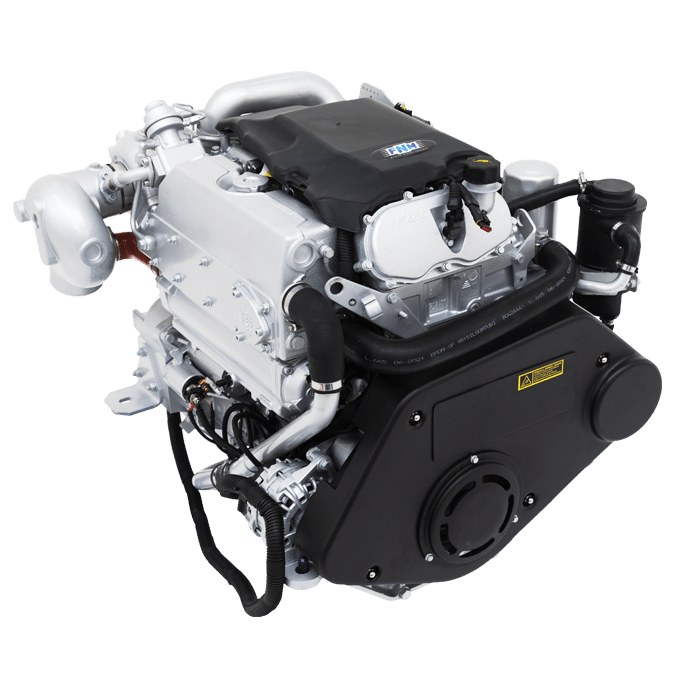
FNM Marine Engine Maintenance Schedule 30HPE
The FNM 30HPE is a compact marine diesel that rewards consistent maintenance. Like any marine engine, it depends on clean fuel, healthy lubrication, strong raw-water flow, stable coolant condition, good electrical integrity, and close attention to the small wear items that usually fail first. In local waters around Oxnard, Channel Islands Harbor, Ventura Harbor, and Santa Barbara Harbor, salt exposure, irregular use, short-run operation, and seasonal storage can all change how quickly maintenance items age.
At 805 Marine Diesel Mechanic, we approach FNM maintenance with real usage in mind. Some boats are used lightly and sit for long periods. Others make repeated harbor runs, idle for extended time, or operate in a way that builds moisture, soot, and contamination faster than the service book alone might suggest. That is why maintenance is never just about checking boxes. It is about protecting reliability, preventing overheating, controlling fuel contamination, and keeping the engine efficient under actual boating conditions.
This page also works best when it supports your wider diagnostic system. Your existing link to the builder’s guidance / Master Marine Diesel Troubleshooting Guide stays in place because a well-maintained engine is much easier to troubleshoot than a neglected one.
Need FNM 30HPE Maintenance?
Book dockside FNM maintenance, cooling-system service, fluid service, fuel-system care, and interval-based inspections with 805 Marine Diesel Mechanic.
FNM Marine Engine Maintenance Schedule:
The original FNM schedule is solid and worth keeping, but organizing it into professional service cards makes it easier to scan and easier to use in WordPress.
Daily
- Check the amount of coolant in the header tank
- Check the engine for leakage of oil and coolant
- Check the sea water strainer
- Drain water from the fuel pre-filter
- Check the amount of lubricating oil in the sump
- Check the lubricating oil pressure at the gauge
- Check the amount of lubricating oil in the reverse gearbox
250 Service Hours or Yearly
- Repeat daily checks
- Check tension and condition of the drive belt
- Renew the lubricating oil in the reverse gearbox
500 Service Hours or Yearly
- Repeat previous checks
- Check the specific gravity of the coolant
- Check the impeller of the seawater pump
- Clean the sediment chamber and strainer of the fuel lift pump
- Renew the element of the fuel filter
- Renew the engine lubricating oil
- Renew the canister of the lubricating oil filter
- Renew the element of the air filter
- Check all hoses and connections
- Check the audible warning system which protects the engine
- Check the engine mounts
1000 Service Hours
- Repeat 500-hour services
- Check valve tip clearances and adjust if necessary
- Inspect the electrical system for signs of damage
NOTE: These are FNM periodic maintenance recommendations adapted from the original service content. At 805 Marine Diesel Mechanic, we can customize your maintenance around your vessel, engine hours, storage habits, and local operating conditions.
How to Extend Your Boat’s Life: A Complete FNM 30HPE Maintenance Guide
Your FNM 30HPE responds well to regular, hour-based service. Daily checks help catch cooling, lubrication, and filtration problems before they become dockside or offshore failures. The 250, 500, and 1000-hour intervals progressively reset the systems that matter most: raw-water flow, lubrication quality, fuel cleanliness, mount condition, alarm function, and electrical integrity.
Daily (5-minute readiness)
Clear seawater strainers help prevent overheating. Draining the pre-filter helps keep water away from the fuel system. Oil and coolant checks catch small leaks or consumption changes before they become real damage. A stable gearbox level and healthy oil pressure protect bearings, gearsets, and long-term reliability.
250 Hours / Annual (baseline protection)
This is where we confirm drive-belt condition, inspect basic service items, and renew gearbox oil. Even on lightly used boats, time-based service matters because corrosion, fluid aging, and sitting too long all work against marine diesels.
500 Hours / Annual (system refresh)
At this level, the schedule becomes much more protective. Fuel filtration, air filtration, oil service, coolant quality, raw-water pump inspection, alarm checks, hose integrity, and mount condition all matter. This service level tends to improve cold starting, stabilize temperature, reduce smoke risk, and support smoother operation under load.
1000 Hours (deep inspection)
At 1000 hours, valve clearances, electrical condition, and longer-term wear trends deserve more attention. This is where deeper inspection helps protect performance and avoids the slow drift into poor starting, rough running, overheating, or loss of efficiency that many owners do not notice until later.
Prevent Overheating, Fuel Restriction, and Early Wear
Routine FNM 30HPE maintenance helps prevent raw-water flow problems, contaminated fuel, electrical issues, alarm failures, and avoidable downtime.
Best Practices for Ventura, Channel Islands & Santa Barbara Waters
- Zinc Anodes: Warm saline conditions can accelerate consumption, so mid-interval inspection is smart.
- Heat Exchangers: If hours stay low but the boat lives in the water, time-based descaling may matter more than owners expect.
- Fuel Quality: Keep tanks topped when appropriate to reduce condensation, and monitor water contamination closely.
- Impeller Spares: Carry a spare impeller and gasket set onboard.
- Electrical Corrosion: Saltwater environments attack terminals, grounds, and harness connectors surprisingly fast.
This FNM page also benefits from keeping your existing internal links and adding related system links that fit naturally. That means preserving your links to the troubleshooting guide and electrical starting system diagnosis center, while adding support from fuel system diagnosis center, marine diesel cooling system failures, fresh water flushing, and marine seawater pump maintenance.
Marine Diesel Engine Maintenance
Regular Oil Changes
Oil works hard in a marine diesel. It deals with heat, soot, load, moisture, and pressure in ways many gas-engine owners do not fully appreciate. Boats that idle often, run short trips, or spend too much time at the dock can build moisture and combustion by-products in the oil faster than expected. That is why oil and filter changes matter so much, especially when operating patterns are not ideal.
Good oil service helps protect compression, bearings, turbochargers where equipped, and valve-train surfaces. It also helps reduce sludge, acid formation, and soot-related wear. On marine diesels, clean oil is not a small detail—it is one of the major foundations of engine life.

What 805 Marine Mechanic Does on Every Visit
- Operational baseline: Record temperatures, pressures, alternator output, idle quality, and abnormal noise or vibration.
- Cooling system: Clean strainers, inspect or replace impellers, verify raw-water flow, and check for exchanger restrictions.
- Fuel system: Drain water separators, inspect for contamination, service lift-pump strainers, and replace filters as required.
- Lubrication: Change engine and gearbox oil at the correct interval and review oil condition for contamination or abnormal wear.
- Air and exhaust: Replace or clean air elements and inspect exhaust-side components for corrosion, leaks, or restriction.
- Belts and hoses: Check tension, age, wear, and clamp security.
- Electrical: Review battery condition, charging performance, warning systems, and visible connection integrity.
- Mounts and alignment: Check mount condition and watch for signs of vibration-related problems.
- Documentation: Log service intervals, note conditions found, and recommend next-step maintenance based on usage.
How to Extend Your Boat’s Life: A Complete FNM Marine Engine Maintenance Schedule
The surest way to extend the life of your FNM 30HPE is to treat maintenance as a long-term system, not a once-a-year chore. Hour-based milestones plus seasonal inspections protect the engine against the things that most often take marine diesels down: fuel contamination, overheating, low oil quality, deteriorated hoses, weak alarms, and ignored electrical problems.
Comprehensive Maintenance Schedule
Essential Servicing Intervals
Every 100 to 250 hours, focus on fluids, raw-water path checks, belt condition, and contamination control. At 500 hours, refresh oil, air, and fuel service items and inspect alarms and mounts. At 1000 hours, add deeper inspection of valve clearances and electrical condition. This keeps small wear from becoming larger damage.
Key Inspection Checkpoints
Leaks, loose clamps, corrosion, brittle hoses, water in fuel, weak alarms, and charging-system issues are some of the most common sources of downtime. A mechanic who is trained to read those early signs can save owners a lot of money and frustration.
FNM 30HPE Maintenance — Frequently Asked Questions
1. How often should I service my FNM 30HPE in Southern California?
Follow the daily checks and complete the 250, 500, and 1000-hour services as listed, with more frequent inspection in warm, salty local waters.
2. What’s the number one cause of marine diesel overheating?
Restricted raw-water flow from clogged strainers, worn impellers, exchanger scaling, or weak pump performance is one of the most common causes.
3. Can you combine hour-based and time-based tasks to save trips?
Yes. We routinely bundle seasonal tasks with hour milestones when it makes sense for the boat and schedule.
4. Do you service my harbor?
Yes. We provide mobile dockside service for Ventura Harbor, Channel Islands Marina and Harbor, Santa Barbara Harbor, and Oxnard.
5. Why is raw-water strainer inspection so important?
A restricted strainer reduces cooling flow and can quickly lead to overheating.
6. How often should I inspect the impeller?
At the scheduled interval and sooner if temperatures rise, flow drops, or the boat has sat for a long period.
7. Does low use still require annual service?
Yes. Time-based deterioration still affects fuel, coolant, rubber parts, and electrical connections.
8. Why does oil matter so much on marine diesels?
Because diesel oil manages soot, heat, moisture, and pressure while protecting critical internal surfaces.
9. Can poor maintenance cause hard starting?
Yes. Fuel contamination, weak electrical systems, poor oil condition, or restricted air and fuel flow can all contribute.
10. How often should gearbox oil be changed?
Per the schedule and gearbox requirements, typically during the relevant interval service.
11. What is one of the most overlooked maintenance items?
Warning system testing is often overlooked, but it is critical for protecting the engine when a fault develops.
12. Why inspect engine mounts?
Mount condition affects vibration control, alignment, and long-term drivetrain health.
13. Can maintenance help fuel economy?
Yes. Clean filters, proper lubrication, and efficient cooling all support better combustion and lower fuel use.
14. Do you inspect electrical systems during service?
Yes. Electrical integrity is part of good preventative maintenance, especially in corrosive saltwater environments.
15. What local conditions shorten service intervals?
Salt exposure, warm water, long idle time, storage, and short-run operation can all shorten practical intervals.
16. Should I carry spare parts onboard?
Yes. A spare impeller, filters, and basic service items can save a trip or shorten downtime.
17. Can maintenance support resale value?
Yes. Clean documentation and visible service history improve buyer confidence.
18. Do you only work on FNM engines?
No. We support other inboard marine diesel platforms too, but FNM is one of the maintenance pages in your system.
19. What should I watch between service visits?
Watch for temperature drift, leaks, smoke changes, reduced water flow, unusual noise, and warning-system issues.
20. When should I call a professional mechanic?
The best time is before minor signs become major repairs, especially with cooling, fuel, lubrication, or warning-system concerns.
Schedule Your FNM 30HPE Service
Protect your engine with a maintenance plan tuned to Ventura, Channel Islands Harbor, Santa Barbara, and Oxnard conditions. Mobile, in-slip service with OEM-spec parts and clear documentation.