
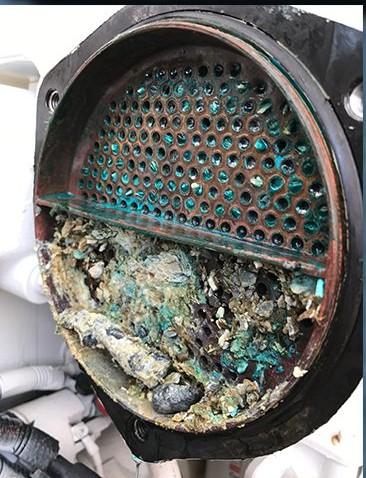
Cooling system failures are some of the most serious problems that can affect a Cummins marine diesel because overheating can escalate quickly from a service issue into major internal engine damage. This guide explains how to diagnose Cummins cooling-system failures by separating raw-water flow problems, heat-exchanger restriction, aftercooler issues, thermostat faults, and coolant-side problems before overheating damages heads, pistons, turbochargers, or bearings.
Cummins Marine Diesel Cooling System Failures: Complete Overheating Diagnosis Authority Guide
Marine diesel cooling problems are one of the few issues that can damage a strong engine very quickly. Cummins marine engines such as the 6BTA 5.9, QSB 5.9, QSC 8.3, QSL9, QSM11, QSX15, and X15 depend on stable engine temperature to protect internal components, maintain combustion efficiency, and keep power output where it belongs. Once cooling-system performance starts falling off, the engine may begin running hotter than normal, losing power, steaming at the exhaust, or even entering protective derate or shutdown behavior.
The danger is that many overheating problems do not begin as obvious emergencies. A slightly fouled heat exchanger, a weak raw-water pump, a dirty aftercooler, or a partially restricted intake path may only show up at higher load or during warm weather at first. Then one day the engine is worked harder than usual and temperature climbs fast. That is why cooling-system diagnosis has to be done as a full-system inspection rather than guessing at one part.
At 805 Marine Diesel Mechanic, Cummins marine diesel cooling system failures are diagnosed throughout Ventura, Oxnard, Channel Islands Harbor, and Santa Barbara. With more than 30 years of marine diesel experience, the goal is to identify the actual restriction or weak point before catastrophic engine damage occurs. This page expands from your Master Marine Diesel Troubleshooting Guide and fits directly into your wider overheating, power-loss, and diagnostics-center content structure.
How Marine Diesel Cooling Systems Work
Cummins marine diesel engines use a combination of closed-loop coolant circulation and raw seawater cooling to control engine temperature. The freshwater side carries engine heat away from the block and cylinder head. That heat is then transferred to seawater through components like the heat exchanger and, depending on engine setup, the aftercooler and related coolers.
The system typically consists of:
- Raw water pump
- Heat exchanger
- Aftercooler
- Thermostat housing
- Freshwater circulation pump
- Engine coolant system
- Raw-water intake, strainer, and discharge path
These components all have to work together. If one section becomes restricted or weak, the engine loses cooling margin fast. Electrical alarm systems that monitor overheating also connect naturally with the Electrical & Starting System Diagnosis Center because warning inputs and real temperature faults need to be separated carefully.
Common Cummins Cooling System Symptoms
Cooling-system failures usually give warning signs before serious engine damage occurs. The key is not ignoring them.
- High engine-temperature alarms
- Steam or very hot exhaust discharge
- Coolant loss
- Reduced engine power
- Engine shutdown alarms
- Rising temperature under sustained load
- Weak raw-water flow from the exhaust
These symptoms often overlap with other complaint pages in your site network such as Boat Engine Overheating, Overheating at Idle, Boat Engine Losing Power, and Marine Diesel Engine Shutdown Causes. That crossover matters because once temperature rises, other engine behaviors usually change too.
Heat Exchanger Restrictions
Heat exchangers are responsible for transferring engine heat to seawater. Over time, marine growth, salt deposits, mineral scale, zinc debris, and corrosion can restrict internal passages. Once enough of the exchanger is blocked, cooling efficiency drops and the engine begins running hotter, especially under load.
Common heat-exchanger problems include:
- Marine growth buildup
- Salt and mineral deposits
- Internal corrosion
- Blocked cooling tubes
- Zinc debris lodged in passages
Restricted heat exchangers reduce cooling efficiency and lead to overheating, but the temperature rise may be gradual at first. That is what makes this problem so deceptive. By the time alarms appear, the exchanger may already be heavily compromised. This topic also connects naturally with Marine Heat Exchanger Cleaning.
Raw Water Pump Problems
The raw-water pump circulates seawater through the cooling system. If the pump weakens or fails, the engine can overheat very quickly. On many engines, the impeller is the first wear point owners think of, but the pump housing, cover, shaft seal, and suction side all matter too.
Common pump issues include:
- Worn impellers
- Damaged pump housings
- Restricted seawater intake
- Air leaks in intake hoses
- Weak pump efficiency at low speed
Impellers should be inspected regularly because once they begin to fail, broken pieces may travel downstream and continue causing restriction even after a new impeller is installed. That is why pump and impeller problems also tie into Seawater Pump Failure & Impeller Damage.
Aftercooler Cooling Problems
Aftercoolers reduce the temperature of compressed intake air before it enters the combustion chamber. If the aftercooler becomes restricted or loses efficiency, intake air temperature rises, combustion quality suffers, and engine performance begins to drop. On turbocharged Cummins engines, this can turn a cooling problem into a power-loss and smoke problem very quickly.
Aftercooler issues can contribute to:
- Hotter intake charge temperatures
- Reduced combustion efficiency
- Loss of power
- Black smoke under load
This is one reason cooling problems connect directly to turbocharger content such as the Marine Diesel Turbo Diagnosis Center and related low-power pages.
Cooling System and Engine Power Loss
Overheating engines often experience reduced power output. Many modern Cummins engines automatically reduce power when temperatures exceed safe limits. Even before that happens, combustion and airflow efficiency begin changing as temperature rises. The engine may feel flat, heavy, smoky, or unable to maintain normal vessel speed.
This protection behavior prevents worse damage, but it also reduces vessel performance. That is why cooling complaints often overlap with:
When a Cummins runs hot and weak at the same time, cooling-system diagnosis belongs near the top of the suspect list.
Fuel System Interaction With Engine Temperature
Fuel-system performance can also be affected by excessive engine temperatures. Hot fuel, poor cooling efficiency, and rising engine temperature can all work together to reduce combustion quality and engine consistency. While fuel contamination is not usually the first cause of overheating, fuel-delivery behavior and combustion quality can change once the engine is running hotter than normal.
This is why cooling complaints also tie naturally into the Fuel System Diagnosis Center and combustion-related symptom pages such as Smoke & Combustion Diagnosis Center.
Raw-Water Intake and Seawater Restriction
One of the most basic but most important checks in any marine cooling complaint is raw-water intake flow. A blocked intake, dirty sea strainer, collapsed intake hose, or marine growth at the pickup can starve the whole cooling system before the pump ever has a chance to do its job.
Even partial restriction can create overheating, especially at higher load. That is why intake-side inspection should always happen early in the diagnostic path. On some boats the engine will run acceptably at idle or light throttle, then overheat when asked to push hard for longer periods.
Professional Cummins Cooling System Diagnosis
Proper cooling-system diagnosis requires inspecting multiple components throughout the engine cooling circuit instead of changing one part and hoping the temperature problem disappears. Many overheating cases are cumulative. A mildly restricted intake, slightly weak impeller, and partially fouled heat exchanger may each seem minor by themselves, but together they remove enough cooling margin to create a real failure.
A structured diagnostic process typically includes:
- Raw-water flow testing
- Heat exchanger inspection
- Impeller inspection
- Coolant system pressure testing
- Temperature-sensor verification
- Aftercooler and discharge-path evaluation
Advanced inspections are also available through the Computerized Marine Engine Survey Diagnostics Center, which helps connect overheating symptoms to larger engine-condition and performance testing.
Cummins Marine Diesel Service in Ventura & Channel Islands Harbor
805 Marine Diesel Mechanic provides Cummins marine diesel cooling-system diagnosis and repair throughout:
- Ventura Harbor
- Channel Islands Harbor
- Oxnard
- Santa Barbara
If your Cummins marine diesel engine is overheating, showing high-temperature alarms, steaming at the exhaust, or losing power as temperature climbs, professional diagnosis can quickly determine whether the real problem is in the heat exchanger, raw-water pump, aftercooler, intake side, or coolant circuit.
Cummins Cooling System FAQ
1. What causes Cummins marine engines to overheat?
Overheating is commonly caused by restricted heat exchangers, worn impellers, blocked seawater intakes, thermostat problems, or other cooling-circuit restrictions.
2. How often should marine heat exchangers be cleaned?
Heat exchangers should often be inspected and cleaned every one to two years depending on operating conditions, salt exposure, and zinc debris levels.
3. Can marine growth cause engine overheating?
Yes. Marine growth can restrict heat exchanger tubes, seawater intakes, and cooling passages, reducing cooling efficiency significantly.
4. What happens if a marine diesel engine overheats?
Severe overheating can damage cylinder heads, pistons, turbochargers, head gaskets, and engine bearings.
5. Can a weak raw-water pump cause overheating even if some water still comes out the exhaust?
Yes. A worn pump may still move some water but not enough to keep the engine cool under real operating load.
6. Can a bad impeller cause a sudden overheating problem?
Absolutely. Impeller failure is one of the fastest ways for a marine diesel to lose raw-water flow.
7. Can aftercooler problems affect power as well as temperature?
Yes. Aftercooler restriction raises intake-air temperature and can reduce combustion efficiency and power output.
8. Can overheating make a Cummins lose power before a full shutdown happens?
Yes. Many Cummins engines reduce output as temperature rises to protect internal components. Related page: Low Power Loss of RPM Diagnosis Center.
9. Can weak exhaust water discharge be a clue?
Yes. Weak or unusually hot discharge often points toward raw-water restriction somewhere in the cooling path.
10. Can a dirty sea strainer make the engine run hot?
Yes. Even partial restriction at the strainer can remove enough flow to cause overheating, especially at higher load.
11. Can thermostat problems cause overheating even if seawater flow looks normal?
Yes. The coolant side matters too, and a thermostat or coolant-circuit problem can cause temperature rise even with decent discharge flow.
12. Can overheating affect smoke and combustion?
Yes. Temperature imbalance changes combustion behavior and can influence smoke, throttle response, and engine smoothness. Related page: Smoke & Combustion Diagnosis Center.
13. Can zinc debris clog a heat exchanger?
Yes. Zinc fragments are a very common source of exchanger restriction in marine diesel cooling systems.
14. Is overheating at idle a different diagnosis path than overheating under load?
Often, yes. Idle-only overheating may point more toward low-speed pump weakness or limited flow margin. Related page: Overheating at Idle.
15. Can exhaust-side restriction contribute to overheating?
Yes. Exhaust restrictions and mixing-elbow problems can interfere with cooling-water discharge and overall heat management.
16. Can coolant loss create overheating even if the raw-water side is healthy?
Yes. The closed-loop coolant side can cause serious overheating independently of the seawater side.
17. Is mobile diagnosis useful for Cummins cooling problems?
Yes. Cooling failures are often easiest to verify on the boat under the same load and temperature conditions where the complaint occurs.
18. Should I keep running the engine if it is overheating?
No. Continued operation can turn a service problem into major engine damage very quickly.
19. When should I call a mechanic for Cummins cooling-system problems?
If the engine is running hot, triggering alarms, steaming, or losing power as temperature rises, it is time for professional diagnosis through the contact page.
20. Where should I start if I want the full Cummins cooling-system pathway?
Start with the Master Marine Diesel Troubleshooting Guide, then move through the linked overheating, exchanger, power-loss, shutdown, and cooling pages from there.
5 Responses