
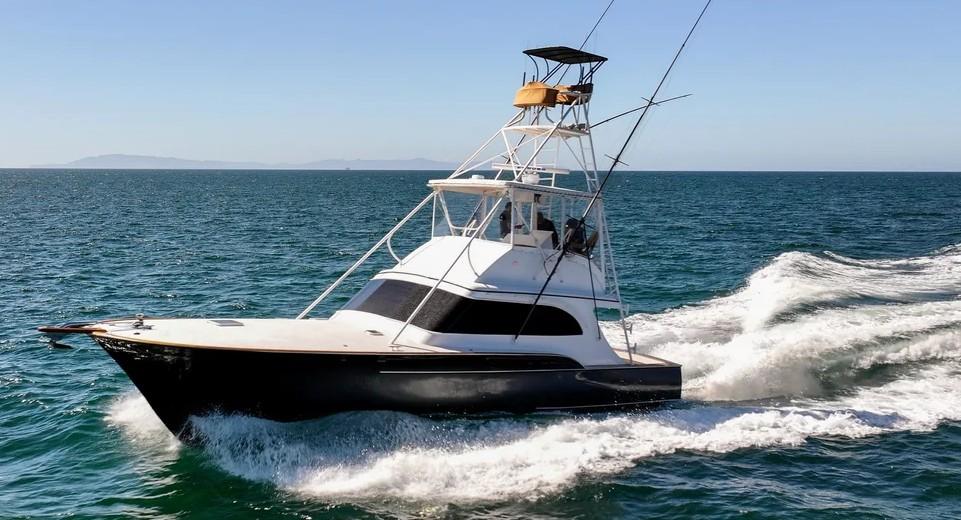
If your boat engine is losing power, struggling to get on plane, or unable to hold normal cruising speed, you are dealing with one of the most common marine diesel problems. This guide explains how to diagnose marine diesel power loss using real system-based troubleshooting so you can separate fuel restriction, turbocharger failure, air intake problems, cooling issues, and propeller overload before replacing the wrong parts.
Boat Engine Losing Power – Marine Diesel Diagnosis Guide
Marine diesel power loss is one of those symptoms that can start subtly and then become a serious reliability problem very quickly. At first, the boat may simply feel slower than normal. Then it begins struggling to get on plane, falls short of normal cruising speed, smokes under throttle, or will not reach expected RPM. In offshore conditions around Ventura, Oxnard, Channel Islands Harbor, and Santa Barbara, loss of power is not just inconvenient. It can become a real safety issue.
A marine diesel engine loses power when one or more of the core systems can no longer keep up with load demand. That usually means a problem with fuel delivery, air supply, turbo boost, exhaust flow, cooling efficiency, or external vessel load. The key is not just seeing the symptom. The key is following the right diagnostic order so the true cause becomes obvious.
With over 30 years of marine diesel experience, 805 Marine Diesel Mechanic diagnoses inboard diesel power loss using real-world mechanic logic built around fuel, air, cooling, combustion, and propulsion. This page expands on the Master Marine Diesel Troubleshooting Guide and ties directly into your broader marine diesel authority system.
Why Marine Diesel Engines Lose Power
Marine diesel engines depend on balance. The fuel system must deliver enough clean fuel. The air system must supply enough oxygen. The turbocharger must build the correct boost. The exhaust system must discharge efficiently. The cooling system must keep temperatures stable. The hull, propeller, and driveline must let the engine turn that power into movement. When one of those systems becomes restricted or weak, the whole engine begins to feel lazy, bogged down, or overloaded.
That is why power loss should never be diagnosed from one symptom alone. A turbo problem can look like a fuel problem. A propeller load issue can feel like weak engine output. A restricted mixing elbow can behave like a failing turbo. Good diagnostics separate these systems one by one instead of throwing parts at the boat.
Common Symptoms of Marine Diesel Power Loss
- Engine won’t reach full RPM
- Slow acceleration or failure to get on plane
- Reduced cruising speed under normal throttle
- Black smoke under load
- Engine feels bogged down or overloaded
- Loss of speed offshore or in heavy load conditions
- Power comes and goes intermittently
These symptoms commonly overlap with Boat Engine Won’t Reach Full RPM, Black Smoke Diagnosis, Engine Surging, and Engine Shutting Down. Those crossover symptoms matter because power loss is often part of a larger performance failure pattern.
Top Causes of Marine Diesel Power Loss
1. Fuel Restriction or Clogged Filters
Fuel delivery problems are the most common cause of marine diesel power loss. When the engine cannot get enough fuel volume under load, it cannot make rated power. The boat may still idle well and start normally, but as soon as throttle demand rises, performance falls off.
Typical causes include clogged Racor filters, restricted secondary filters, blocked pickup tubes, weak lift pumps, contaminated fuel, collapsed hoses, or restrictions at fittings. This is why the Fuel System Diagnosis Center and Fuel Contamination Issues are two of the most important pages connected to this symptom.
2. Air in the Fuel System
Air intrusion is often overlooked because owners focus only on blocked fuel flow. But unstable fuel delivery caused by suction-side leaks can reduce injection quality and limit performance just as badly as a restriction. The engine may surge, hesitate, or feel inconsistent under throttle even when the filters themselves are not badly clogged.
Related reading: Air in Fuel System / Restriction Diagnosis.
3. Turbocharger Failure
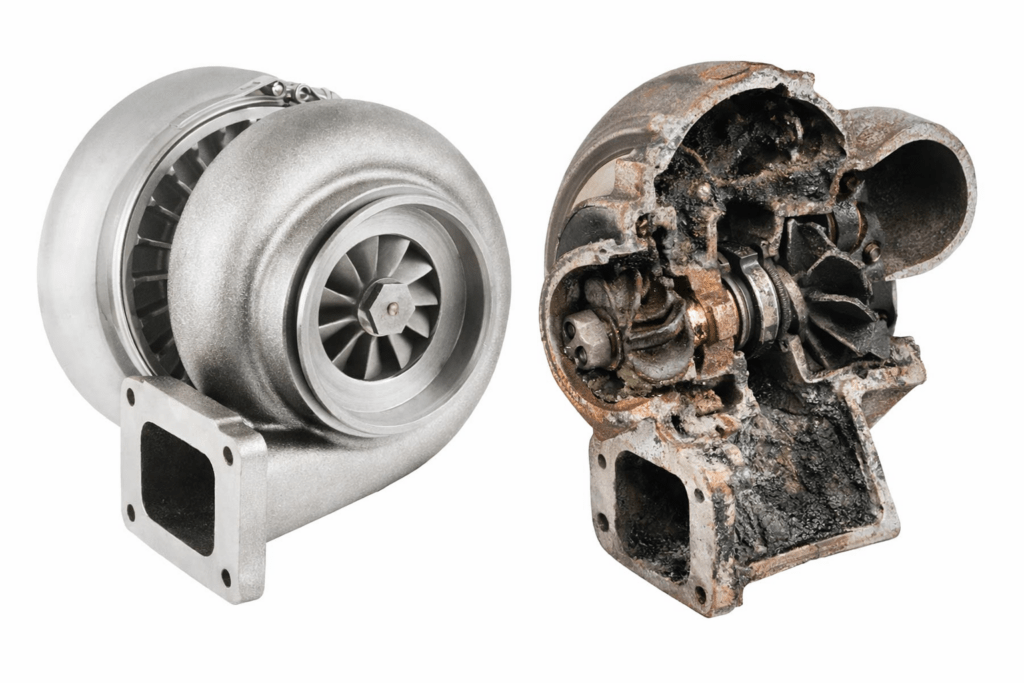
The turbocharger is one of the highest-value power-producing components on many marine diesel engines. A failing turbo can dramatically reduce boost, airflow, and horsepower. When that happens, the engine may smoke black, struggle to accelerate, and feel severely underpowered.
Typical turbo-related causes include worn bearings, damaged compressor or turbine blades, carbon buildup, corrosion, boost leaks, and poor exhaust energy reaching the turbo. The turbo comparison image above represents one of the most common real-world causes of power loss seen on marine diesels.
Related pages include the Turbo System Diagnosis Center and Marine Diesel Turbo Failure.
4. Restricted Air Intake
If the engine cannot breathe, it cannot make full power. Dirty air filters, blocked intake piping, collapsed intake hoses, and contaminated air boxes all reduce available oxygen. Less oxygen means weaker combustion, lower power, and often black smoke because the fuel is no longer being burned cleanly.
This is one of the reasons black smoke and power loss so often appear together. The engine is demanding more power, fuel is being delivered, but there is not enough usable air to burn it efficiently.
5. Exhaust Restriction
A restricted mixing elbow or exhaust path creates backpressure, and backpressure kills performance. Once exhaust gases cannot leave efficiently, the engine loses breathing ability and power drops. Owners often notice the engine feeling loaded, smoky, and unwilling to gain speed. Related reading: Mixing Elbow / Exhaust Restriction Diagnosis.
6. Cooling System Inefficiency
Engines that are running hot or partially overheating may lose performance under load even before a full overheat alarm sounds. A marginal cooling system affects combustion efficiency, air density, turbo operation, and overall reliability. That is why power loss and temperature issues often appear together.
Related pages include Cooling System Diagnosis Center and Boat Engine Overheating.
7. Propeller and Load Issues
Not all power loss starts inside the engine. A fouled propeller, damaged prop, incorrect prop pitch, overloaded vessel, or hull growth can all make a healthy engine feel weak. In those cases the engine is still producing power, but the boat is asking for too much from it. This is one of the biggest reasons power loss diagnosis must always include load and propulsion, not just engine-side components.
Step-by-Step Marine Diesel Power Loss Diagnosis
Step 1: Confirm the Exact Power Loss Pattern
Does the engine lose power only under load, only at high RPM, or throughout the full throttle range? Does the problem come with black smoke, heat, surging, or shutdown behavior? Pattern recognition helps narrow the system quickly.
Step 2: Start With Fuel Delivery
Because fuel problems are the most common, this is where diagnosis should begin. Check filter restriction, fuel condition, pickup flow, lift pump performance, and hose integrity. Many major power-loss complaints end up being simple fuel starvation problems.
Step 3: Check for Air Intrusion
Inspect the suction side carefully. Loose clamps, worn seals, cracked hoses, or small leaks can destabilize delivery and make performance inconsistent under load.
Step 4: Evaluate Turbo and Air Side Performance
Inspect boost behavior, intake cleanliness, turbo condition, and any sign of airflow restriction. Low boost and weak air supply are major causes of black smoke and poor power.
Step 5: Inspect Exhaust Restriction
Do not overlook mixing elbows and exhaust backpressure. A restricted exhaust path makes an engine feel loaded and weak even when fuel delivery is adequate.
Step 6: Check Cooling Behavior Under Load
If the engine is running hotter than normal or trending upward in temperature, cooling inefficiency may be part of the reason the engine feels weak.
Step 7: Rule Out Propeller and Vessel Load Problems
Check the propeller, bottom, and vessel loading. A fouled bottom or overpitched prop can easily rob a boat of speed and acceleration even if the engine itself is in good condition.
Why Power Loss Should Never Be Ignored
Power loss is more than a comfort issue. It often means the engine is running inefficiently, being overloaded, or operating with incomplete combustion. That leads to:
- Higher fuel consumption
- Carbon buildup in turbo and exhaust
- More smoke under load
- Reduced engine life
- Reduced offshore safety margin
For offshore boaters and long-range cruisers, a loss-of-power symptom is one of the most important early warnings you can get. Diagnosing it early is far less expensive than dealing with a turbo failure, overheating event, or shutdown later.
Preventing Marine Diesel Power Loss
Routine maintenance matters even more in saltwater boating environments like Ventura and Channel Islands Harbor. Power loss problems often build slowly from smaller service issues that were left unresolved.
- Replace fuel filters regularly
- Watch for contaminated fuel and water intrusion
- Inspect turbocharger condition before performance drops badly
- Keep intake and exhaust systems clean
- Monitor cooling system performance under load
- Inspect propeller condition and hull cleanliness often
Authority references include BoatUS technical engine resources and Yachting Magazine marine diesel maintenance guidance.
Additional Diagnostic Resources
- Master Marine Diesel Troubleshooting Guide
- Fuel System Diagnosis Center
- Fuel Contamination Issues
- Turbo System Diagnosis Center
- Boat Engine Overheating
- Boat Engine Won’t Reach Full RPM
- Black Smoke Diagnosis
- Contact 805 Marine Diesel Mechanic
When to Call a Professional Marine Diesel Mechanic
If your boat continues losing power, cannot reach normal speed, struggles under load, or smokes heavily under throttle, professional diagnostics can usually isolate the cause quickly. The goal is to determine whether the engine is being limited by fuel, turbo, cooling, exhaust, or load before more damage develops.
805 Marine Diesel Mechanic provides mobile marine diesel troubleshooting and performance diagnosis throughout Ventura, Oxnard, Santa Barbara, and Channel Islands Harbor. With over 30 years of experience, the focus is always on the root cause rather than random part replacement.
Power Loss FAQ
1. What causes diesel engine power loss?
The most common causes are fuel restriction, turbocharger problems, airflow issues, exhaust restriction, cooling inefficiency, and excessive vessel load. Start with the Master Marine Diesel Troubleshooting Guide for the full path.
2. Can turbo failure cause power loss?
Yes. A failing turbo can dramatically reduce boost and airflow, which causes major performance loss under load. See the Turbo System Diagnosis Center.
3. Can clogged fuel filters reduce power?
Yes. Clogged fuel filters are one of the most common reasons marine diesel engines lose power because they restrict fuel volume under load.
4. Why won’t my engine reach normal speed?
That usually means the engine is either not making full power or the boat is overloaded. Fuel restriction, turbo issues, propeller drag, and bottom growth are common causes.
5. Can air in the fuel system cause power loss?
Yes. Air intrusion disrupts injection stability and can make performance weak or inconsistent under throttle. Related reading: Fuel Restriction vs Air Restriction Diagnosis.
6. Can overheating cause power loss?
Yes. Engines often lose efficiency and output when cooling performance drops. Related reading: Boat Engine Overheating.
7. Is power loss dangerous offshore?
Yes. Reduced power offshore affects speed, maneuverability, and safety margin, especially in rough conditions or changing weather.
8. When should I call a mechanic?
If power loss persists after basic checks, if the engine smokes heavily, or if the boat cannot maintain safe operating performance, it is time for professional diagnosis through the contact page.
9. Can black smoke happen with power loss?
Yes. Black smoke often appears when the engine is being overfueled relative to available air, or when turbo boost and airflow are inadequate. See Black Smoke Diagnosis.
10. Can contaminated fuel make a boat feel bogged down?
Absolutely. Contaminated fuel can reduce flow, harm injector performance, and cause weak combustion. Related page: Fuel Contamination Issues.
11. Can exhaust restriction cause major power loss?
Yes. A restricted mixing elbow or exhaust path can create backpressure and reduce power significantly, especially under load.
12. Can a propeller problem feel like engine power loss?
Yes. A damaged, fouled, or overpitched propeller can make a healthy engine feel weak because the boat is demanding too much from it.
13. Why does my boat accelerate slowly but idle fine?
Because many restrictions do not show up at idle. Fuel flow demand, boost demand, exhaust flow, and propeller load matter much more under throttle.
14. Can cooling problems reduce power before full overheating?
Yes. Marginal cooling systems can reduce performance under load even before the engine reaches a full alarm condition.
15. Should I replace parts one at a time until the problem goes away?
No. That approach gets expensive fast. Proper marine diesel diagnosis should isolate whether the cause is fuel, air, turbo, exhaust, cooling, or load-related first.
16. Can power loss and low RPM be the same problem?
Yes. In many real cases they are different ways of describing the same underlying issue. See Boat Engine Won’t Reach Full RPM.
17. Does power loss affect fuel economy?
Yes. Engines that are restricted, overloaded, or smoking under load usually burn more fuel for less usable output.
18. Can a turbocharger look fine from the outside and still be bad?
Yes. Many turbo failures are internal and are not obvious until boost, shaft condition, or internal damage is checked more closely.
19. Can power loss lead to shutdown problems later?
It can. The same issues causing power loss, such as overheating, fuel starvation, or severe restriction, can eventually contribute to shutdown complaints. Related reading: Engine Shutting Down.
20. Where should I start if I want the full symptom path?
Start with the Master Marine Diesel Troubleshooting Guide, then move through the linked fuel, turbo, cooling, smoke, and RPM pages from there.
12 Responses