
Diagnose Detroit Diesel turbocharger and air system failures using a proven system-based diagnostic process built from over 30 years of real-world marine diesel experience in Ventura, Oxnard, Channel Islands Harbor, and Santa Barbara.
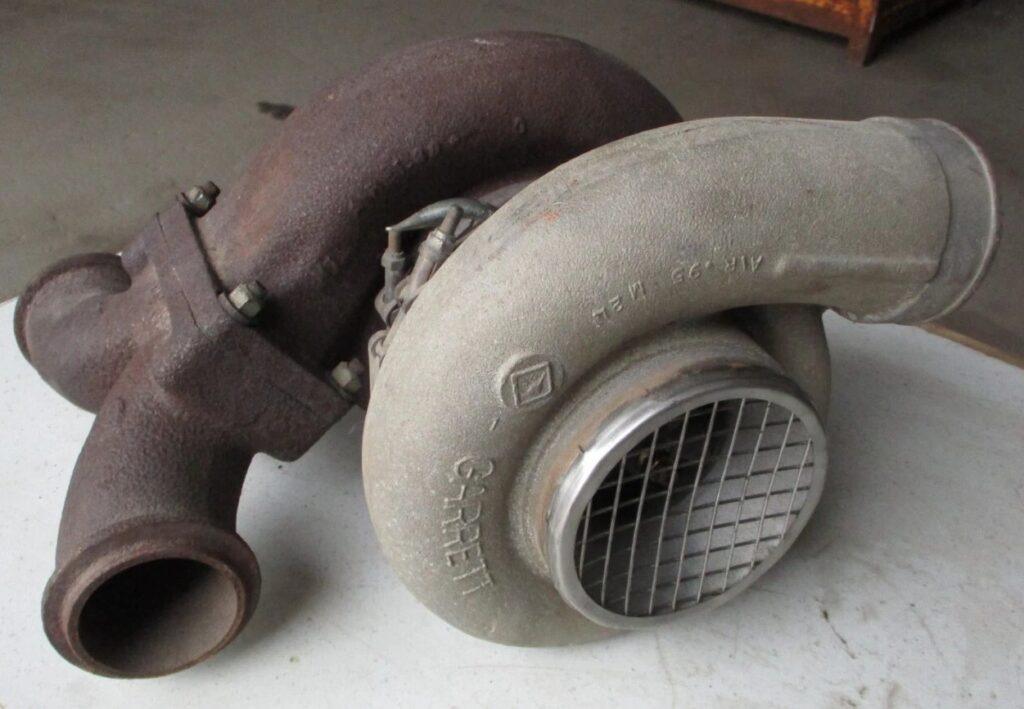
Detroit Diesel Turbocharger & Air System Failure: Marine Diesel Diagnosis Authority Guide
Schedule Turbo System Diagnosis
Turbocharger and air system failures are one of the most common causes of performance loss in Detroit Diesel marine engines. Engines such as the 6-71, 8V71, 6V92, and 8V92 rely heavily on unrestricted airflow and proper turbocharger boost to maintain efficient combustion under load.
When airflow becomes restricted or turbo performance drops, the engine cannot maintain the correct air-to-fuel ratio. This results in black smoke, reduced RPM, overheating, and sluggish throttle response. These symptoms are commonly tied to issues found in the low power loss of RPM diagnosis center, where airflow, load, and fuel balance are analyzed together.
The most reliable way to diagnose turbo system problems is by following a structured process like the master marine diesel troubleshooting guide.
How Detroit Diesel Turbo Systems Work
Detroit Diesel engines rely heavily on airflow efficiency. The turbocharger uses exhaust gas energy to spin a turbine that compresses incoming air. This increases oxygen availability and allows the engine to burn more fuel efficiently.
System interaction includes:
- Air intake
- Aftercooler
- Fuel system
- Exhaust flow
Fuel crossover issues are often identified in the fuel system diagnosis center.
Common Turbo & Air System Symptoms
- Loss of power
- Low RPM
- Black smoke
- High exhaust temperature
- Slow throttle
Air Intake Restrictions
Air restriction is the #1 cause of turbo performance loss.
- Clogged filters
- Collapsed hoses
- Blocked silencers
Combustion crossover: smoke & combustion diagnosis center
Need Help Diagnosing? Contact 805 Marine Diesel Mechanic
Turbocharger Failures
- Bearing wear
- Blade damage
- Seal failure
Aftercooler Problems
Cooling crossover: cooling system diagnosis center
Exhaust Restrictions
- Collapsed hoses
- Carbon buildup
Professional Diagnosis
- Boost test
- Airflow test
- Turbo inspection
Advanced testing: diagnostics center
Prevention
- Air filter service
- Aftercooler cleaning
- Monitor smoke
Service Area
Ventura • Oxnard • Channel Islands Harbor • Santa Barbara
FAQ
1. What are signs of turbo failure?
Loss of power and smoke. Start with the troubleshooting guide.
2. Can airflow restriction cause power loss?
Yes, see the low power diagnosis center.
3. Can fuel issues mimic turbo failure?
Yes, refer to the fuel system diagnosis center.
4. Can overheating affect turbo?
Yes, see cooling system diagnosis.
5. What causes black smoke?
Airflow restriction or overfueling.
6. Can aftercooler restriction reduce power?
Yes, reduces air density.
7. Can turbo seals leak oil?
Yes, causing blue smoke.
8. Can intake blockage damage engine?
Yes, long-term damage possible.
9. Why is RPM low?
Airflow or fuel imbalance.
10. Can exhaust restriction affect turbo?
Yes, reduces boost.
11. Can dirty filters cause smoke?
Yes.
12. Can turbo noise indicate failure?
Yes.
13. What is boost pressure?
Air pressure created by turbo.
14. Can fuel contamination affect turbo?
Indirectly yes.
15. Should turbo be inspected regularly?
Yes.
16. Can overheating damage turbo?
Yes.
17. Can airflow affect combustion?
Yes, directly.
18. Can engine run without turbo?
Not efficiently.
19. Can boost leaks reduce power?
Yes.
20. When call professional?
If symptoms persist, contact 805 Marine Diesel Mechanic.
One Response