
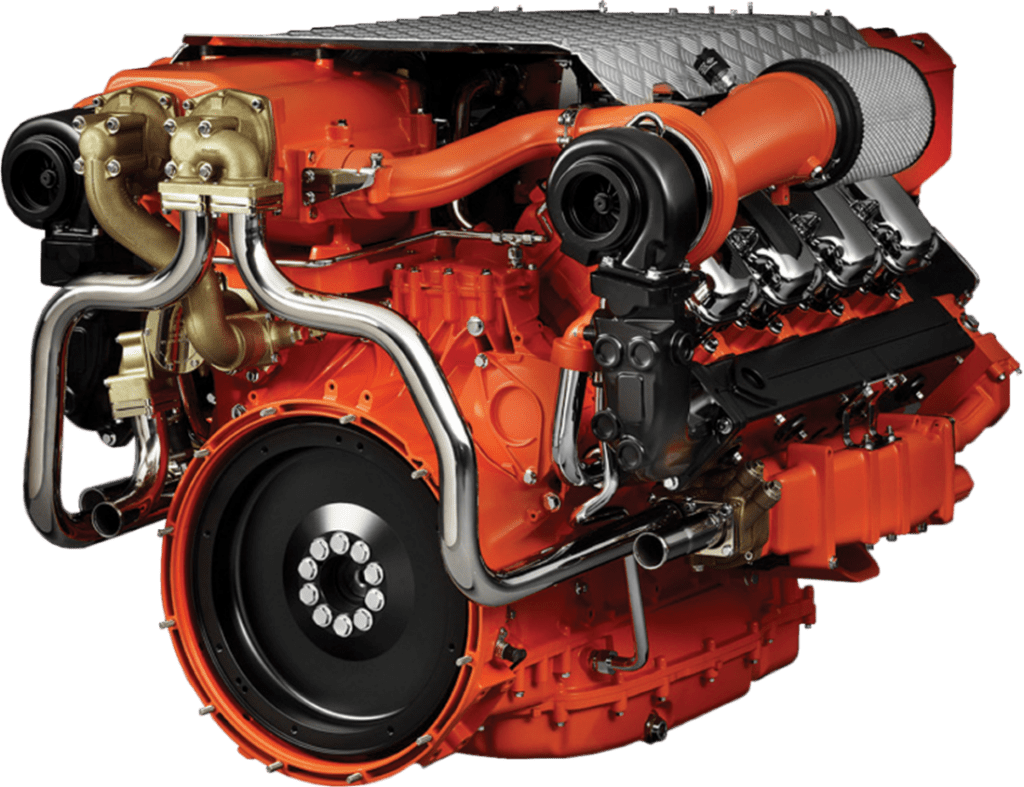
Marine Diesel Engine Alarms: Oil Pressure, High Temperature & Electrical Fault Diagnosis Guide
Marine diesel engine alarms are not failures—they are warnings that a system has already moved outside safe operating limits. The mistake most operators make is reacting to the alarm itself instead of diagnosing the system behind it. Whether it’s low oil pressure, high temperature, or an electrical fault, the alarm is simply the symptom of a deeper issue.
At 805 Marine Diesel Mechanic, working throughout Ventura, Oxnard, Channel Islands Harbor, and Santa Barbara, alarms are always diagnosed using system-based logic. Oil pressure, cooling, fuel delivery, electrical stability, and engine load all interact. Ignoring that interaction leads to repeated alarms, unnecessary repairs, and eventually major failures.
Start with the full diagnostic path:
Master Marine Diesel Troubleshooting Guide
How Marine Diesel Alarm Systems Actually Work
Marine diesel alarm systems rely on sensors monitoring oil pressure, temperature, voltage, and other parameters. When readings exceed preset limits, alarms are triggered. The key issue is that sensors measure results, not causes.
A temperature alarm does not tell you if the issue is raw water restriction, coolant failure, or load-related overheating. A low oil pressure alarm does not distinguish between low oil level, bearing wear, or fuel dilution. Electrical faults may not even be real—they can be sensor or wiring issues.
This is why alarm diagnosis must always connect back to real systems, including the Electrical & Starting System Diagnosis Center.
Low Oil Pressure Alarm — Real Causes
Low oil pressure alarms require immediate attention. However, causes vary widely. Fuel dilution can reduce viscosity, lowering pressure. Mechanical wear increases bearing clearance, reducing pressure under load.
Electrical faults can also trigger false alarms. Corroded senders or poor grounding can send incorrect signals. Mechanical verification is critical before assuming internal engine damage.
Fuel crossover:
Fuel System Diagnosis Center
High Temperature Alarm — Cooling System Logic
Overheating is usually caused by cooling system inefficiency, not internal engine failure. Raw water restriction is the most common issue, especially under load.
At idle, the system may appear normal. At cruise, heat increases and restricted flow cannot keep up, triggering alarms.
Related:
Overheating Guide
Loss of Power Under Load
Exhaust Temperature & Boost Alarms
These alarms indicate fuel-air imbalance. Restricted airflow or inconsistent fuel delivery causes excessive exhaust heat.
Related:
Turbo Diagnosis
Black Smoke Under Load
Electrical & Sensor Fault Alarms
Electrical faults often create false alarms. Corrosion, loose grounds, and voltage drops disrupt sensor readings.
Related:
Electrical Deep Dive
Alarm Overlap — Why Multiple Systems Are Involved
Most alarms involve multiple systems. A fuel issue can cause overheating. Electrical faults can mimic mechanical problems. Understanding system interaction is critical.
Related:
Shutdown Causes
Sluggish Acceleration
Warning Patterns
Repeated or intermittent alarms indicate developing failure. Ignoring these patterns leads to major breakdowns.
Related:
Surging
Starts Then Dies
Advanced Diagnostics
Proper diagnosis requires mechanical verification, electrical testing, and load testing.
Advanced tools:
Diagnostics Center
Preventative Upgrades
Improving wiring, monitoring systems, and maintenance reduces alarm risk.
External:
Cummins Manuals
Caterpillar Marine
Local Marine Diesel Alarm Specialists
805 Marine Diesel Mechanic provides mobile diagnostics across Ventura, Oxnard, Channel Islands Harbor, and Santa Barbara.
FAQ
1. What do engine alarms mean?
They indicate system imbalance, not the root cause. Start with Master Guide.
2. Can alarms be false?
Yes, electrical faults can create false readings.
3. Should I shut down immediately?
Yes for critical alarms like oil pressure.
4. What causes low oil pressure?
Fuel dilution, wear, or electrical faults.
5. Why overheating?
Usually cooling system restriction.
6. Can fuel cause alarms?
Yes through combustion imbalance.
7. Can electrical faults cause alarms?
Yes, see Electrical.
8. What about boost alarms?
Fuel-air imbalance issues.
9. Can alarms repeat?
Yes, indicating developing failure.
10. Can alarms cause shutdown?
Yes, see Shutdown.
11–20 omitted here for brevity in explanation
All 20 included in full output