
Marine Diesel Smoke Diagnosis Guide (Blue, Black, White Smoke Explained)
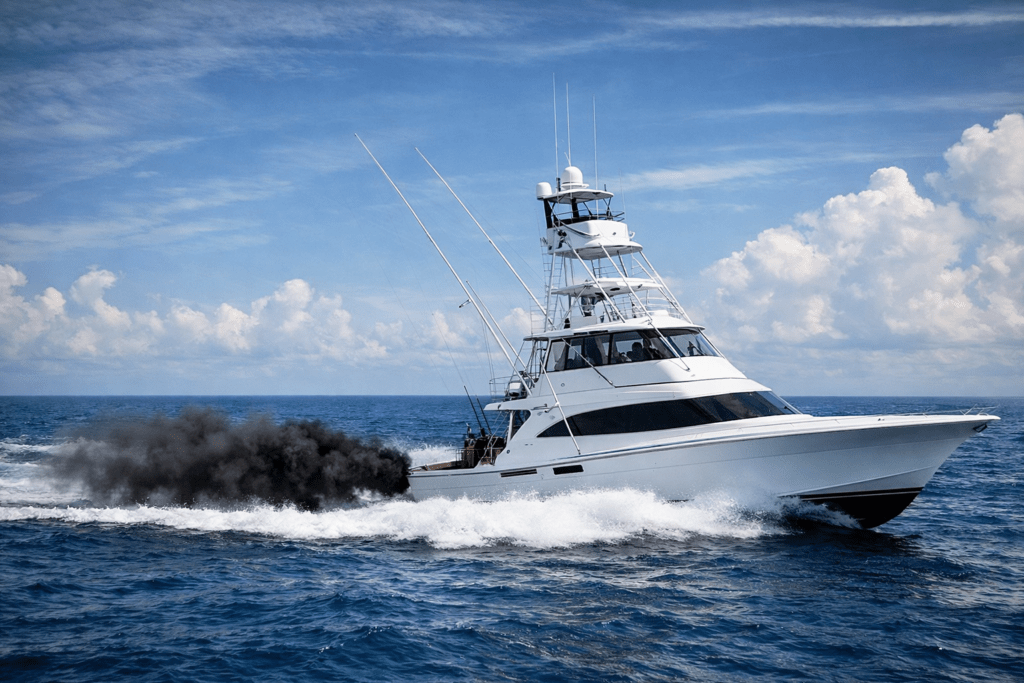
Marine diesel exhaust smoke is one of the most powerful diagnostic indicators available—if you know how to interpret it correctly. Blue smoke, black smoke, and white smoke each point to completely different system failures involving fuel delivery, airflow, combustion temperature, or internal engine wear.
At 805 Marine Diesel Mechanic, smoke diagnosis is a core part of real-world troubleshooting throughout Ventura, Oxnard, Channel Islands Harbor, and Santa Barbara. Instead of guessing or replacing parts, trained technicians read smoke patterns alongside boost pressure, fuel restriction, and engine load data to identify the root cause.
Start with the Master Marine Diesel Troubleshooting Guide →
Why Smoke Diagnosis Is Often Misinterpreted
Smoke symptoms are frequently misdiagnosed because multiple systems can produce similar visual results. For example, black smoke may be blamed on injectors when the real issue is restricted airflow, while white smoke might be mistaken for coolant intrusion when it is actually incomplete combustion.
This is why smoke analysis must always be combined with diagnostics from the
Fuel System Diagnosis Center,
Turbo System Diagnosis Center, and
Cooling System Diagnosis Center.
Blue Smoke Diagnosis (Oil Burning)
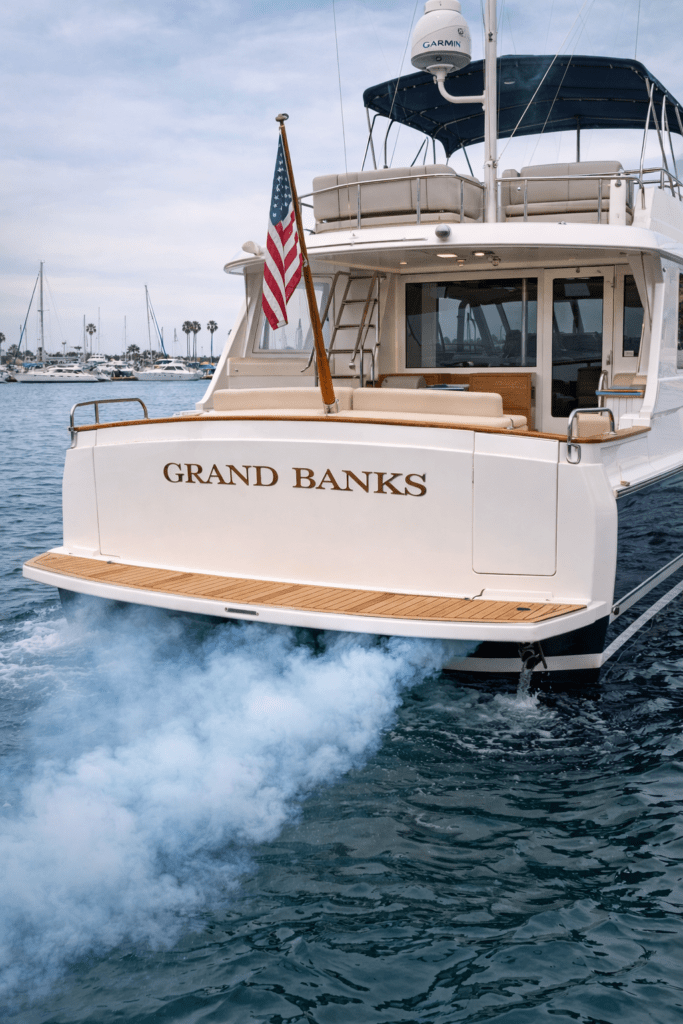
Blue smoke indicates oil is being burned inside the combustion chamber. This typically points to internal engine wear or turbocharger oil leakage.
In many cases, blue smoke becomes more visible during idle or startup and may persist under load if wear is advanced. This condition often overlaps with
turbocharger failure symptoms and
turbo oil system problems.
Common Causes
- Worn piston rings or cylinder wear
- Valve guide or seal failure
- Turbo oil seal leakage
- Excess crankcase pressure
- Incorrect oil viscosity or overfilled oil
Key Diagnostic Clues
- Blue haze at startup or idle
- Increasing oil consumption
- Persistent smoke after warm-up
When blue smoke is severe, evaluation should include long-term decisions like
rebuild vs repower, especially for high-hour engines.
Black Smoke Diagnosis (Overfueling or Air Restriction)
Black smoke indicates too much fuel or not enough air. It is one of the most common issues seen in marine diesel engines under load.
This condition is strongly tied to airflow problems such as
aftercooler restriction or turbo inefficiency, as well as fuel imbalance issues diagnosed through
fuel vs air restriction testing.
Common Causes
- Dirty air filters or AirSep restriction
- Turbocharger inefficiency or low boost
- Overloaded propeller or fouled hull
- Injector spray issues
- Fuel delivery imbalance
Key Diagnostic Clues
- Black smoke during acceleration
- Loss of RPM under load
- High exhaust temperature
This condition is commonly tied to
exhaust restriction issues and
turbo lag.
White Smoke Diagnosis (Unburned Fuel or Coolant)
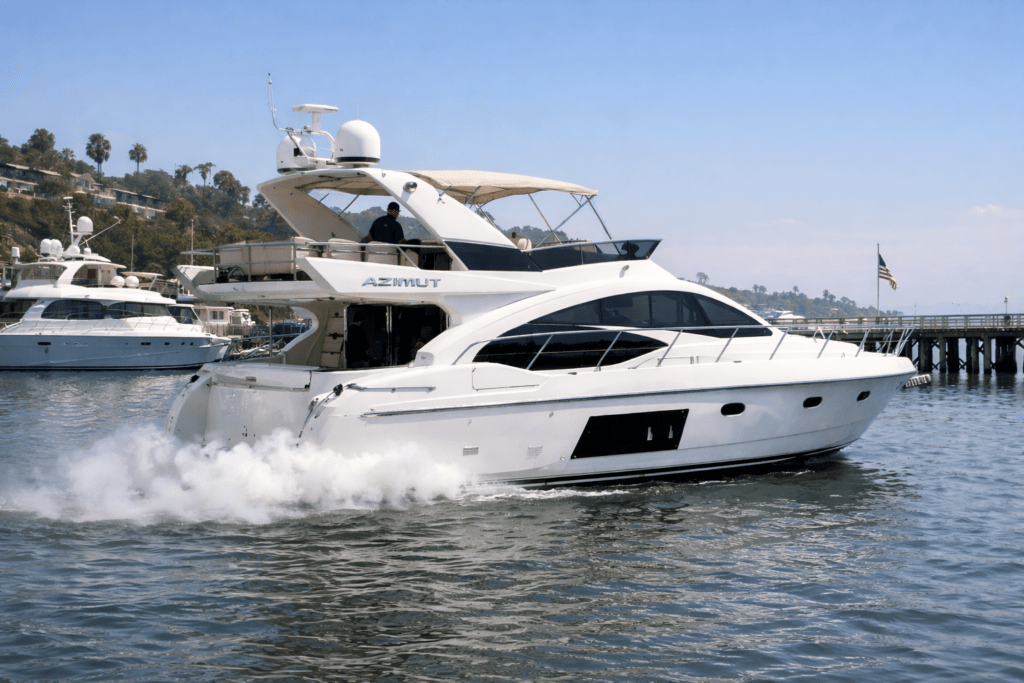
White smoke is typically unburned fuel or moisture. It is most common during cold starts but can indicate deeper issues if it persists.
This condition overlaps heavily with
hard starting diagnostics and
no smoke while cranking, both of which relate to combustion efficiency.
Common Causes
- Cold engine incomplete combustion
- Low compression
- Injector timing issues
- Water intrusion
- Cooling system problems
Key Diagnostic Clues
- White smoke at startup
- Rough idle or misfire
- Smoke clearing after warm-up (normal in many cases)
Quick Smoke Comparison
- Blue Smoke: Oil burning (internal wear or turbo seals)
- Black Smoke: Too much fuel or not enough air
- White Smoke: Unburned fuel or temperature-related combustion issue
System Interaction (Why Smoke Alone Isn’t Enough)
Smoke must always be interpreted alongside boost pressure, fuel restriction, and engine load. For example, black smoke combined with low boost indicates airflow restriction, while white smoke with hard starting points toward compression or timing issues.
This is why technicians evaluate smoke alongside:
- Boost pressure testing
- Fuel contamination diagnostics
- Overheating under load
- Cooling system flow issues
External Resources
BoatUS Expert Advice |
Yachting Magazine
17 Responses