
Marine Diesel Exhaust Backpressure Problems (Turbo Performance Diagnosis Guide)
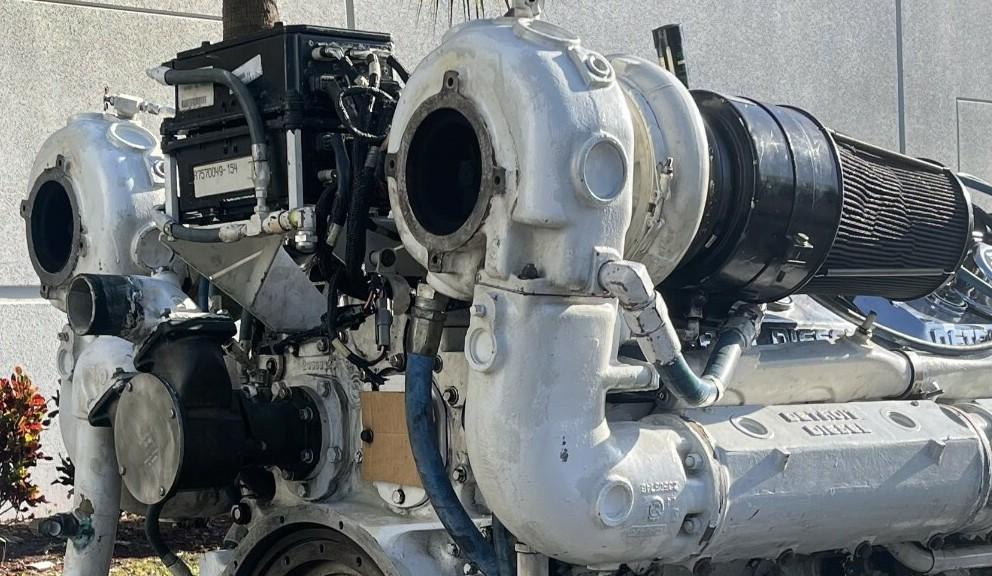
Marine diesel exhaust system inspection diagnosing backpressure and turbo performance issues in Ventura Channel Islands Harbor
Exhaust backpressure is one of the most overlooked causes of turbocharger performance problems in marine diesel engines. When exhaust flow is restricted, the turbocharger cannot spin efficiently, which reduces boost pressure, limits engine power, and increases exhaust temperature.
At 805 Marine Diesel Mechanic, exhaust restriction issues are frequently misdiagnosed as turbo failure, fuel problems, or cooling system faults throughout Ventura, Oxnard, Channel Islands Harbor, and Santa Barbara. In reality, many engines suffering from low power and smoke are dealing with restricted exhaust flow—not failed components.
Start with the Master Marine Diesel Troubleshooting Guide →
What Is Exhaust Backpressure
Exhaust backpressure is the resistance exhaust gases encounter as they exit the engine. Turbochargers depend on fast-moving exhaust gas flow to spin the turbine. When restriction occurs, velocity drops and the turbo loses efficiency.
This directly impacts systems covered in the
Turbo System Diagnosis Center,
Fuel System Diagnosis Center, and
Smoke & Combustion Diagnosis Center.
Common Symptoms of Exhaust Restriction
- Loss of RPM
- Not Reaching Full RPM
- Power Loss Under Load
- Black Smoke Under Load
- High Exhaust Temperature
- Overheating Under Load
These symptoms are often mistaken for turbo or fuel problems, but they frequently originate in the exhaust system.
Common Causes of Exhaust Backpressure
- Clogged mixing elbows or risers
- Collapsed exhaust hoses
- Carbon buildup in exhaust manifolds
- Internal delamination of exhaust components
- Water injection system failure
Many of these issues worsen gradually and only appear under load, making them difficult to detect without proper diagnostics.
How Backpressure Affects Turbo Performance
If exhaust flow is restricted, the turbo cannot function—no matter how good it is. Reduced turbine speed leads to lower boost, poor combustion, increased smoke, and rising temperatures.
Cross-System Interaction (Why This Is Misdiagnosed)
- Cooling System Diagnosis Center
- Fuel Contamination Issues
- Computerized Diagnostics Center
- Mechanical Failure Diagnostics
Exhaust restriction creates symptoms across multiple systems, which is why it is often misdiagnosed. A proper diagnosis always compares airflow, fuel delivery, cooling performance, and load conditions together.
Advanced Diagnostic Process
- Measure boost pressure under load
- Check EGT readings
- Inspect mixing elbow internally
- Check exhaust hose integrity
- Verify water injection system
- Evaluate engine load and propeller match
Related Diagnostic Guides
- Surging at Cruise RPM
- Seawater Pump Failure
- Fuel vs Air Restriction
- Smoke Diagnosis Guide
- Engine Overload
Local Marine Diesel Exhaust Diagnostics
805 Marine Diesel Mechanic provides full exhaust system inspections and turbo performance diagnostics throughout Ventura, Oxnard, Channel Islands Harbor, and Santa Barbara. With over 30 years of experience, we identify restriction points quickly and prevent unnecessary component replacement.
19 Responses