
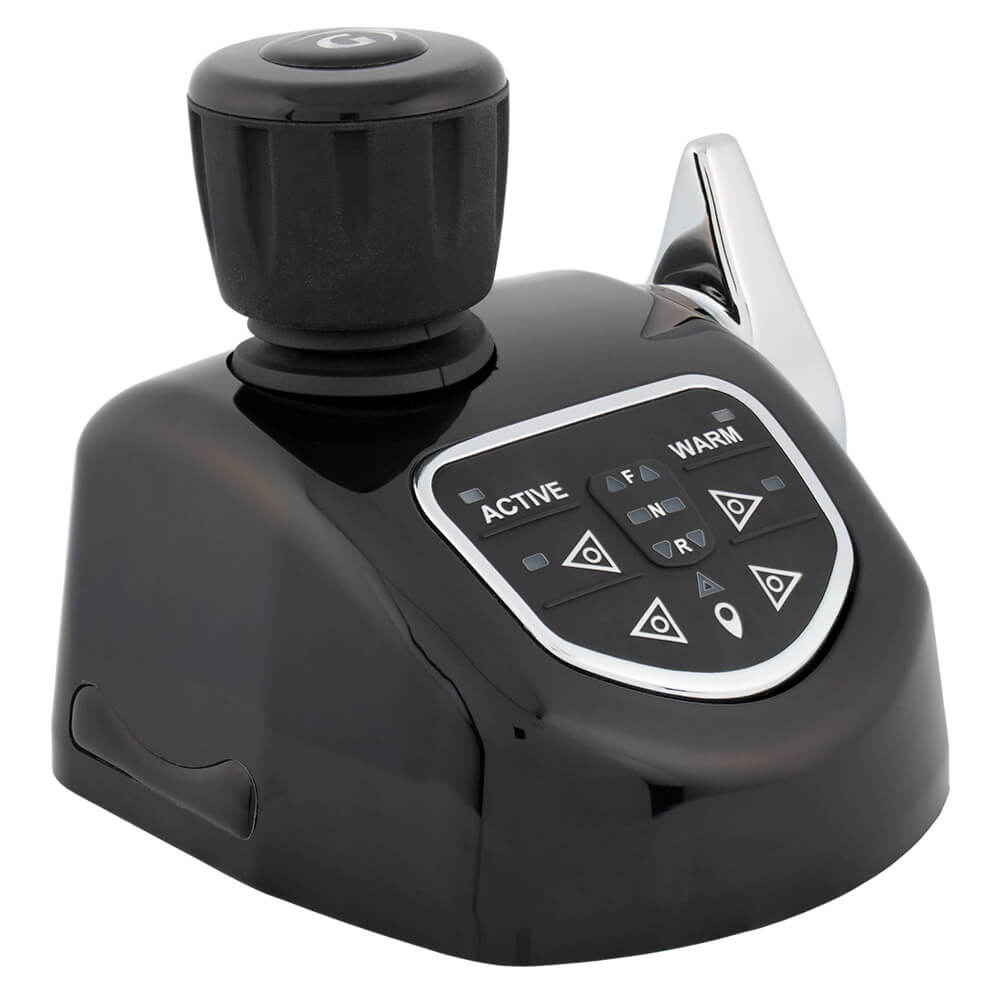
Glendinning joystick control system for precision docking and low-speed maneuvering on diesel sailboats.
Glendinning electronic propulsion control systems improve throttle response, shift accuracy, joystick maneuvering, and multi-station command on modern diesel vessels. Before assuming a control complaint is caused by the control head, actuator, transmission, or engine itself, start with the Master Marine Diesel Troubleshooting Guide to separate electronic control faults from fuel delivery, drivetrain, transmission, electrical, and engine-performance problems.
At 805 Marine Diesel Mechanic, propulsion control issues are often diagnosed alongside symptoms such as clunking when shifting into gear, shaft spinning without proper movement, low power under load, and surging at cruise RPM. Electronic controls are only one part of the propulsion chain, so the entire engine, transmission, fuel, and control system must be evaluated together.
What Glendinning Electronic Propulsion Controls Do
Glendinning systems convert helm commands into smooth, precise throttle and shift movement. Depending on the vessel, they may control electronic engines, mechanical engines through actuators, transmissions, thrusters, synchronizers, or joystick docking systems.
That makes them especially valuable on diesel yachts, trawlers, sportfishers, and auxiliary sailboats that need repeatable low-speed control in tight marinas. When a control system is not calibrated correctly, the symptom may look like failure to reach full RPM, power loss under load, or even engine overload.
Why Glendinning Controls Matter in Ventura, Oxnard, and Santa Barbara
Boaters operating in Ventura Harbor, Channel Islands Harbor, Oxnard, and Santa Barbara often deal with crosswinds, tight fairways, heavy currents, and close-quarters docking. Smooth throttle response and predictable shifting become more than comfort features—they become safety systems.
- Precise low-speed maneuvering in tight slips
- Smoother throttle and shift transitions
- Reduced drivetrain shock during docking
- Better twin-engine synchronization offshore
- Cleaner control response from multiple helm stations
When control response is poor, technicians must determine whether the issue is electronic command, actuator travel, transmission engagement, or an engine-side problem such as marine diesel fuel system problems. The required orphan link for this post fits naturally here because fuel delivery faults can mimic throttle-control hesitation or delayed acceleration.
1. Glendinning ProPilot™ Joystick Control System
The Glendinning ProPilot joystick system provides coordinated vessel movement by controlling engines, transmissions, and thrusters through a single joystick. This is especially useful for docking in wind, moving diagonally, holding position briefly, or easing into slips where traditional twin-lever control requires constant correction.
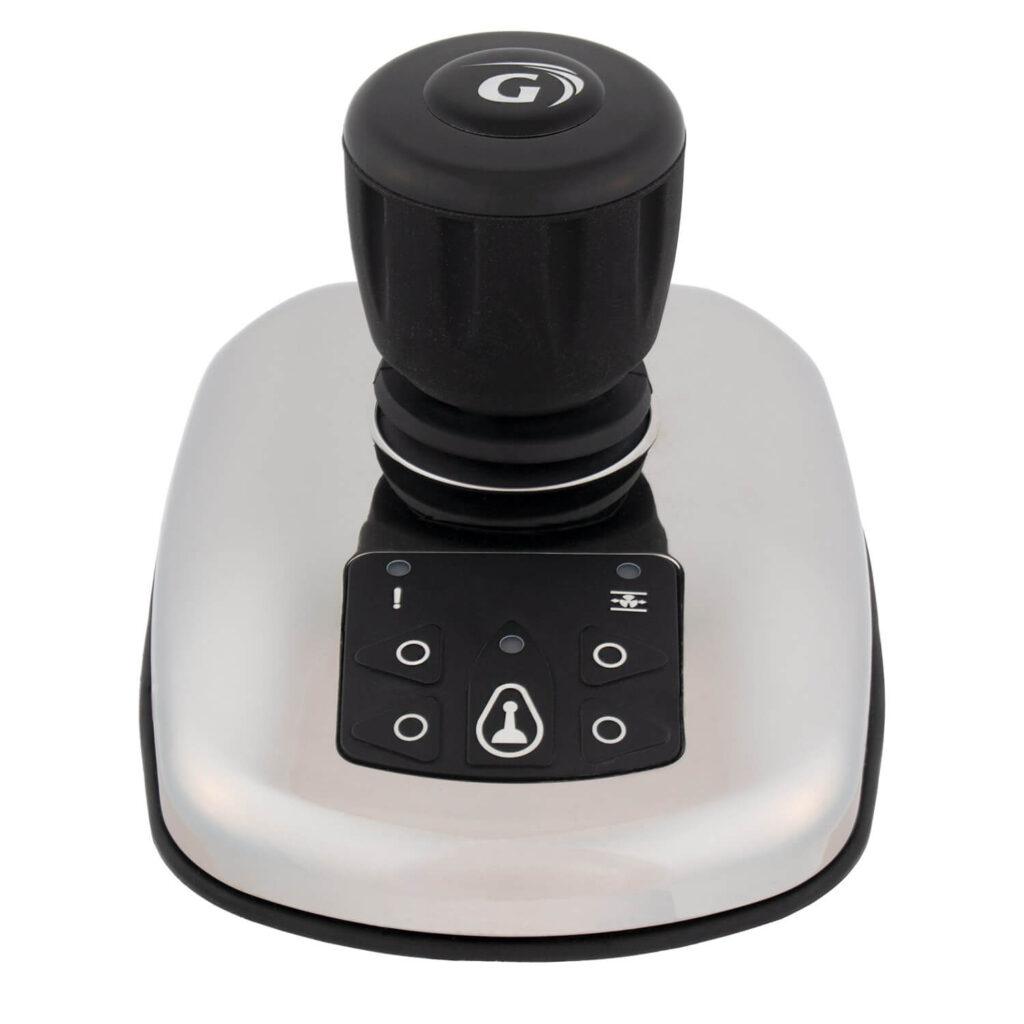
Joystick systems must be tuned correctly so thrust output matches vessel response. If joystick movement feels delayed, uneven, or unpredictable, technicians should inspect not only the control system but also thrusters, transmission response, engine RPM command, and vessel load. Similar diagnostic thinking applies when separating control faults from turbo lag, boost response problems, and fuel vs air restriction.
- 360-degree low-speed vessel control
- Coordinated thrust-vectoring logic
- Improved docking confidence
- Useful for crosswind and tight-slip conditions
2. Glendinning EEC-3 Electronic Engine Control System
The Glendinning EEC-3 processor is a digital control system used to manage multi-station throttle and shift commands. It translates helm input into proportional control output and helps maintain consistent response between stations.
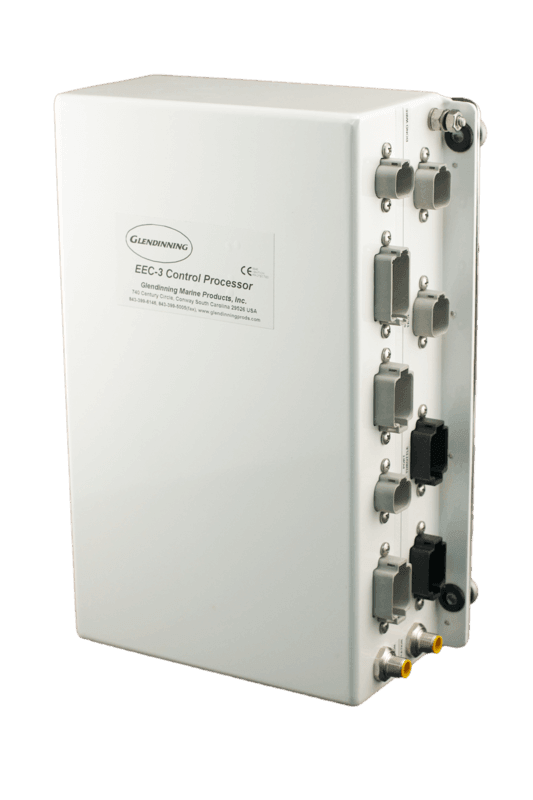
Glendinning EEC-3 electronic engine control processor for digital throttle and shift command management.
EEC-3 problems may show up as inconsistent station transfer, delayed shift command, uneven throttle travel, or failure to enter the correct mode. These symptoms can be confused with electrical system problems, computerized diagnostic faults, or mechanical linkage issues.
During diagnosis, the technician should verify power supply, processor status, harness condition, station command, actuator travel, and engine response. This is the same structured approach used in crank-no-start diagnosis, no-smoke fuel-delivery diagnosis, and no-start after filter service.
3. Glendinning Genesys™ Digital Control System
The Glendinning Genesys system provides a refined helm experience with smooth lever feel, mode indication, and clean styling. For twin-engine sportfishers, cruisers, and trawlers, Genesys controls improve command feel and reduce the fatigue of managing throttle and shift manually over long trips.
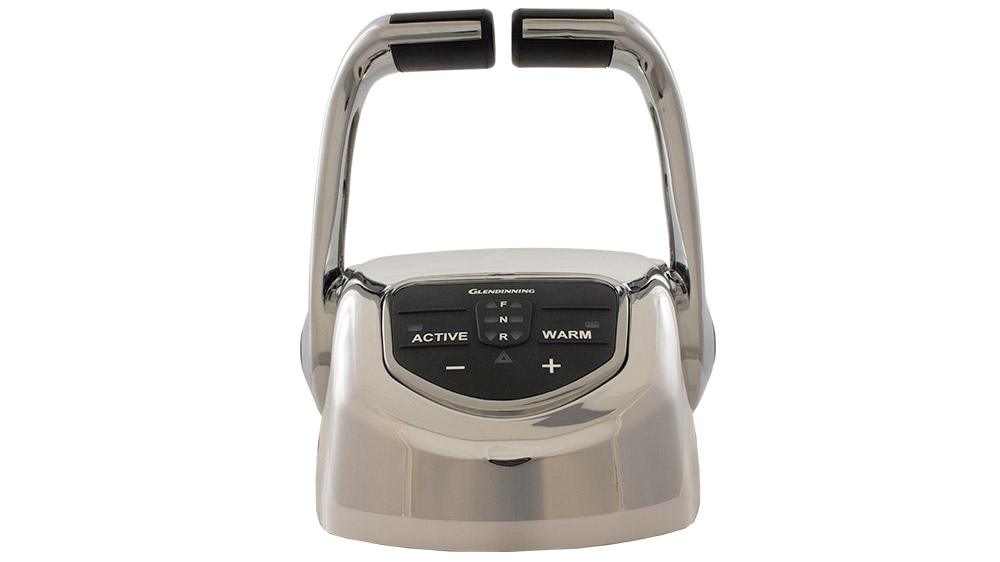
Glendinning Genesys chrome dual-lever electronic propulsion control system for twin diesel vessels.
Genesys systems are often chosen during refits where owners want modern helm response without replacing the entire engine package. During installation, technicians should verify throttle calibration, shift timing, station priority, warm mode, active mode, and sync mode so the system works predictably.
If the vessel still feels sluggish after control work, compare control response with engine systems such as marine diesel won’t reach full RPM, loss of power under load, and smoke diagnosis.
4. Glendinning Joystick Control System for Sailboats
Auxiliary diesel sailboats often have limited maneuverability in reverse and can be difficult to handle in crosswind or current. A Glendinning joystick system can dramatically improve low-speed control when docking, mooring, or backing into a slip.
Glendinning joystick propulsion control system for auxiliary diesel sailboats requiring precision low-speed handling.
Sailboat installations should be evaluated with engine room access, throttle linkage condition, shaft response, and transmission engagement in mind. If the boat hesitates when shifting or accelerating, compare control movement with fuel system priming issues, hard starting diagnosis, and Racor filter restriction before blaming the control system alone.
5. Glendinning Automatic Synchronizer
The Glendinning Automatic Synchronizer helps maintain balanced RPM between twin diesel engines. Correct synchronization reduces vibration, improves sound, lowers drivetrain stress, and can improve fuel economy on longer coastal runs.
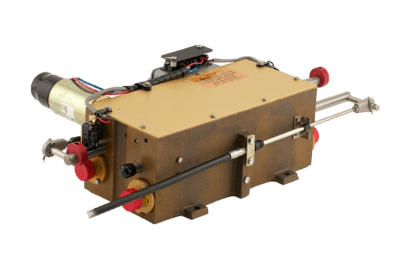
Glendinning automatic synchronizer for matching RPM on twin-engine diesel vessels.
When synchronizers are not working correctly, symptoms may feel like engine vibration, load imbalance, or mismatched throttle response. That diagnosis can overlap with excessive engine vibration, alignment problems, and vibration under load.
Common Glendinning Control Problems We Diagnose
Most Glendinning service calls fall into a few repeatable categories. The control head may not be the failed part; the issue may be in wiring, calibration, actuator movement, station transfer, or the engine-side system being controlled.
- Delayed throttle response
- Shift command not matching transmission movement
- Station transfer problems
- Joystick calibration drift
- Processor or harness faults
- Synchronizer not matching engine RPM
- Control mode confusion at the helm
If control symptoms appear together with heating, smoke, or poor performance, technicians should also inspect cooling system problems, raw water flow problems, exhaust backpressure, and aftercooler restriction.
Professional Installation and Calibration
Proper installation is just as important as the equipment. A Glendinning system must be wired, programmed, calibrated, and tested so throttle movement, shift timing, station activation, and safety logic all work together.
- Control head installation and setup
- Processor wiring and configuration
- Throttle and shift calibration
- Multi-station transfer testing
- Joystick and thruster integration
- Final sea trial verification
On older vessels, control upgrades are often performed during broader refit or restoration work. Owners deciding between repair, control upgrade, or repower should also review repower vs rebuild planning and engine beyond rebuild indicators.
External Authority Resources
Glendinning Marine Products |
ABYC Standards
Glendinning Electronic Propulsion Controls — FAQ
1. What are Glendinning electronic propulsion controls?
2. Are Glendinning systems compatible with diesel engines?
3. Can Glendinning controls be installed on older boats?
4. What is the Glendinning ProPilot system?
5. What does the Glendinning EEC-3 processor do?
6. What is the Glendinning Genesys system?
7. What does a Glendinning synchronizer do?
8. Can a control system problem feel like engine power loss?
9. Can fuel system problems mimic control issues?
10. What are signs Glendinning controls need service?
11. Do Glendinning systems require calibration?
12. Can a joystick system be added to a sailboat?
13. Can electrical faults affect Glendinning controls?
14. Can transmission problems be confused with control faults?
15. Should controls be tested during sea trial?
16. Can Glendinning controls reduce drivetrain shock?
17. How long does installation take?
18. Can Glendinning controls affect survey results?
19. When should I schedule Glendinning service?
20. What is the best diagnostic approach?
805 Marine Diesel Mechanic provides Glendinning propulsion control service, joystick troubleshooting, EEC-3 diagnostics, throttle and shift calibration, multi-station control diagnosis, and mobile marine diesel service throughout Ventura, Oxnard, Channel Islands Harbor, and Santa Barbara.
4 Responses