
Signs Your Marine Diesel Engine Is Beyond Rebuild (Expert Diagnosis Guide)
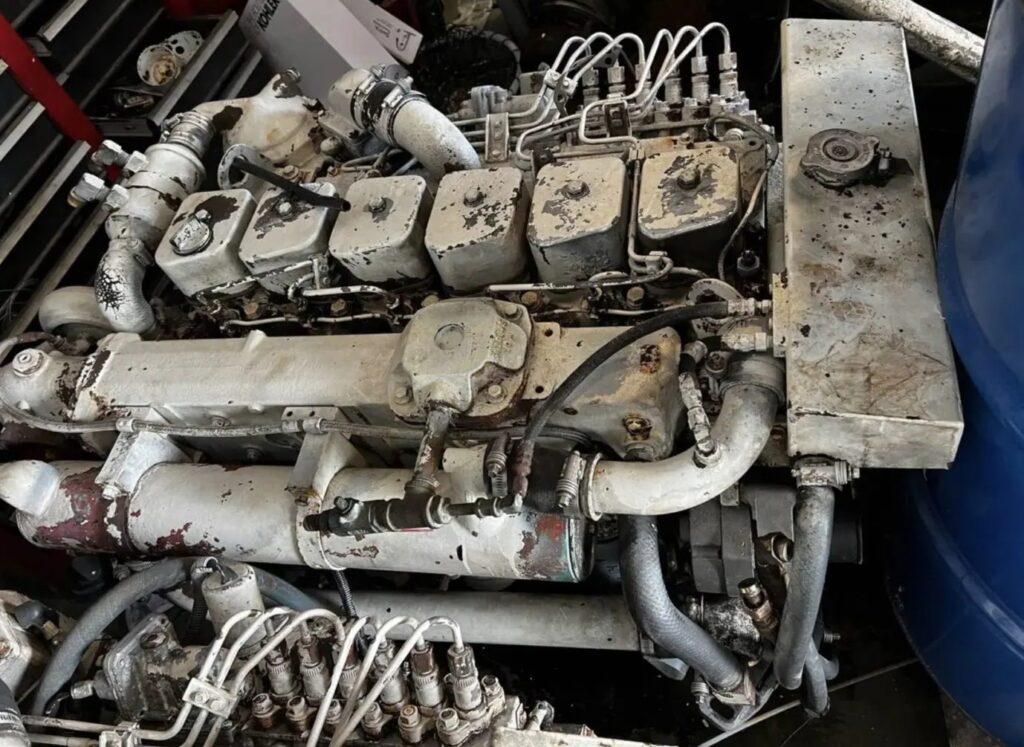
Marine diesel engines are known for durability, but every engine eventually reaches a point where rebuilding is no longer the smartest investment. The key is not guessing—it’s diagnosing correctly. If you are unsure whether your engine’s symptoms are repairable or terminal, start with the Marine Diesel Troubleshooting Guide to confirm root cause before making a major decision.
At 805 Marine Diesel Mechanic, engines across Ventura, Oxnard, Channel Islands Harbor, and Santa Barbara are evaluated daily for rebuild vs repower decisions. This guide expands the real diagnostic criteria used in the field to determine when an engine has crossed the line beyond practical rebuild.
When Does a Marine Diesel Become “Beyond Rebuild”?
Not every worn engine needs replacement. Many engines showing symptoms like hard starting, low power, or surging at cruise are still rebuildable.
The critical difference is whether the engine still has a solid mechanical foundation—or if structural, thermal, and system degradation has made long-term reliability unrealistic.
1. Severe Block or Cylinder Damage
Once the engine’s core structure is compromised, rebuild viability drops dramatically.
Damage often begins after severe overheating events tied to overheating under load or raw water flow failure.
- Cracked engine block
- Cylinder wall wear beyond machining limits
- Warped head surfaces
- Repeated head gasket failures
These conditions often appear alongside high exhaust temperature and long-term thermal stress.
2. Chronic Overheating History
Engines that have overheated repeatedly suffer hidden internal damage. Even if they temporarily run correctly, long-term reliability is compromised.
Common root causes include exhaust restriction, aftercooler failure, and turbo inefficiency.
Overheating damage compounds over time, affecting seals, bearings, and structural integrity.
3. Excessive Oil Consumption & Blue Smoke
Persistent oil burning is a major indicator of internal wear. Engines showing heavy blue smoke often have worn rings, cylinder glazing, or valve train issues.
This condition frequently overlaps with turbo oil system problems and turbocharger wear.
If oil consumption continues after repairs, the underlying wear is often beyond practical rebuild limits.
4. Corrosion or Saltwater Intrusion
Saltwater intrusion accelerates internal engine degradation.
Common failure paths include:
- Cooling system failure allowing seawater entry
- Corroded heat exchanger systems
- Exhaust riser failure
- Internal rust in cylinder walls
These issues are often tied to neglected cooling system maintenance and can cause long-term structural damage.
5. Persistent Low Power Despite Repairs
If an engine continues to show power loss under load or cannot reach rated RPM after multiple repairs, deeper internal issues may be present.
This often indicates system imbalance that cannot be corrected without full engine replacement.
Compare with diagnostics such as fuel vs air restriction, boost testing, and air intrusion.
6. Rebuild Cost vs Repower Cost
Even if an engine is technically rebuildable, the financial side often tells the real story.
Major rebuild costs typically include:
- Fuel system overhaul
- Turbocharger replacement
- Cooling system rebuild
- Labor-intensive teardown
Compare this with repower vs rebuild decisions to evaluate long-term value.
7. System-Wide Degradation
Engines rarely fail in isolation. When multiple systems degrade together, rebuilding becomes less practical.
Watch for crossover symptoms:
When multiple systems degrade simultaneously, long-term rebuild success drops significantly.
External Authority Resources
Cummins Marine Engines |
Caterpillar Marine Systems
10 Responses