
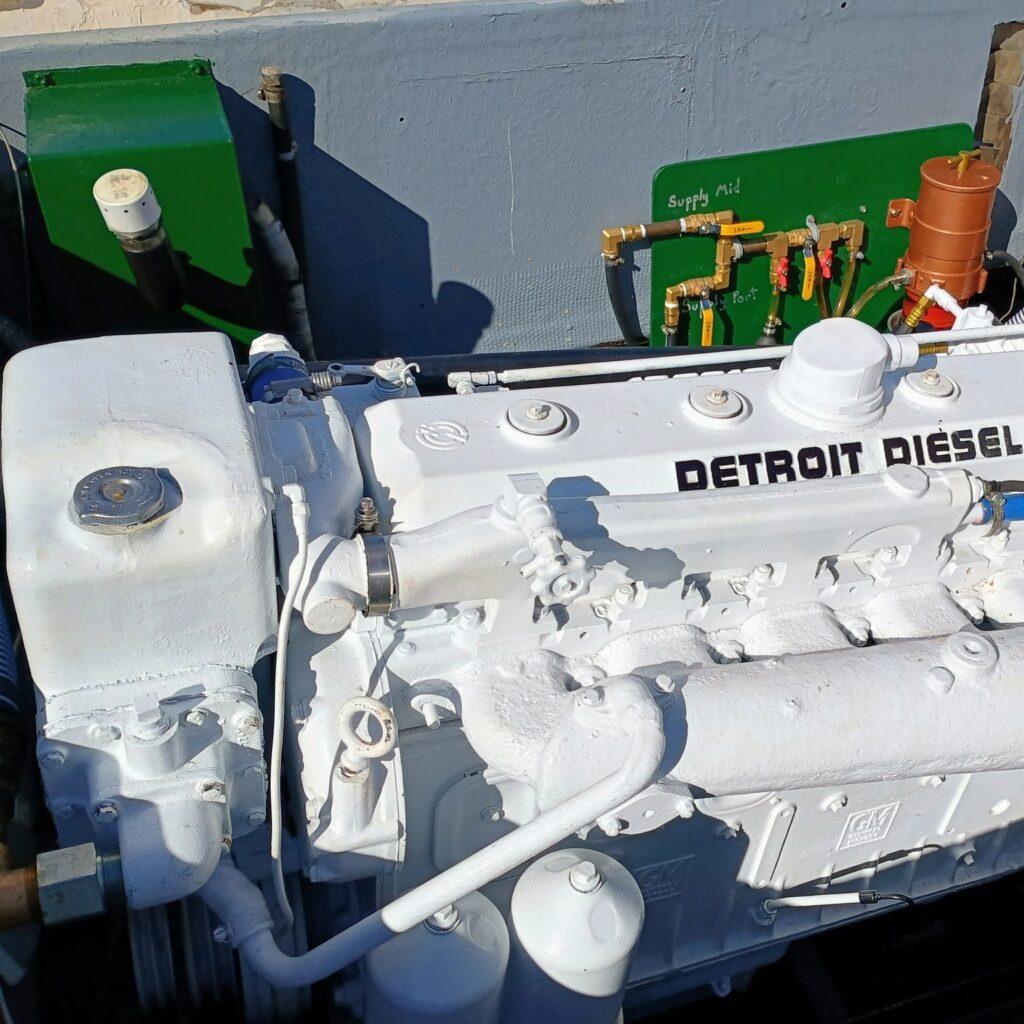
A Detroit Diesel 671 marine restoration is never just an engine swap. Before deciding whether a commercial or recreational vessel needs repair, restoration, or repower, start with the Master Marine Diesel Troubleshooting Guide to determine whether the real problem is fuel delivery, airflow, cooling, electrical, drivetrain, or engine wear. On the F/V Polar Star in Santa Barbara, the correct answer was a complete system restoration built around a refurbished Detroit Diesel 671.
At 805 Marine Diesel Mechanic, Detroit Diesel projects are evaluated as full propulsion systems, not isolated engines. A strong 671 can still be held back by poor wiring, fuel restriction, weak filtration, dirty cooling circuits, or alignment problems. This project corrected the engine installation, wiring system, fuel plumbing, engine room condition, and operating reliability so the vessel could return to commercial service with a clean, documented baseline.
Detroit Diesel 671 Restoration Overview
The Detroit Diesel 6-71 is one of the most recognizable two-stroke marine engines ever built. Its rugged design, strong parts support, and simple mechanical layout make it a practical restoration candidate when the engine core is sound and the vessel’s operating needs still match the platform.
That does not mean every 671 should be rebuilt blindly. Restoration decisions should be compared with engine beyond rebuild indicators and repower vs rebuild decisions. In this case, the engine and vessel justified a structured restoration because the major problems were system fatigue, aged wiring, old fuel plumbing, and engine room degradation rather than a failed platform.
Why the F/V Polar Star Needed a Full Restoration
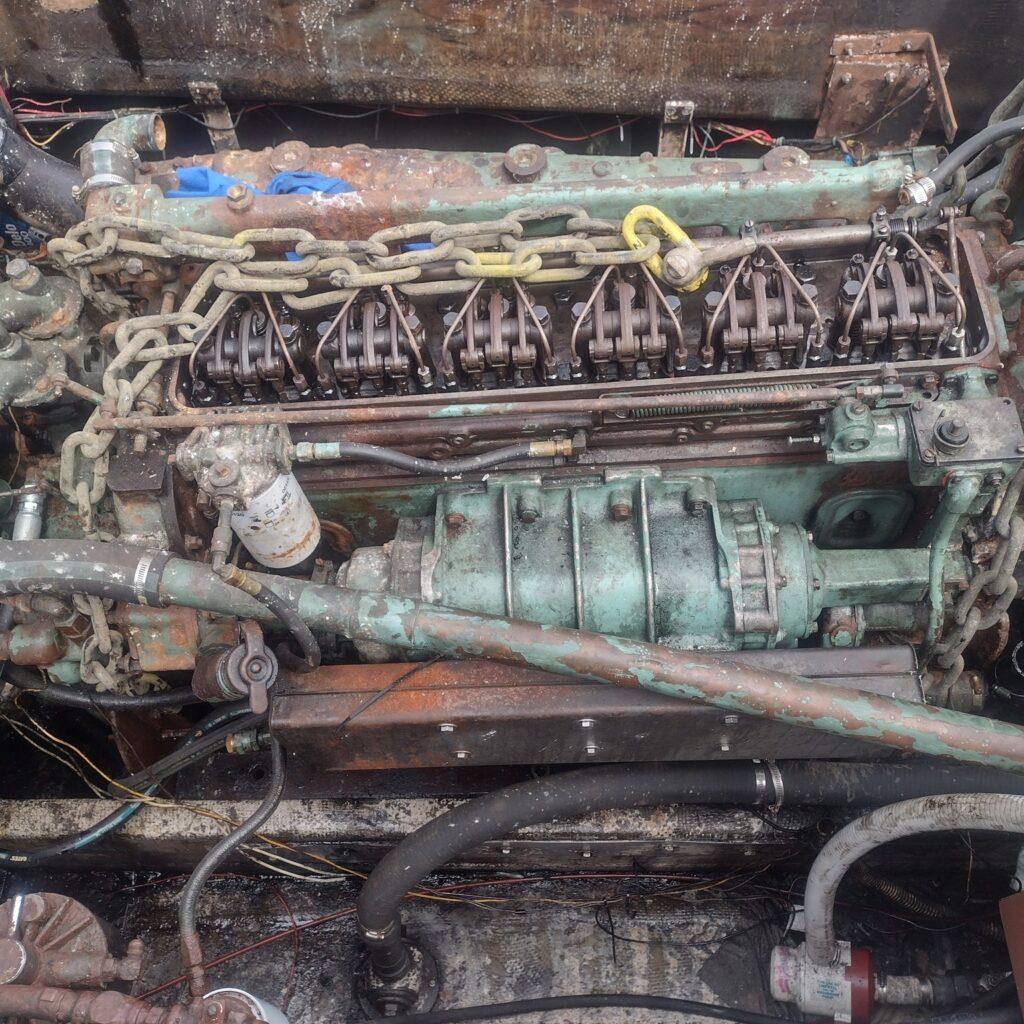
The original installation had reached the point where isolated repairs would only delay future failures. The engine room showed years of workboat history: patched wiring, dated fuel lines, mixed fittings, oil staining, and limited documentation. For a commercial lobster boat operating in the Santa Barbara Channel, that kind of uncertainty creates downtime risk.
Common symptoms that point toward this level of work include low power under load, surging at cruise RPM, failure to reach full RPM, and repeated fuel system issues. When several of these issues appear together, system restoration is often more reliable than chasing one repair at a time.
- Aged and patched wiring created reliability risk.
- Fuel plumbing showed mixed components and old routing.
- The engine room needed cleaning and repainting for inspection access.
- The old powerplant no longer provided a clean service baseline.
- The owner needed predictable commercial reliability.
Core Service 1: Refurbished Detroit Diesel 671 Repower
The heart of the project was installing a refurbished Detroit Diesel 671 marine engine into a prepared engine room. Before installation, the engine was inspected, cleaned, and prepared so that all supporting systems could be tied in correctly.
A proper repower requires more than setting the engine on the beds. It requires mount verification, shaft alignment, fuel supply planning, exhaust compatibility, cooling capacity, and electrical integration. This is why similar projects should be evaluated alongside computerized engine survey diagnostics where applicable and broader marine engine mechanical failure diagnostics when deciding whether the old engine is still viable.
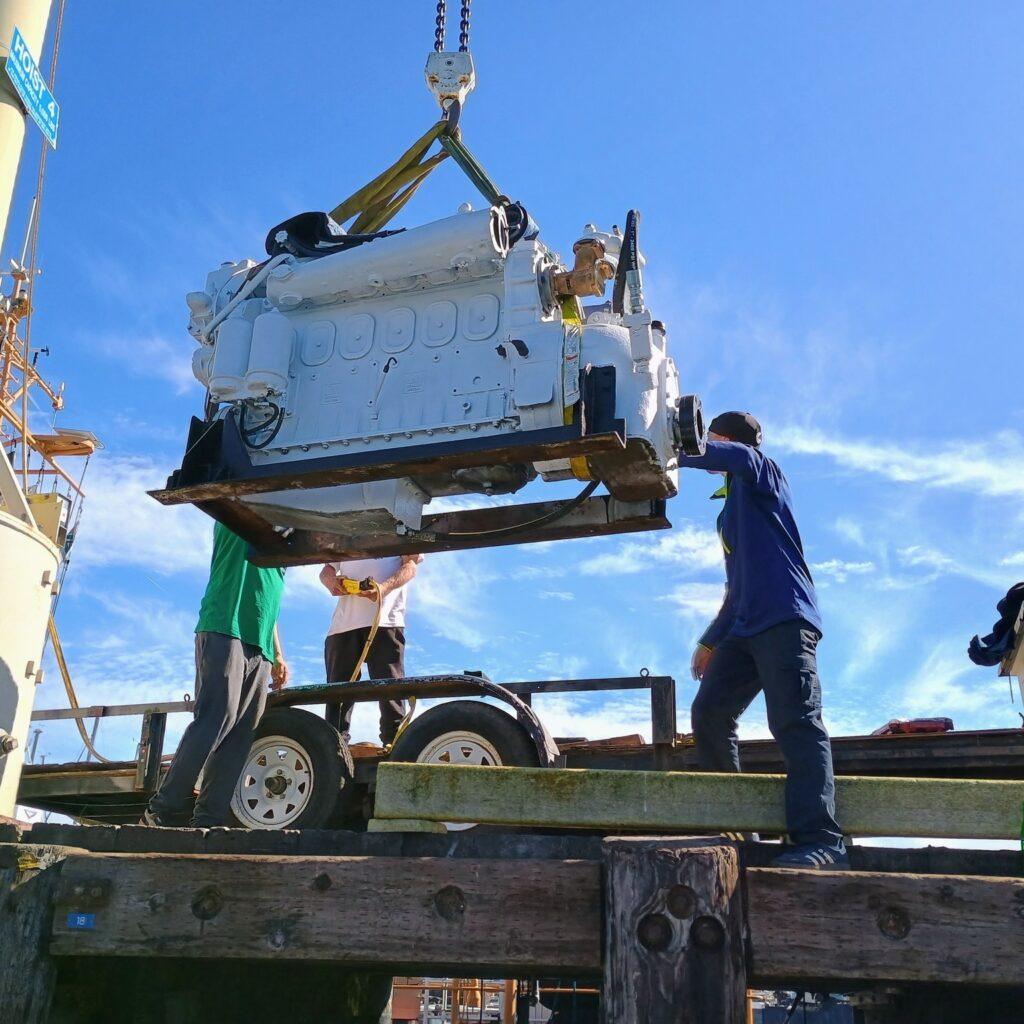
Once the engine was lowered into place, drivetrain alignment and mount position were verified. These steps help prevent vibration, coupler stress, transmission wear, and shaft-line issues that can later be mistaken for engine performance problems.
Core Service 2: Complete Marine Engine Rewire
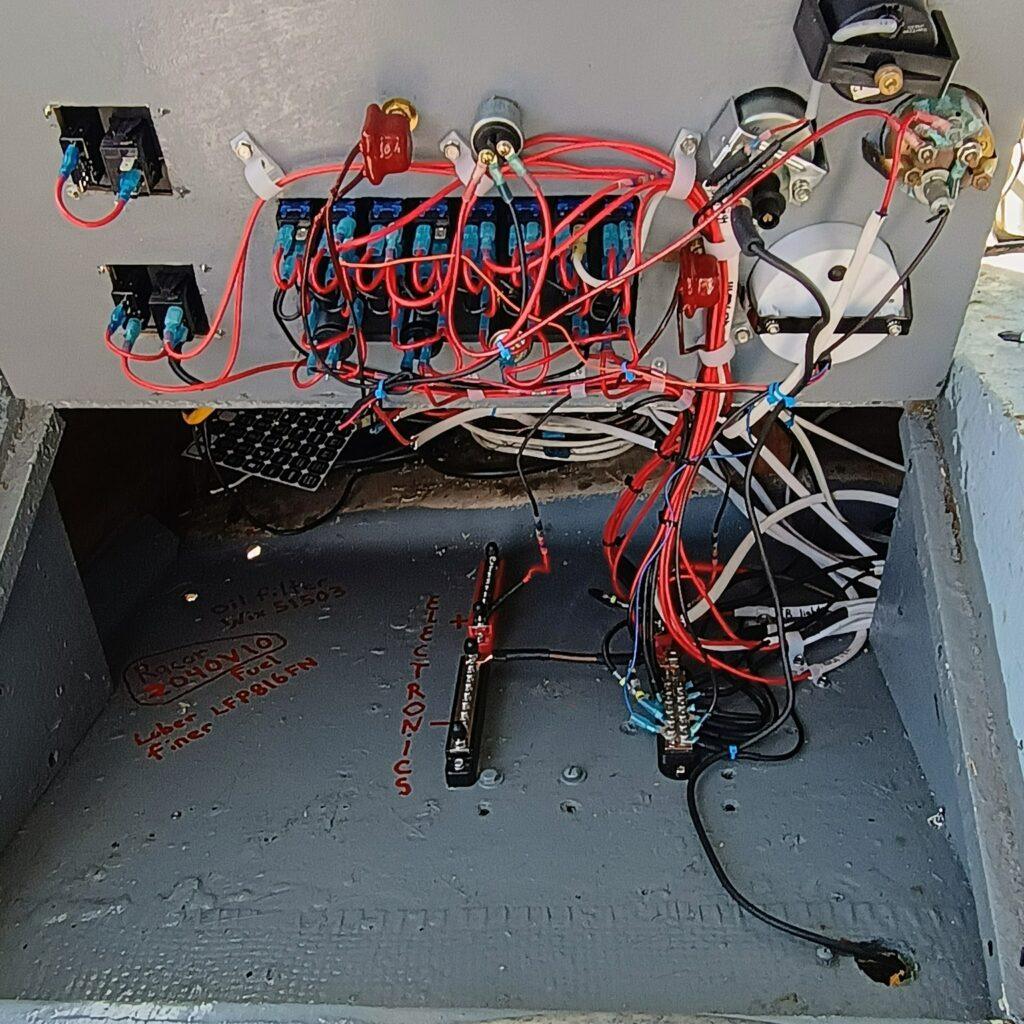
The original wiring system had years of additions, repairs, and aged terminations. On older commercial boats, wiring problems often create intermittent failures that are difficult to diagnose under pressure. A full rewire provides a clean baseline for starting, charging, alarms, instrumentation, and safety systems.
Electrical problems can mimic fuel or mechanical issues. A weak ground, poor starter circuit, or failed safety circuit can produce symptoms similar to cranks but won’t start, turns over but no smoke, or hard starting cold vs warm.
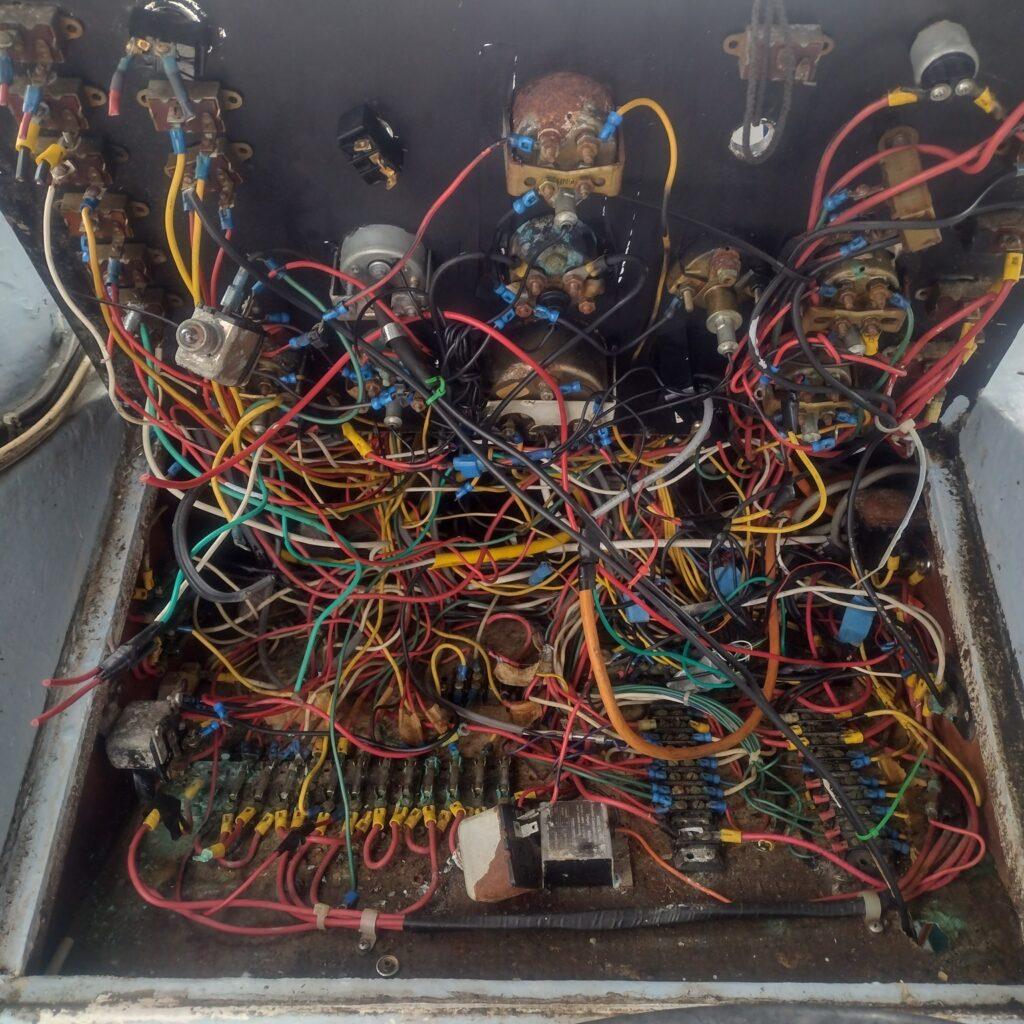
Aged and disorganized Detroit Diesel 671 marine engine wiring before restoration on F/V Polar Star in Santa Barbara.
The restored wiring system was routed with chafe protection, supported harnesses, labeled circuits, and cleaner termination points. This improves future troubleshooting and reduces electrical downtime.
Clean and organized Detroit Diesel 671 marine engine wiring after complete rewire and restoration by 805 Marine Diesel Mechanic.
Core Service 3: Fuel System Replumb and Filtration Planning
A Detroit Diesel 671 depends on clean, stable fuel delivery. Air intrusion, restriction, water contamination, or poor filtration can cause poor running, low power, hard starting, injector wear, and smoke. This is why the fuel system was replumbed instead of simply reconnecting the old lines.
Fuel system reliability was evaluated with the same logic used in Fuel System Diagnosis Center work, fuel restriction vs air restriction diagnosis, and Racor troubleshooting. The new orphan link for this post is also naturally relevant here: Caterpillar marine diesel fuel system problems discusses many of the same fuel delivery principles that apply across heavy-duty marine diesel platforms.
- Old fuel lines were removed where needed.
- Fuel routing was simplified and made more serviceable.
- Filtration and water separation were reviewed.
- Fuel delivery stability was prioritized for commercial use.
- Future troubleshooting access was improved.
Fuel contamination can create major issues after a restoration if it is not corrected. That is why projects like this should also consider marine diesel fuel contamination, diesel algae contamination, and fuel contamination and filtration issues.
Engine Room Preparation and Paint
Before final installation, the engine room was cleaned and prepared. A clean engine room is not just cosmetic. It makes leaks visible, improves inspection access, helps future service work, and supports better survey outcomes.
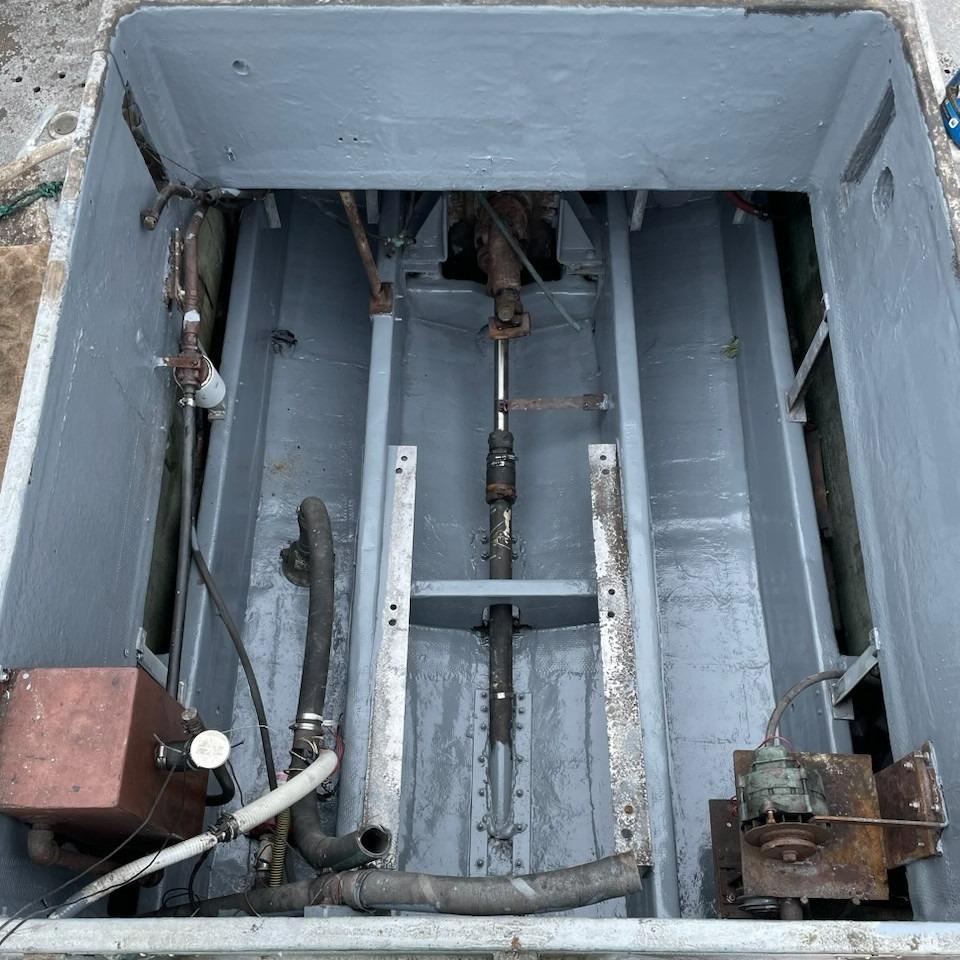
Engine room cleaned, painted, and prepared for Detroit Diesel 671 marine engine installation on F/V Polar Star.
Clean paint and organized systems also help identify future problems early, especially oil leaks, coolant leaks, saltwater leaks, fuel seepage, and exhaust staining. This is useful for older Detroit Diesel vessels where early detection can prevent major repair costs.
Cooling, Exhaust, and Load Verification
After installation, cooling and exhaust systems must be verified under real operating conditions. A restored Detroit Diesel 671 can only perform properly if it has stable coolant temperature, clean raw water flow, and correct exhaust routing.
Supporting systems were checked using logic similar to Cooling System Diagnosis Center, raw water flow problem diagnosis, heat exchanger clogging diagnosis, and exhaust backpressure diagnosis.
Sea trial verification is especially important for commercial boats because dockside testing does not prove loaded performance. Under load, issues such as overheating under load, low boost pressure, and turbo lag become visible.
Before-and-After Results
The finished restoration delivered more than a cleaner-looking engine room. It produced a more reliable commercial system with clearer wiring, better fuel delivery, improved serviceability, and a restored Detroit Diesel 671 ready for the Santa Barbara Channel.
- Refurbished Detroit Diesel 671 installed and aligned
- Old wiring removed and replaced with organized routing
- Fuel system replumbed for reliability and inspection access
- Engine room cleaned, painted, and service-ready
- Startup, operating pressure, and sea trial checks completed
These improvements help prevent recurring problems such as surging at cruise, failure to reach full RPM, and abnormal exhaust smoke.
Long-Term Benefits for Commercial Operators
For a working lobster boat, downtime matters. A structured restoration reduces uncertainty and gives the owner a documented baseline for future service, inspections, and seasonal maintenance.
- Reduced electrical failure risk
- More reliable fuel delivery
- Cleaner and safer engine space
- Better documentation for future service
- Improved confidence for offshore work
For owners deciding whether to restore a legacy engine or repower completely, this type of project should be compared with marine diesel repower vs rebuild planning and computerized engine survey diagnostics.
External Authority Resources
Detroit Diesel Official |
Caterpillar Marine Systems
Detroit Diesel 671 Marine Restoration — FAQ
1. Why restore a Detroit Diesel 671 instead of replacing it?
2. What was included in this Detroit Diesel 671 restoration?
3. Why is rewiring important during a restoration?
4. Why was the fuel system replumbed?
5. Can fuel system problems mimic engine failure?
6. Why clean and paint the engine room?
7. Is a Detroit Diesel 671 still worth restoring?
8. What are signs a Detroit Diesel 671 needs restoration?
9. Why is sea trial verification important?
10. Can a restoration improve resale value?
11. Does a 671 restoration require engine removal?
12. What fuel system upgrades are common during restoration?
13. Why inspect cooling during a restoration?
14. Can old wiring cause a no-start condition?
15. What makes commercial vessel restoration different?
16. Can restoration reduce future troubleshooting time?
17. Should I restore or repower my Detroit Diesel?
18. Can this work be done dockside?
19. When should I schedule a Detroit Diesel evaluation?
20. What is the best restoration approach?
805 Marine Diesel Mechanic provides Detroit Diesel 671 restoration, fuel system replumbing, marine engine rewiring, repower support, and mobile marine diesel diagnostics throughout Ventura, Oxnard, Channel Islands Harbor, and Santa Barbara.
One Response