
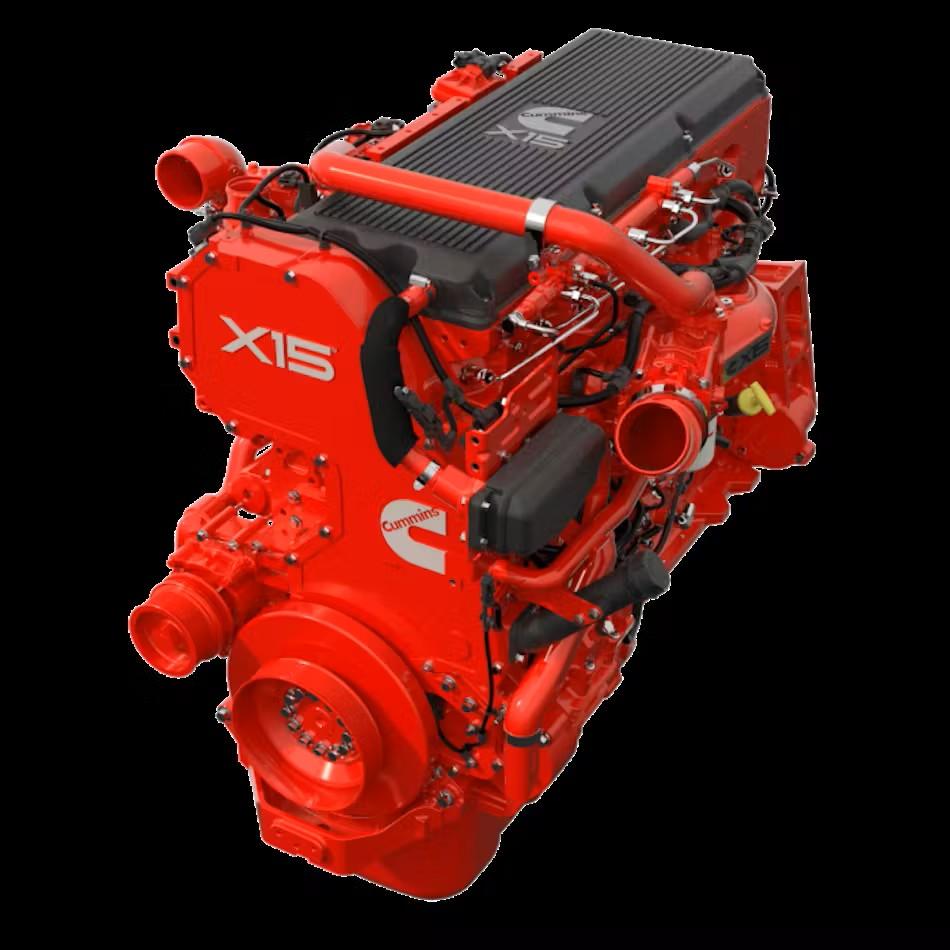
Low power and RPM loss on a Cummins marine diesel usually means the engine is being restricted by fuel delivery, airflow, turbocharger performance, combustion quality, cooling-system derate behavior, or excessive vessel load. This guide explains how to diagnose the real cause before unnecessary parts are replaced and before continued overload shortens engine life.
Cummins Marine Diesel Low Power & RPM Loss: Complete Diagnosis Authority Guide
Loss of engine power or inability to reach full RPM is one of the most common performance complaints affecting Cummins marine diesel engines. Engines such as the Cummins 6BTA 5.9, QSB 5.9, QSC 8.3, QSL9, QSM11, QSX15, and X15 are designed to deliver consistent power through the operating range when fuel delivery, airflow, combustion quality, cooling efficiency, and vessel load are all in balance. When that balance shifts, the engine begins showing the same familiar complaints: it will not turn up, it feels flat, the boat will not plane properly, exhaust smoke increases, or full vessel speed disappears.
What makes this symptom important is that a Cummins engine running below rated RPM is often being overloaded or restricted. That means the problem is not just slower performance. It can also lead to poor combustion, higher soot loading, extra heat, turbo stress, and long-term reliability issues if it is ignored. In other words, low power is often the early warning sign that the engine is being forced to work in an unhealthy range.
At 805 Marine Diesel Mechanic, Cummins marine diesel power-loss issues are diagnosed throughout Ventura, Oxnard, Channel Islands Harbor, and Santa Barbara. With over 30 years of marine diesel experience, the diagnostic approach is always structured: confirm the real RPM shortfall, inspect fuel delivery, inspect turbo and airflow, consider cooling-system influence, and verify the propulsion load side before blaming major components. This page expands from your Master Marine Diesel Troubleshooting Guide and ties directly into your broader power, fuel, turbo, cooling, and combustion content network.
Common Symptoms of Marine Diesel Power Loss
When a Cummins marine diesel engine loses power, several recognizable symptoms usually appear during operation.
- Engine will not reach rated RPM
- Reduced top speed
- Sluggish acceleration
- Black exhaust smoke under load
- Engine struggling to plane the vessel
- Heavy or overloaded feel at cruise
- Weak throttle response under sustained load
These symptoms usually indicate that the engine is being restricted by either fuel delivery, airflow, combustion quality, cooling-system derate behavior, or excessive load from the hull and propulsion side. Airflow-related performance issues also connect naturally to the Marine Diesel Turbo Diagnosis Center, while broader vessel-performance complaints connect to Boat Engine Losing Power and Boat Engine Won’t Reach Full RPM.
Fuel Delivery Restrictions
Fuel-supply problems are one of the most common causes of power loss in Cummins marine engines. If fuel flow is restricted, the engine simply cannot deliver enough fuel to maintain full output under load. A Cummins may idle acceptably and even sound normal at low throttle, but once demand rises, the restriction becomes obvious.
Restricted fuel flow may be caused by:
- Clogged fuel filters
- Contaminated diesel fuel
- Restricted fuel pickup tubes
- Air leaks in fuel lines
- Weak lift-pump or supply-side performance
When fuel supply becomes restricted, the engine cannot maintain full pressure and fuel volume to support proper load output. This topic naturally connects to Fuel Contamination & Filtration Issues Center, Fuel System Diagnosis Center, Marine Diesel Fuel Contamination, and Marine Diesel Air in Fuel System.
Injector Performance Problems
Fuel injectors must deliver precisely metered diesel into the combustion chamber. If injectors become worn, contaminated, or electronically inconsistent, engine performance drops and combustion becomes less efficient. On electronically managed Cummins engines, injector problems can quickly create both low-power and smoke symptoms.
Common injector issues include:
- Clogged injector tips
- Poor spray patterns
- Fuel leakage
- Electronic injector malfunction
Injector issues often cause rough running, increased smoke, and reduced power output. That is why detailed fuel-side diagnostics belong with this page through the Fuel System Diagnosis Center and combustion-related symptom pages deeper in your network.
Turbocharger and Airflow Restrictions
Turbochargers increase the amount of air entering the engine, allowing additional fuel to burn efficiently. If the turbocharger weakens or the air system becomes restricted, the engine cannot generate full power even if the fuel side is still trying to deliver normally.
Common airflow problems include:
- Turbocharger failure
- Dirty air filters
- Aftercooler restrictions
- Collapsed intake hoses
- Boost leaks in the charge-air path
These problems frequently cause black exhaust smoke, reduced engine RPM, and slow acceleration because the engine is receiving too much fuel relative to the air available. This is why the low-power path belongs directly beside the Marine Diesel Turbo Diagnosis Center, Turbocharger Failure Symptoms, and Black Smoke Under Load.
Propeller and Vessel Load Issues
Not all power-loss problems originate from the engine itself. Excessive vessel load or propulsion-side issues can also limit engine RPM. If the engine is healthy but the boat is asking too much from it, full rated RPM may never be reached.
Examples include:
- Over-pitched propellers
- Marine growth on the hull
- Damaged propellers
- Transmission or driveline drag
- Excess onboard weight or unusual load conditions
If the engine is overloaded, it may be unable to reach rated RPM even if it is mechanically sound. This is one reason why no real low-power diagnosis should stop at the engine bay. Vessel-side drag matters just as much as fuel and boost when the complaint is “won’t turn up.”
Combustion Problems
Combustion inefficiencies can also contribute directly to power loss. If fuel is not being burned efficiently, the engine may still run, but it will not make full torque. Combustion-related causes often overlap with smoke, hard-start, and rough-running symptoms.
These may include:
- Improper fuel injection timing
- Poor injector atomization
- Low engine compression
- Cylinder imbalance
Combustion-related problems are explored further in the Smoke & Combustion Diagnosis Center. This is especially important when the engine is losing power and also changing smoke color or startup behavior.
Cooling System Influence on Engine Power
If a marine diesel engine begins to overheat, the engine-control system may reduce power to protect internal components. Even on engines without dramatic alarm behavior, rising temperatures often reduce efficiency and make the engine feel weaker under load.
Cooling-system restrictions can therefore contribute to RPM loss through:
- Heat-exchanger restriction
- Raw-water flow loss
- Aftercooler fouling
- Thermostat or coolant-side issues
- Protective derate behavior
Cooling-related issues are discussed in the Cooling System Diagnosis Center, Boat Engine Overheating, and Overheating at Idle. If the engine is running hot and weak at the same time, cooling must stay high on the suspect list.
When Low Power Looks Like Something Else
One of the biggest reasons marine diesel power-loss complaints get misdiagnosed is because so many different systems can create similar symptoms. A dirty bottom can feel like weak horsepower. A clogged filter can feel like a turbo problem. A boost leak can feel like injector trouble. A cooling restriction can feel like the engine is simply “tired.”
That is why this symptom should also connect naturally with:
- Engine Starts Then Dies
- Boat Engine Won’t Start
- Smoke & Combustion Diagnosis Center
- Computerized Marine Engine Survey Diagnostics Center
Good diagnostics do not guess. They separate the engine side from the load side and then isolate the actual restriction.
Professional Cummins Power Loss Diagnosis
Diagnosing marine diesel power loss requires systematic testing of several engine systems. A Cummins engine that cannot reach full RPM should be evaluated under real operating conditions, not just at the dock or by memory. The actual RPM shortfall, smoke behavior, load response, and system performance all matter.
A structured diagnostic process typically includes:
- Fuel-pressure testing
- Turbo boost-pressure testing
- Injector performance inspection
- Airflow restriction testing
- Propulsion-system inspection
- Cooling and temperature verification
Advanced engine inspections are also available through the Computerized Marine Engine Survey Diagnostics Center, which helps tie live data, load behavior, and deeper engine-condition analysis into the same diagnostic workflow.
Cummins Marine Diesel Service in Ventura & Channel Islands Harbor
805 Marine Diesel Mechanic provides Cummins marine diesel power-loss diagnosis throughout:
- Ventura Harbor
- Channel Islands Harbor
- Oxnard
- Santa Barbara
If your Cummins marine diesel engine cannot reach full RPM, struggles under load, smokes black, or has lost performance, professional diagnosis can quickly identify whether the real cause is fuel restriction, turbo weakness, airflow loss, cooling-system derate, or propulsion overload.
Cummins Power Loss FAQ
1. Why won’t my Cummins marine engine reach full RPM?
This is commonly caused by restricted fuel filters, turbocharger or airflow problems, excessive propeller load, or cooling-related derate behavior.
2. Can fuel contamination cause loss of power?
Yes. Contaminated fuel restricts injectors, clogs filters, and reduces combustion efficiency, which can cause clear power loss.
3. How do you diagnose marine diesel power loss?
Diagnosis involves testing fuel pressure, turbo boost pressure, airflow restrictions, injector performance, load conditions, and cooling behavior instead of guessing at one part.
4. Can a turbocharger cause RPM loss?
Yes. A failing turbocharger reduces air supply to the engine, limiting combustion efficiency and full power output.
5. Can dirty fuel filters make the engine feel overloaded?
Absolutely. Restricted fuel delivery often makes the engine feel heavy, weak, and unable to turn up under throttle.
6. Can a propeller problem make the engine seem weak even if the engine is healthy?
Yes. Over-pitched props, damaged props, and hull fouling can all keep a healthy engine from reaching rated RPM.
7. Can black smoke and low power happen together?
Yes. That often means the engine is receiving too much fuel for the available air, or it is being overloaded. Related page: Black Smoke Under Load.
8. Can cooling problems reduce power before the engine fully overheats?
Yes. Rising temperature often reduces efficiency and may trigger protective behavior before a full alarm condition develops.
9. Can injector wear cause low power?
Yes. Poor injector atomization or fuel leakage can reduce combustion quality and engine output.
10. Can air in the fuel system cause RPM loss?
Yes. Air intrusion can destabilize fuel delivery and create weak or inconsistent power under load. Related page: Marine Diesel Air in Fuel System.
11. Can aftercooler restriction affect top speed?
Yes. If the air side is restricted or the aftercooler is dirty, boost efficiency falls and the engine may lose top-end performance.
12. Does low power always mean internal engine damage?
No. Many low-power complaints come from fuel restriction, airflow issues, cooling problems, or vessel load rather than major internal damage.
13. Why does my boat struggle to plane even though the engine still runs smoothly?
That often points toward limited power output, vessel overload, or propulsion drag that only shows up under real load.
14. Can low compression contribute to power loss?
Yes. Low compression reduces combustion efficiency and can create weak power, rough running, and smoke changes. Related page: Smoke & Combustion Diagnosis Center.
15. Can a Cummins lose power from electronic control issues too?
Yes. Some engines can limit output when sensors or control systems detect abnormal conditions, especially on electronically managed platforms.
16. Can repeated low-RPM operation damage the engine over time?
Yes. Chronic under-RPM operation can overload the engine, increase soot, and shorten turbo and engine life.
17. Is mobile diagnosis useful for Cummins power-loss complaints?
Yes. Power-loss complaints are best confirmed on the boat under real load where RPM, boost, smoke, and vessel performance can be observed together.
18. Can fuel restriction and turbo problems happen at the same time?
Yes. Multiple restrictions can stack together, which is why single-part guessing often misses the real problem.
19. When should I call a mechanic for Cummins low-power symptoms?
If the engine cannot reach rated RPM, feels weak under load, loses top speed, or smokes excessively, it is time for professional diagnosis through the contact page.
20. Where should I start if I want the full Cummins low-power pathway?
Start with the Master Marine Diesel Troubleshooting Guide, then move through the linked fuel, turbo, cooling, smoke, and RPM pages from there.
3 Responses