
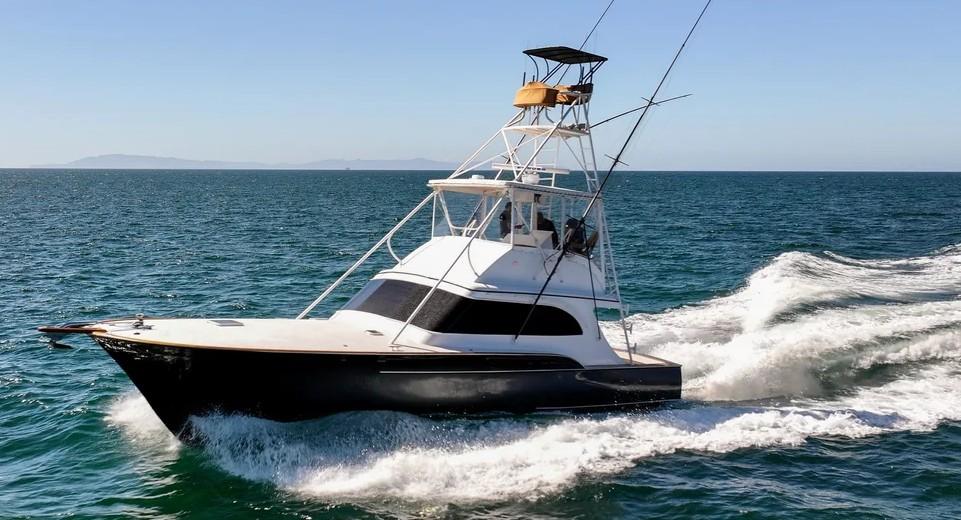
If your boat engine will not start, the problem is usually in one of five core areas: batteries and cranking speed, starter and electrical control, fuel delivery, air in the fuel system, or shutoff and safety circuits. This guide walks through the real marine diesel no-start diagnostic process so you can narrow the failure quickly instead of guessing and replacing parts at random.
Boat Engine Won’t Start – Marine Diesel Troubleshooting Guide
A no-start condition is one of the most frustrating problems a boat owner can face because it usually happens at the worst time. You are leaving the dock, getting ready to fuel up, or planning a run toward the Channel Islands when the engine suddenly refuses to cooperate. On a marine diesel, the failure may look simple from the outside, but there are several very different no-start patterns, and each one points toward a different diagnostic path.
The first question is not just “will it start?” The first question is what exactly is the engine doing? Does it not crank at all? Does it click once and stop? Does it crank slowly? Does it crank normally but never fire? Does it start briefly and die? Those differences matter because marine diesel troubleshooting begins with pattern recognition, not guesswork.
With over 30 years of hands-on marine diesel experience, 805 Marine Diesel Mechanic provides mobile inboard engine troubleshooting throughout Ventura, Oxnard, Channel Islands Harbor, and Santa Barbara. This page expands from the Master Marine Diesel Troubleshooting Guide and gives you a more complete no-start pathway built around fuel, electrical, cranking speed, and shutdown control logic.
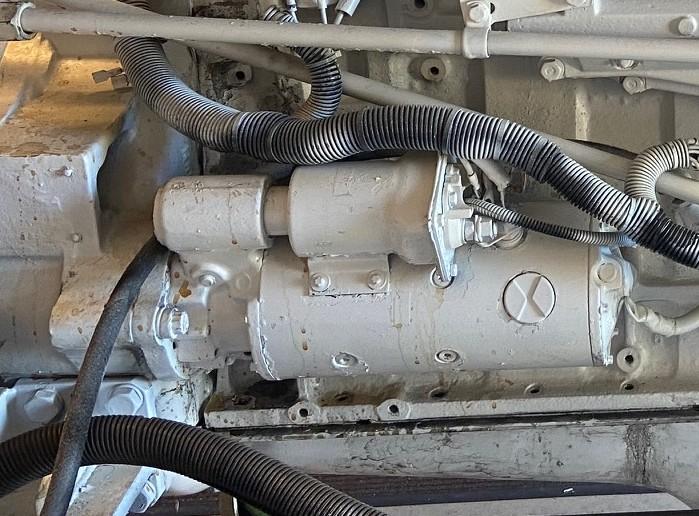
What a Marine Diesel Needs to Start
A marine diesel engine is simple in principle, but strict in what it needs. To start correctly, it must have:
- Enough battery power and cranking speed
- A working starter and electrical path
- Clean fuel delivered at the correct pressure
- No major air intrusion in the fuel system
- Proper shutdown and stop controls in the run position
- Enough compression and combustion quality to fire
If any one of those is missing, the engine may fail to crank, crank slowly, crank and not fire, or fire once and then die. That is why no-start diagnosis should always begin with system logic instead of random part replacement.
Common Reasons a Boat Engine Won’t Start
- Dead or weak batteries
- Faulty starter motor or starter solenoid
- Poor battery cable or ground connections
- Air in the fuel system
- Fuel contamination or clogged filters
- Fuel shutoff or stop-solenoid problems
- Electrical switch, relay, or panel faults
- Low cranking speed preventing proper combustion
Some no-start complaints also overlap with engine starts then dies, hard to start when cold, air in fuel system, and fuel contamination. That crossover matters because many starting problems are part of a larger fuel or electrical reliability pattern.
Step-by-Step Marine Diesel No-Start Diagnosis
1. Check Battery Condition and Cranking Power
Low voltage is one of the most common causes of marine diesel no-start conditions. Diesel engines need strong cranking speed to build compression heat. If voltage drops too low while cranking, the engine may spin too slowly to start even if fuel is present.
- Check resting battery voltage
- Check voltage drop during cranking
- Inspect terminals for corrosion
- Inspect battery switch and cable connections
- Verify clean, solid grounds
This is especially important on boats that sit, boats with aging batteries, and boats operating in corrosive saltwater conditions. Related page: Electrical & Starting System Diagnosis Center.
2. Inspect Starter Motor and Solenoid Operation
If you hear a click, slow crank, repeated clicking, or intermittent engagement, the starter circuit needs attention. Sometimes the fault is the starter itself. Other times it is cable resistance, solenoid failure, weak grounds, or voltage drop reaching the starter under load.
A marine diesel starter may still make noise but fail to spin the engine fast enough. That is why listening alone is not enough. It has to be tested with real voltage and load in mind.
3. Verify Whether the Engine Cranks but Will Not Fire
If the engine cranks normally but never starts, the fault often moves away from the starting motor and toward fuel delivery or stop-control issues. This is where many owners waste time because they keep chasing electrical components when the real problem is fuel-related.
At this stage, the key question becomes: is fuel reaching the injection system correctly, and is the engine allowed to run?
4. Check Fuel Delivery
Fuel delivery issues are one of the most common no-start causes on marine diesels. Restricted primary filters, clogged secondary filters, blocked pickup tubes, shutoff valve problems, weak lift pumps, and collapsed hoses can all leave the engine cranking with no real chance of firing.
Related pages include Fuel System Diagnosis Center, Racor Filter Troubleshooting Guide, and Marine Diesel Fuel Contamination.
5. Check for Air in the Fuel System
Air intrusion is one of the most common reasons a diesel cranks but will not start after filter service, hose work, or long sitting periods. Loose fittings, suction-side leaks, improperly bled filters, or cracked hoses can prevent the injection pump from receiving a solid column of fuel.
- Loose fittings
- Leaking fuel line connections
- Recent service without proper priming
- Weak seals at filters or fittings
Related page: Marine Diesel Air in Fuel System. You can also connect this symptom to How to Prime a Marine Diesel Fuel System if the engine recently had fuel work done.
6. Evaluate Fuel Quality
Bad diesel fuel can absolutely create a no-start condition. Water contamination, sludge, microbial growth, and debris can block filters or interfere with proper fuel delivery to the injection system. In coastal environments like Ventura and Channel Islands Harbor, fuel contamination is not theoretical. It is a real and frequent cause of hard starting, intermittent starting, and complete no-start complaints.
Related page: Marine Diesel Fuel Contamination.
7. Check Stop Controls and Shutoff Solenoid Function
Some no-start problems happen because the fuel system is being told not to run. A failed stop solenoid, shutdown linkage fault, or control issue may leave the engine cranking normally but never actually delivering fuel for combustion. These failures are easy to miss if you focus only on filters and batteries.
8. Consider Compression and Cold-Start Quality
If the engine has been getting progressively harder to start, especially when cold, a deeper problem may be developing. Low compression, weak cylinder sealing, or age-related wear can all reduce starting quality. That is especially true on older engines that also have smoke, rough idle, or hard-cold-start complaints.
Related pages: Hard to Start When Cold and No Smoke When Cranking.
Why Repeated Cranking Is a Bad Idea
Many owners respond to a no-start problem by continuing to crank the engine again and again. That can make the situation worse. Repeated cranking overheats the starter, drains the batteries, masks the original fault, and can create a second failure on top of the first. If the engine is not showing signs of improvement after the first few checks, the smarter move is diagnosis, not persistence.
This is especially true if the engine is not producing any smoke at all while cranking, or if fuel has recently been disturbed. Those clues often point to a specific system issue that needs to be corrected before the engine will have any real chance of starting.
Local Marine Diesel No-Start Service
805 Marine Diesel Mechanic routinely diagnoses no-start conditions in:
- Ventura Harbor
- Channel Islands Harbor
- Oxnard marinas
- Santa Barbara waterfront
Mobile service matters with no-start problems because many of these failures are easiest to diagnose where the boat sits, using the same batteries, same fuel system, same environment, and same real-world operating conditions that caused the problem in the first place.
Related Diagnostic Resources
- Master Marine Diesel Troubleshooting Guide
- Electrical & Starting System Diagnosis Center
- Fuel System Diagnosis Center
- Marine Diesel Air in Fuel System
- Marine Diesel Fuel Contamination
- How to Prime a Marine Diesel Fuel System
- Engine Starts Then Dies
- Hard to Start When Cold
When to Call a Professional Marine Diesel Mechanic
If your engine will not crank, cranks too slowly, cranks but will not fire, or starts intermittently and leaves you with no confidence in the boat, professional diagnosis can save hours of guessing and prevent additional damage. The key is determining whether the failure is in batteries, cables, starter, fuel delivery, air intrusion, shutdown controls, or deeper engine condition.
At 805 Marine Diesel Mechanic, mobile marine diesel troubleshooting is available throughout Ventura, Oxnard, Santa Barbara, and Channel Islands Harbor. With over 30 years of hands-on experience, the focus is always on finding the real no-start cause instead of replacing parts blindly.
No-Start FAQ
1. Why does my boat engine crank but not start?
That usually points to a fuel delivery issue, air in the system, a shutdown control problem, or insufficient combustion quality. Start with the Master Marine Diesel Troubleshooting Guide for the full symptom path.
2. Can bad fuel cause a no-start condition?
Yes. Water, debris, and microbial contamination can clog filters and stop proper fuel delivery. Related page: Marine Diesel Fuel Contamination.
3. Is it safe to keep trying to start the engine?
No. Repeated cranking can overheat the starter, drain the batteries, and make diagnosis harder. It is better to identify the real cause first.
4. How do I know if the problem is electrical or fuel-related?
If the engine does not crank at all or cranks very slowly, electrical issues are high on the list. If it cranks normally but does not fire, fuel, stop-control, or combustion-related issues are more likely.
5. Can weak batteries cause a diesel not to start even if it still cranks?
Yes. A diesel needs strong cranking speed to build heat for ignition. Weak batteries may spin the engine, but not fast enough for reliable starting.
6. Can air in the fuel system cause a no-start?
Absolutely. Air intrusion can stop the injection system from receiving a stable fuel supply. Related page: Marine Diesel Air in Fuel System.
7. What if the engine clicks once but does not crank?
That often points toward battery weakness, poor cable connections, bad grounds, or starter/solenoid issues.
8. Can clogged filters stop a diesel from starting?
Yes. Restricted primary or secondary filters can absolutely prevent enough fuel from reaching the engine to start.
9. Why won’t my engine start after changing the fuel filters?
The most common reason is trapped air from incomplete priming or bleeding. Related page: How to Prime a Marine Diesel Fuel System.
10. Can a bad starter cause an intermittent no-start problem?
Yes. Starters and solenoids often fail intermittently before they fail completely, especially in marine environments.
11. What does no smoke while cranking usually mean?
Often it means fuel is not reaching the cylinders properly, or the engine is not being allowed to inject fuel. Related page: No Smoke When Cranking.
12. Can corroded battery terminals really stop the engine from starting?
Yes. Corrosion increases resistance and can reduce cranking power enough to create a no-start or slow-crank condition.
13. Why does my engine start and then die?
That usually means the engine briefly gets enough fuel to fire but then loses delivery or hits a shutdown/control problem. Related page: Engine Starts Then Dies.
14. Can cold weather make a marginal diesel become a no-start?
Yes. Cold conditions expose weak batteries, low compression, poor injector condition, and marginal fuel delivery more quickly. Related page: Hard to Start When Cold.
15. Can a stop solenoid prevent the engine from starting?
Yes. If the stop or shutdown mechanism is not allowing fuel into the run position, the engine may crank normally but never start.
16. What should I check first on a no-start diesel?
Start with battery condition, cable connections, cranking speed, and whether the engine is cranking at all. Then move into fuel delivery and air intrusion.
17. Can fuel contamination cause hard starting before a full no-start?
Yes. Many contaminated-fuel problems begin as hard starting, rough starts, or intermittent no-start complaints before becoming a complete failure.
18. Is a mobile diagnosis better for no-start problems?
Often, yes. No-start problems are frequently easiest to diagnose on the boat with the same batteries, cables, fuel, and environment that caused the failure.
19. When should I call a mechanic?
If the engine repeatedly will not start, if it strands you at the dock, or if you are not confident whether the problem is electrical or fuel-related, it is time for professional diagnosis through the contact page.
20. Where should I start if I want the full no-start pathway?
Start with the Master Marine Diesel Troubleshooting Guide, then move through the linked starting, fuel, air, priming, and hard-start pages from there.
5 Responses