
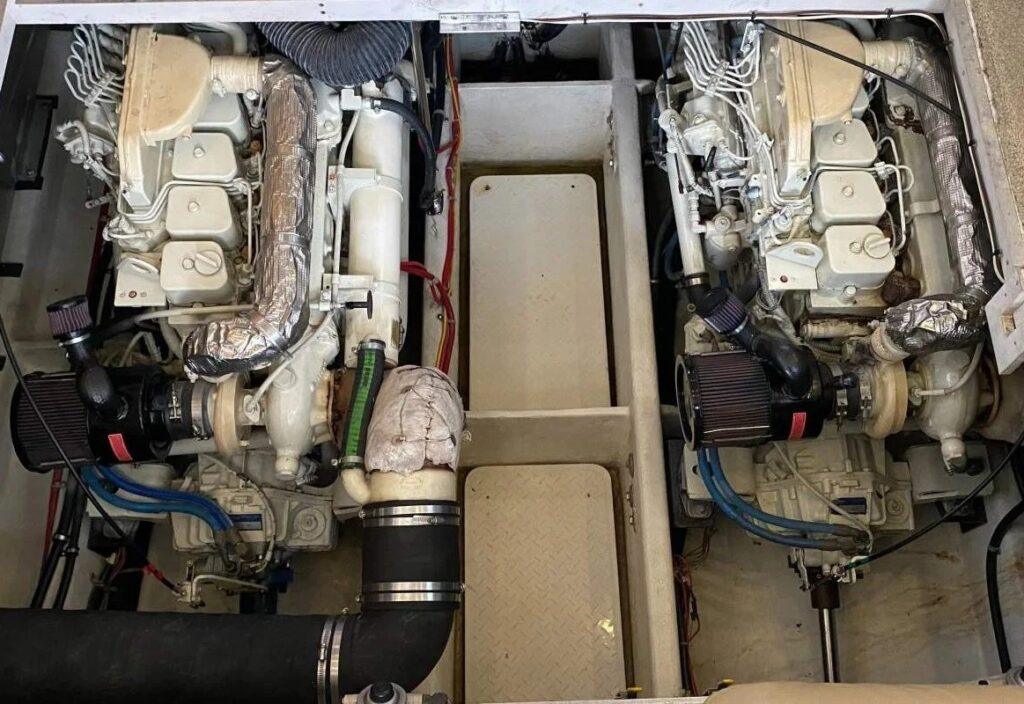
A full restoration on twin Cummins 6BTA marine diesel engines is not just about replacing worn parts—it’s about correcting every system imbalance that develops over time. Before planning a rebuild or major overhaul, start with the Master Marine Diesel Troubleshooting Guide to identify whether the issues are fuel, cooling, drivetrain, or alignment related.
At 805 Marine Diesel Mechanic, we routinely see engines that are mechanically sound but suffer from performance loss due to neglected supporting systems. Problems such as excessive vibration, overheating under load, and loss of power are often resolved through complete system restoration—not just engine work.
Why Twin Engine Restoration Requires a System Approach
Unlike single-engine vessels, twin engine setups introduce alignment, load balance, and drivetrain synchronization variables. Over time, these systems drift out of tolerance.
- Engine mounts compress and shift
- Shaft alignment changes
- Load distribution becomes uneven
- Cooling and fuel systems degrade
This is why restoration must include not just the engines, but the entire propulsion system, especially when symptoms overlap with RPM limitations and surging at cruise.
1. Transmission and Drivetrain Service
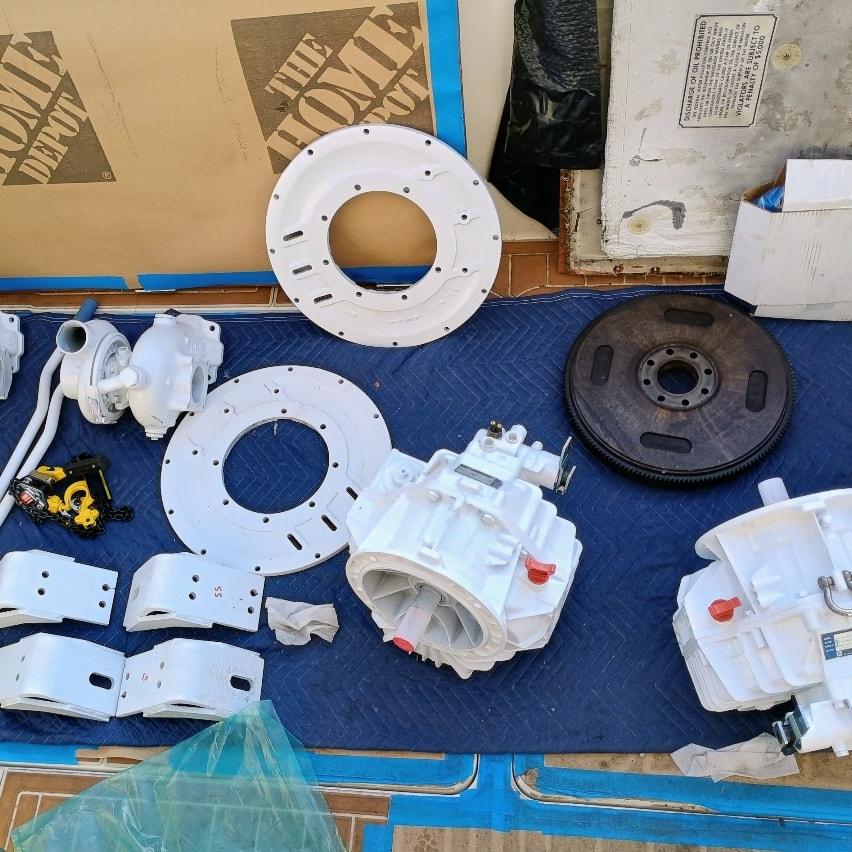
Marine transmissions and shafts play a major role in engine performance. In this restoration, the drivetrain was inspected as part of the full powertrain correction process.
- Transmission fluid breakdown
- Clutch wear
- Coupler misalignment
Improper drivetrain condition can create symptoms similar to shaft spinning but no propulsion or grinding in gear.
2. Turbocharger and Air System Restoration
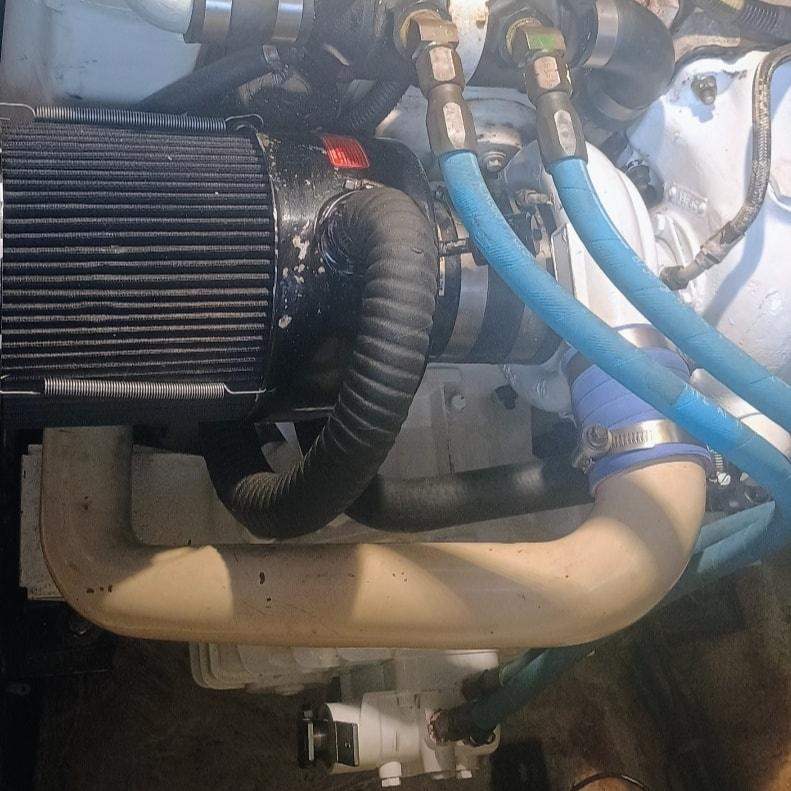
Turbo efficiency is critical for Cummins 6BTA performance. Dirty or worn turbochargers reduce boost response, increase smoke, and raise exhaust temperatures under load.
- Carbon buildup reduces turbine efficiency
- Wastegate sticking affects boost control
- Air leaks reduce charge pressure
This often overlaps with turbo failure symptoms and turbo lag issues.
3. Rear Main Seal and Oil System Integrity
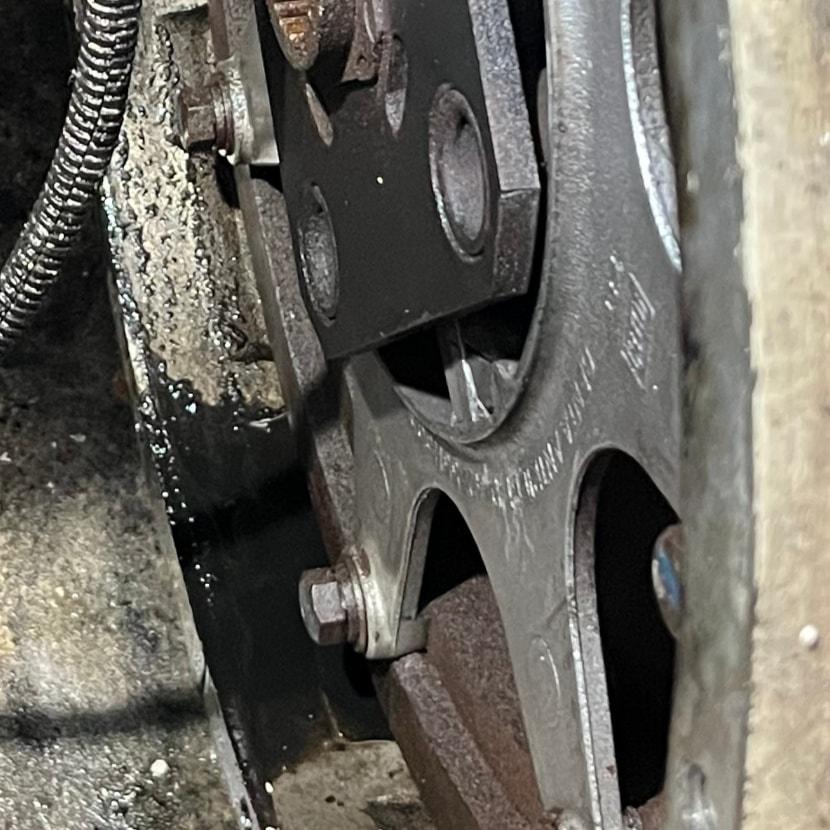
Oil leaks and pressure loss must be corrected during restoration. A leaking rear main seal can contaminate the bilge, mask other problems, and indicate aging crankcase sealing components.
- Rear main seal replacement
- Oil cooler inspection
- Crankcase ventilation service
Ignoring oil system issues can lead to oil leaks and long-term internal wear.
4. Engine Mounts and Alignment Correction
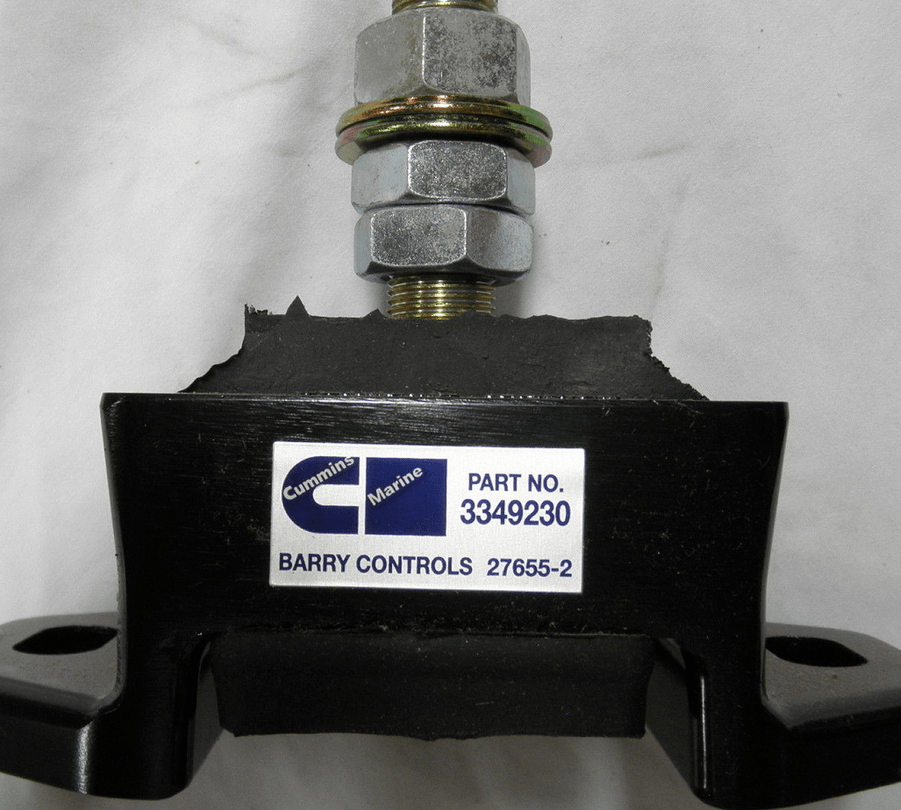
Alignment is one of the most critical—and most overlooked—parts of restoration. Worn mounts allow the engine to settle, twist, and transfer vibration into the shaft line.
- Worn mounts cause misalignment
- Misalignment creates vibration
- Vibration accelerates wear
This is directly connected to alignment issues and vibration under load.
5. Cooling System Overhaul
Cummins 6BTA engines rely heavily on proper cooling system performance. During restoration, cooling inspection helps confirm the engine can safely operate under load after mechanical repairs are complete.
- Heat exchanger cleaning
- Raw water pump inspection
- Aftercooler service
Cooling failures often lead to overheating at high RPM and engine derate conditions.
6. Fuel System Restoration and Cleaning
Fuel systems degrade over time and must be restored fully. Fuel restriction, contaminated filters, and poor injector performance can make a restored engine feel weak even when major mechanical components are repaired.
- Tank cleaning
- Fuel line inspection
- Injector service
This helps eliminate issues like black smoke under load and fuel instability.
7. Electrical and Control System Reliability
Electrical systems degrade in marine environments. Restoration should include wiring, grounds, harnesses, starting circuits, and sensor checks where applicable.
- Corroded connections
- Weak grounding
- Sensor failures
This can lead to issues such as electrical no-start or inconsistent engine behavior.
Advanced Restoration Strategy — Balance Both Engines
In twin engine systems, both engines must perform equally. If one engine is strong and the other lags, the vessel may still feel underpowered, vibrate, or run inefficiently.
- Match RPM output
- Equalize load
- Verify synchronization
If one engine lags behind, it creates uneven wear and performance imbalance, often showing up as sluggish acceleration.
Technician Restoration Workflow
- Full system inspection
- Fuel system cleaning and testing
- Turbo and airflow evaluation
- Cooling system service
- Drivetrain inspection and alignment
- Final performance testing under load
This integrates diagnostic testing and boost verification to ensure full system performance.
External Authority Resources
Cummins Marine Engines |
Caterpillar Marine Systems
2 Responses