
Advanced Marine Electronic Propulsion Systems
Premium electronic throttle, shift, synchronization, CAN bus, and propulsion-control solutions for yachts, sportfishers, trawlers, sailboats, and commercial diesel vessels throughout Ventura, Oxnard, Santa Barbara, and Channel Islands Harbor.
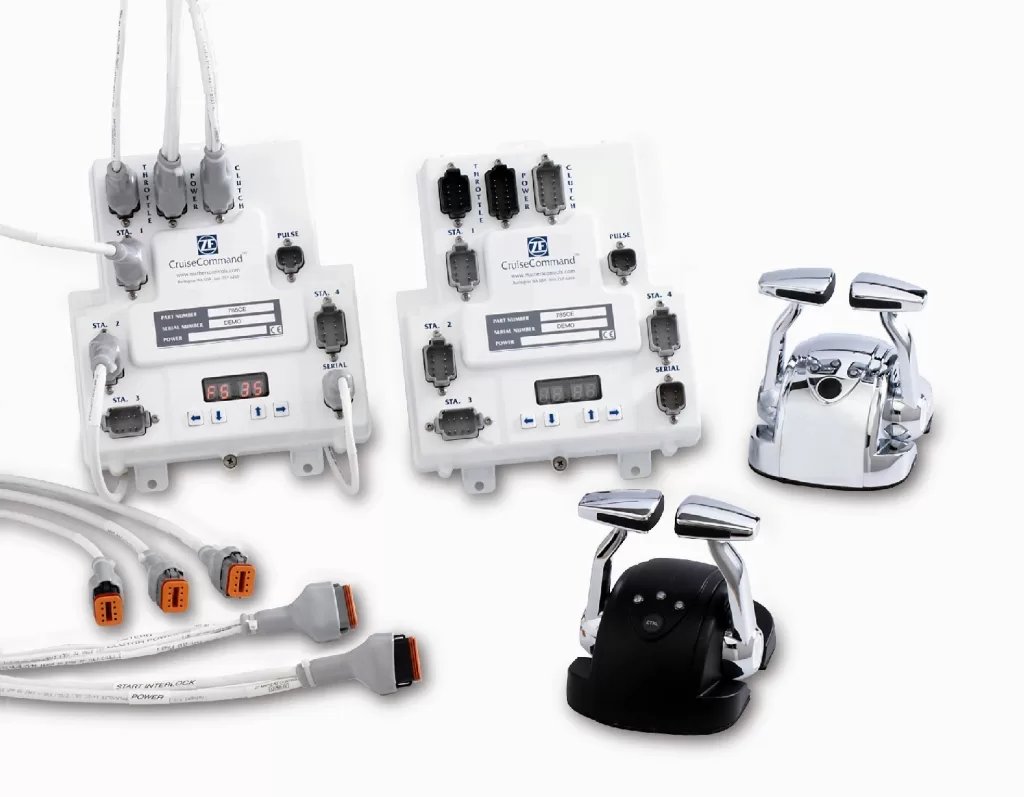
Modern marine electronic engine controls have completely changed how operators manage propulsion systems, docking, throttle response, engine synchronization, and multi-station helm operation. Today’s premium systems integrate engines, transmissions, displays, alarms, CAN bus communication, and vessel-management systems into one connected propulsion platform.
Before replacing expensive transmissions or assuming an engine problem is mechanical, many owners begin with the Master Marine Diesel Troubleshooting Guide to determine whether the fault involves:
electrical communication,
engine-load performance,
propulsion load,
or electronic diagnostics.
Why High-End Electronic Controls Matter
On modern yachts and electronically controlled diesel vessels, propulsion systems no longer operate as isolated mechanical components. Engines, transmissions, synchronization modules, throttle controls, and helm displays now communicate continuously through CAN bus networks and integrated digital control systems.
This integration creates:
smooth throttle response,
precision docking,
reduced operator fatigue,
better fuel management,
improved synchronization,
and enhanced maneuverability in tight marina conditions.
ZF Marine Electronic Propulsion Systems
ZF Marine electronic control systems remain one of the most respected propulsion platforms in the marine industry because they combine reliability, compact design, and sophisticated integration capability.
ZF systems support:
single-engine,
twin-engine,
multi-station,
and commercial-duty propulsion applications while maintaining precise throttle and shift response.
Common ZF applications include:
- Luxury yachts
- Sportfishing boats
- Twin-engine diesel cruisers
- Commercial utility vessels
- Express cruisers
- Flybridge yachts
Many ZF-related troubleshooting calls overlap with:
shift engagement problems,
power-loss diagnostics,
and RPM restriction issues.

Glendinning Electronic Propulsion Controls
Glendinning propulsion systems are extremely popular on larger yachts because they integrate smoothly with electronically controlled engines, electric transmissions, synchronization modules, and joystick systems.
These systems allow operators to maintain precise throttle and shift control even under heavy maneuvering conditions.
Popular Glendinning features include:
- Electronic synchronization
- Multi-station helm transfer
- Integrated docking systems
- Remote throttle operation
- Electronic transmission control
- Advanced propulsion diagnostics
Many electronic propulsion complaints are actually tied to:
engine-load imbalance,
high exhaust temperature,
fuel restriction,
black smoke under load,
or overheating under cruise RPM.

Advanced CAN Bus Integration
Modern propulsion systems depend heavily on CAN bus communication between engines, transmissions, helm controls, alarms, and monitoring systems.
CAN bus faults can create:
- Throttle lag
- Station-transfer failure
- RPM mismatch
- Synchronization faults
- Communication alarms
- Intermittent shift engagement
- Loss of propulsion feedback
These problems are often misdiagnosed as injector, turbocharger, or transmission failure when the actual issue is electronic communication integrity.
Aventics Marex ECS Systems
The Aventics Marex ECS system combines modern yacht styling with highly advanced electronic propulsion integration. The system uses automotive-derived electronic architecture with reliable CAN bus communication and self-diagnostic capability.
The Marex ECS is commonly used on:
premium yachts,
luxury cruisers,
sportfishers,
commercial utility vessels,
and electronically managed twin-engine platforms.
These systems can interface with:
electronic throttles,
electronic transmissions,
alarm systems,
digital monitoring systems,
and advanced helm displays.

Remote Docking & Handheld Control Systems
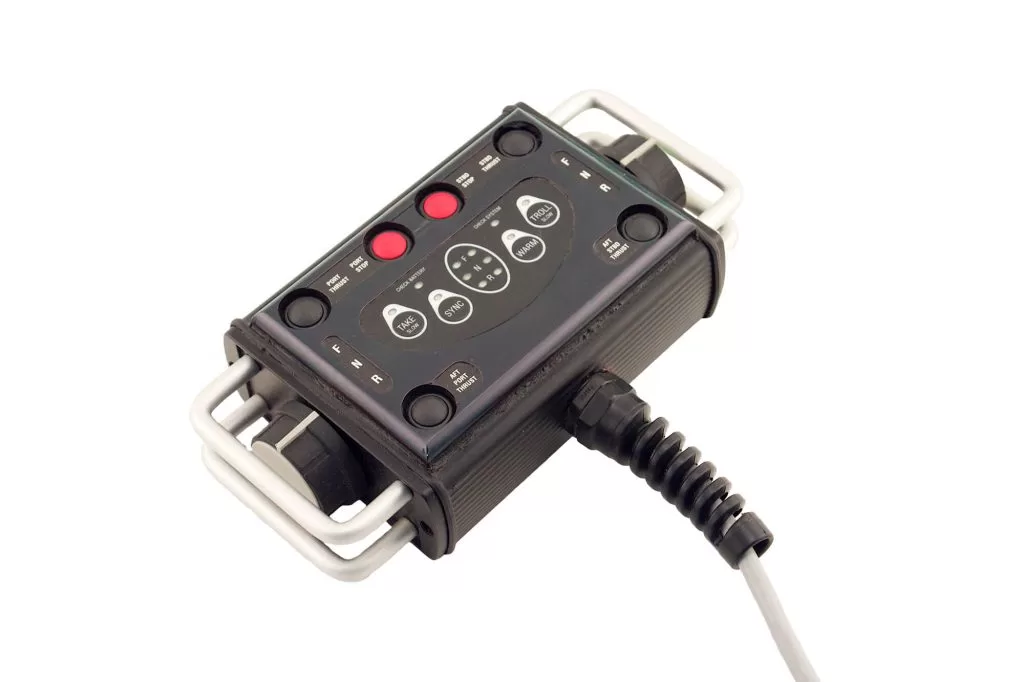
Handheld remote propulsion controls allow operators to maneuver vessels safely during docking and close-quarter marina operation.
These systems are especially valuable on:
large yachts,
sportfishers,
catamarans,
and limited-visibility vessels.
Remote-control integration improves low-speed precision while reducing operator stress in crowded marina environments.
Electronic Propulsion Diagnostics
Modern propulsion diagnostics require evaluating:
electrical systems,
engine performance,
CAN bus integrity,
transmission communication,
fuel delivery,
engine synchronization,
and propulsion load together.
Related advanced diagnostics include:
- Electronic no-start diagnostics
- Voltage-drop testing
- Turbo lag analysis
- Propeller overload diagnosis
- Drivetrain vibration diagnosis
- Smoke diagnosis under load
- Marine engine surveys
- Computerized propulsion diagnostics
Luxury Yacht Propulsion Integration
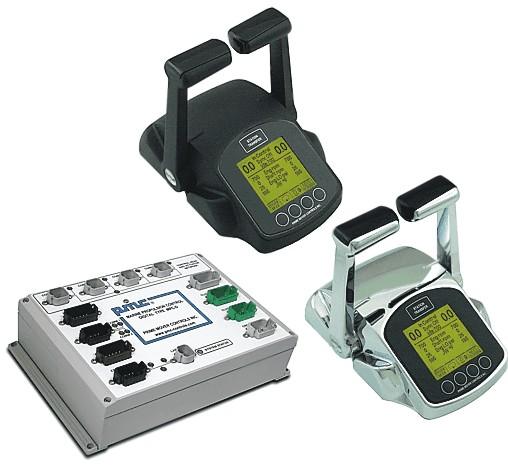
Premium yachts now combine propulsion controls with:
digital switching,
stabilization systems,
joystick systems,
engine synchronization,
thruster integration,
and centralized vessel-management systems.
This level of integration dramatically improves vessel handling while simplifying operation for owners and captains.
On twin-engine vessels, synchronization faults can create:
uneven RPM,
vibration,
fuel imbalance,
exhaust temperature differences,
and reduced docking precision.
Why 805 Marine Diesel Mechanic
805 Marine Diesel Mechanic brings over 30 years of real marine diesel experience including commercial fishing vessels, offshore engine-room work, propulsion troubleshooting, electronic diagnostics, and inboard diesel service throughout Ventura, Oxnard, Santa Barbara, and Channel Islands Harbor.
The focus is not simply replacing parts. The goal is identifying the actual system failure through evidence-based diagnostics and restoring safe, reliable propulsion-system operation.
External Authority Resources
ZF Marine Official Systems |
Glendinning Marine Controls