
Diesel Algae Contamination (Marine Fuel System Diagnosis Guide)
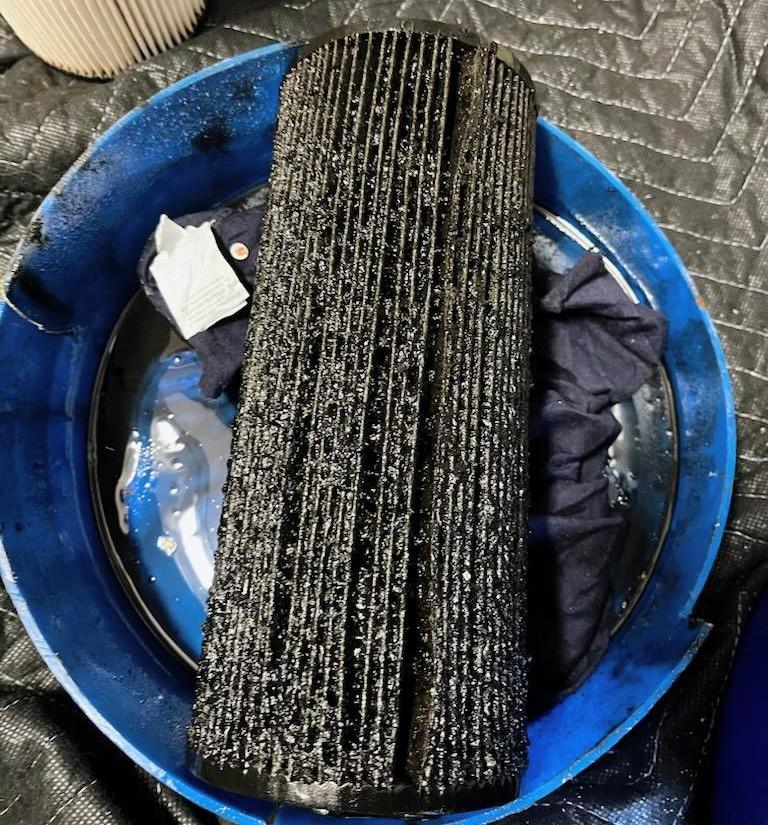
Diesel algae contamination is one of the most common causes of fuel system failure in marine diesel engines. It leads to clogged filters, loss of RPM, surging, hard starting, and in severe cases, complete engine shutdown under load.
At 805 Marine Diesel Mechanic, microbial contamination is routinely diagnosed across Ventura, Oxnard, Channel Islands Harbor, and Santa Barbara—especially in boats that sit unused or operate in high-humidity coastal environments. What many boat owners call “bad fuel” is often a biological growth problem inside the tank.
Start with the Master Marine Diesel Troubleshooting Guide →
What Diesel “Algae” Really Is
Diesel algae is not actually algae. It is a combination of bacteria and fungus that lives at the fuel/water interface inside the tank. These microorganisms feed on hydrocarbons and reproduce rapidly when water is present.
This contamination directly impacts systems covered in the
Fuel System Diagnosis Center and
Smoke & Combustion Diagnosis Center, since restricted fuel flow affects combustion efficiency.
As the organisms grow, they create sludge and debris that clog filters and restrict fuel flow throughout the system.
Why Diesel Algae Keeps Coming Back
Contamination returns because the root cause—water in the tank—is not eliminated. Biocide treatments may kill active growth, but if water remains, new colonies quickly form.
This is why recurring fuel restriction problems often appear alongside issues like
engine starts then dies or
air in fuel system, as system instability increases.
- Condensation inside partially filled tanks
- Deck fill leaks or poor seals
- Long storage periods without circulation
- Warm coastal environments accelerating growth
Top Signs of Diesel Algae Contamination
Fuel contamination rarely shows up as a single symptom. It creates a pattern of restriction and instability across the entire fuel system.
One of the most common signs is repeated filter clogging. If your
Racor filter plugs quickly, especially with dark sludge or debris, contamination is highly likely.
Another key symptom is loss of power under load. Engines affected by contamination often behave like they are running out of fuel, similar to
power loss under load or
low RPM conditions.
Surging at cruise RPM is also common, as inconsistent fuel flow creates unstable combustion. This condition overlaps with
surging diagnostics and can be misinterpreted as injector or turbo issues.
Hard starting, especially after filter changes, may occur due to restriction and air intrusion. This often resembles problems found in
hard starting diagnostics.
Step-by-Step Diesel Algae Diagnosis
Proper diagnosis focuses on confirming contamination and identifying the extent of the problem.
- Inspect Racor bowl and filter element for sludge or discoloration
- Measure fuel restriction using a vacuum gauge
- Pull a bottom-of-tank sample to check for water and debris
- Inspect fuel lines and pickup tubes
- Verify fuel delivery under load
This process should always be compared with
fuel vs air restriction testing to avoid misdiagnosis.
System Interaction (Critical for Accurate Diagnosis)
Fuel contamination affects more than just the fuel system. Restricted fuel flow reduces combustion efficiency, increases exhaust temperature, and can impact turbo performance.
This is why diesel algae issues often appear alongside:
- High exhaust temperature
- Turbo lag and slow spool-up
- Exhaust backpressure issues
- Turbocharger failure symptoms
Understanding these relationships prevents unnecessary component replacement and ensures accurate diagnosis.
How to Fix Diesel Algae Contamination Properly
Effective repair requires more than adding chemicals to the tank. The system must be cleaned and restored to proper operating condition.
- Apply correct biocide treatment
- Remove water contamination
- Clean or polish fuel tank
- Replace Racor and secondary filters
- Inspect fuel lines and fittings
- Re-test restriction under load
Skipping these steps often leads to recurring problems and repeated filter clogging.
Prevention for Ventura & Channel Islands Boats
Preventative maintenance is critical in coastal environments where humidity and temperature cycles promote microbial growth.
- Keep tanks full to reduce condensation
- Drain Racor bowls regularly
- Monitor restriction with a vacuum gauge
- Use preventative fuel treatment when needed
- Run engines regularly to circulate fuel
External Resources
BoatUS Expert Advice |
Yachting Magazine
11 Responses