
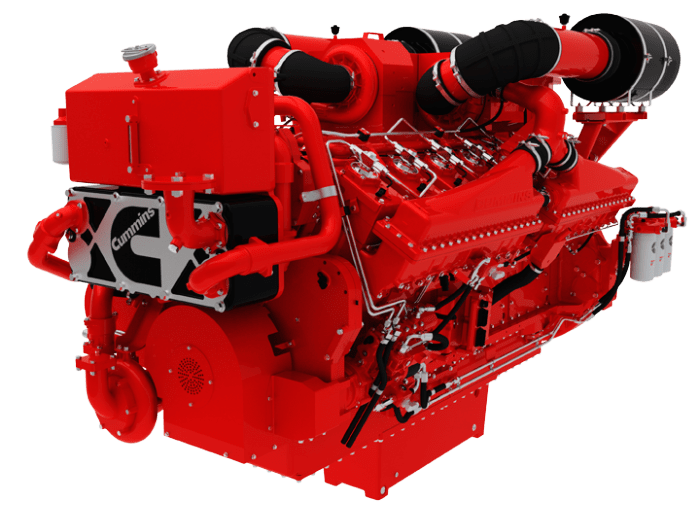
Cummins marine diesel fuel system problems are one of the most common root causes of power loss, rough running, hard starting, and shutdown complaints. This guide breaks down how fuel contamination, restriction, injector performance, air intrusion, and fuel pressure issues affect engine performance so you can diagnose the real problem before costly component damage occurs.
Cummins Marine Diesel Fuel System Problems: Complete Fuel Diagnosis Authority Guide
Fuel system problems are one of the most common causes of marine diesel engine performance issues because every part of the engine depends on clean, stable, properly pressurized fuel delivery. Cummins marine engines such as the 6BTA 5.9, QSB 5.9, QSC 8.3, QSL9, QSM11, QSX15, and X15 rely on precise fuel metering to maintain combustion efficiency, protect injectors, and deliver full rated horsepower under load.
When the fuel system begins to fail, the symptoms often show up as loss of power, rough running, smoke changes, hesitation, or complete shutdown. What makes fuel system diagnosis challenging is that many different issues can create similar symptoms. A clogged filter, contaminated fuel, weak lift pump, injector failure, or air leak can all feel like the same problem from the helm.
At 805 Marine Diesel Mechanic, fuel system problems are diagnosed throughout Ventura, Oxnard, Channel Islands Harbor, and Santa Barbara using a structured approach built from over 30 years of marine diesel experience. This page expands directly from your Master Marine Diesel Troubleshooting Guide and connects fuel system failures into your full diagnostic network.
How Cummins Marine Fuel Systems Work
Cummins fuel systems are designed to deliver precise amounts of diesel under controlled pressure. On modern engines, this includes high-pressure common rail systems managed by electronic controls. On older mechanical engines, fuel delivery is still carefully regulated through pumps and injectors.
- Fuel tank and pickup system
- Primary fuel filtration (Racor systems)
- Secondary engine filters
- Lift pump or supply pump
- High-pressure injection system
- Fuel injectors
- Electronic control system (ECM on newer engines)
If any part of this chain is restricted, contaminated, or leaking air, engine performance drops quickly. This is why fuel problems overlap directly with Fuel System Diagnosis Center and Fuel Contamination & Filtration Issues Center.
Common Cummins Fuel System Symptoms
- Loss of engine power
- Engine hesitation or surging
- Hard starting or long crank times
- Engine starts then dies
- Shutdown under load
- Excessive exhaust smoke
These symptoms often point toward restricted fuel delivery, unstable fuel pressure, or injector performance issues. They also overlap with Boat Engine Losing Power, Engine Starts Then Dies, and Engine Surging at Cruise RPM.
Primary Fuel Filtration Problems
Primary filtration systems such as Racor separators remove water and large contaminants before fuel reaches the engine. When these systems become overloaded, fuel flow is restricted and performance drops quickly.
- Water contamination
- Tank debris and sludge
- Microbial growth (diesel algae)
- Rust particles
Frequent filter clogging is not just a maintenance issue — it is a warning sign of contamination inside the tank. Related page: Racor Filter Troubleshooting Guide.
Secondary Fuel Filter Restrictions
Secondary filters provide fine filtration before fuel enters the injection system. When these filters restrict flow, the engine may run normally at idle but lose power under load.
- Reduced fuel pressure
- RPM limitation
- Hesitation under throttle
- Unexpected shutdown
This is one of the most common causes of “engine feels weak” complaints.
Injector Performance Problems
Injectors control fuel atomization and combustion quality. When injectors wear or become contaminated, the engine loses efficiency and power.
- Poor spray pattern
- Fuel leakage
- Uneven combustion
- Smoke changes
Injector problems often overlap with Smoke & Combustion Diagnosis Center and Black Smoke Diagnosis.
High Pressure Fuel Pump Failures
High-pressure fuel pumps are critical in modern Cummins engines. If the pump fails or weakens, the engine cannot maintain proper fuel rail pressure.
- Hard starting
- Low power output
- Engine derating
- Shutdown under load
This type of failure requires accurate diagnosis to avoid unnecessary injector replacement.
Air in the Fuel System
Air intrusion disrupts fuel delivery and creates inconsistent engine operation. Even small air leaks can cause major symptoms.
- Rough running
- Surging
- Hard starting
- Loss of prime
This connects directly to Air in Fuel System Diagnosis and Fuel System Priming Guide.
When Fuel Problems Look Like Something Else
Fuel system problems are frequently misdiagnosed because they mimic other failures.
- Turbo problems (loss of boost)
- Cooling derate (power reduction)
- Propeller overload
- Electrical shutdown issues
This is why fuel diagnosis must be part of a system-based approach tied into:
Professional Cummins Fuel System Diagnosis
Proper diagnosis requires testing, not guessing. A full inspection typically includes:
- Fuel pressure testing
- Injector performance testing
- Fuel contamination inspection
- Air leak detection
- Fuel system flow verification
Advanced testing is available through the Computerized Marine Engine Survey Diagnostics Center.
Cummins Fuel System FAQ
1. What causes fuel starvation?
Clogged filters, restricted pickup tubes, or air leaks in the system.
2. Can bad fuel cause power loss?
Yes, contaminated fuel reduces combustion efficiency and restricts flow.
3. Can injectors fail from contamination?
Yes, debris and water damage injector components quickly.
4. Why does my engine surge?
Often caused by unstable fuel delivery or air intrusion.
5. Can fuel issues cause shutdown?
Yes, severe restriction can starve the engine completely.
6. Can clogged filters limit RPM?
Yes, restricted flow prevents full engine output.
7. Can air leaks cause rough running?
Yes, air disrupts fuel delivery stability.
8. Can fuel problems cause smoke?
Yes, improper combustion creates smoke issues.
9. Can high-pressure pump failure cause derate?
Yes, low pressure triggers protective behavior.
10. Can tank contamination keep returning?
Yes, unless the source is cleaned.
11. Can fuel issues affect starting?
Yes, especially air leaks and low pressure.
12. Can poor fuel quality damage pumps?
Yes, contamination shortens pump life.
13. Why does it run better after filter change?
Temporary restoration of flow until contamination returns.
14. Can fuel problems mimic turbo issues?
Yes, both cause low power and smoke.
15. Can injector issues cause rough idle?
Yes, uneven fuel delivery affects idle quality.
16. Can electronic faults affect fuel delivery?
Yes, ECM issues can limit injection.
17. Can marine growth in tanks cause problems?
Yes, biological growth clogs filters and injectors.
18. Can fuel restriction damage engine long-term?
Yes, poor combustion increases wear and heat.
19. When should I call a mechanic?
If power loss, shutdown, or repeated filter clogging occurs.
20. Where should I start diagnosis?
Start with the Master Troubleshooting Guide.
One Response