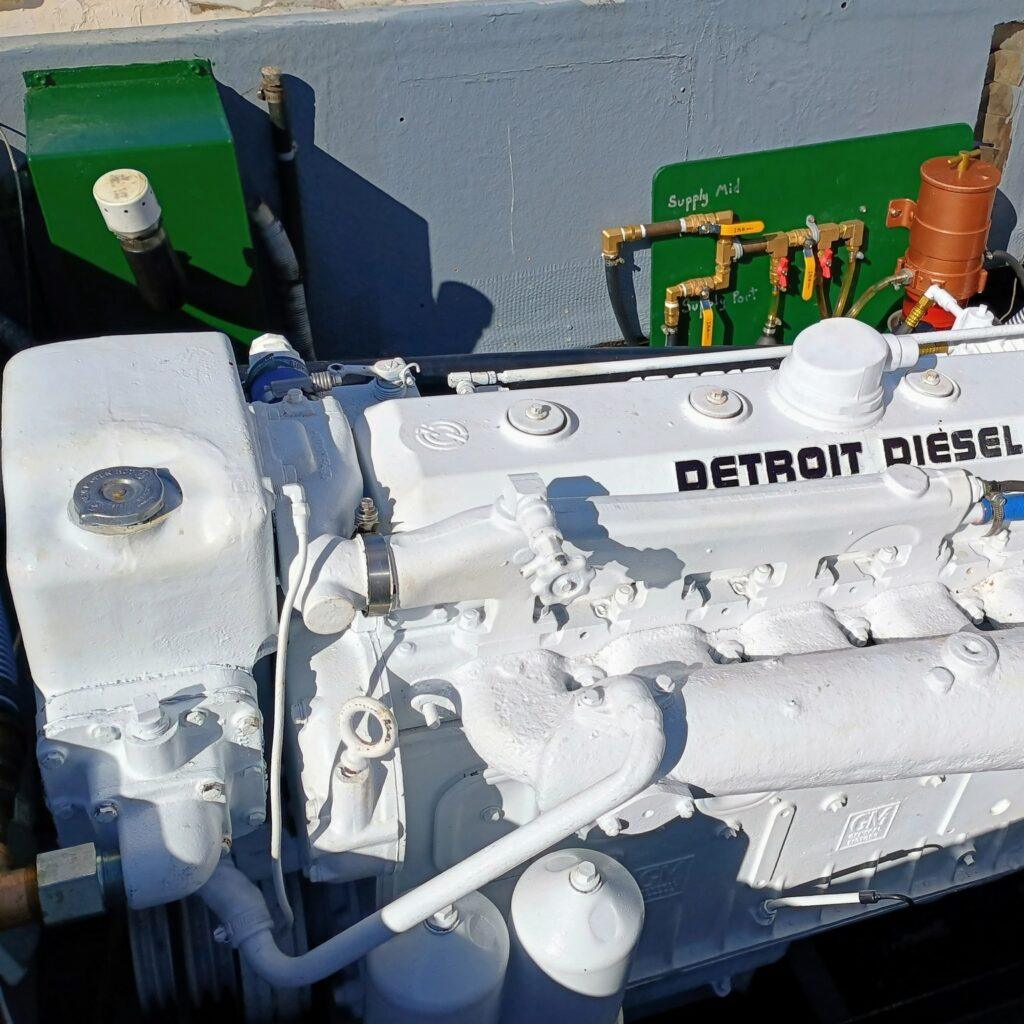
Detroit Diesel marine engine with rough idle diagnosis performed by 805 Marine Diesel Mechanic in Ventura California

Boat Engine Rough Idle – Marine Diesel Diagnosis Guide

If your boat engine has a rough idle, shakes more than normal at the dock, or sounds uneven at low RPM, it usually means something in the fuel, air, or mechanical system is no longer operating correctly. Rough idle is one of the most common early warning signs of marine diesel trouble, and it often shows up before a larger failure develops.

For boat owners in Ventura, Oxnard, Channel Islands Harbor, and Santa Barbara, rough idle complaints are especially common after long layups, fuel contamination events, injector wear, or developing air leaks in the fuel system. In many cases, the engine will still run and cruise, but the unstable idle is telling you the problem is already there.

At 805 Marine Diesel Mechanic, we have over 30 years of hands-on experience diagnosing inboard marine diesel performance problems on Detroit Diesel, Cummins, Caterpillar, Volvo Penta, Yanmar, Perkins, and other major marine diesel engines throughout the Central Coast.

Schedule Rough Idle Diagnosis

What Does Rough Idle Mean on a Marine Diesel Engine?

Rough idle means the engine is not running evenly at low RPM. Instead of a smooth, steady idle, the engine may surge slightly, stumble, shake the boat, smoke, or sound uneven. A marine diesel should idle consistently with stable RPM, normal exhaust tone, and minimal vibration for that engine family.

This page works alongside the Master Marine Diesel Troubleshooting Guide to help isolate whether the issue is coming from the fuel system, injectors, compression, air intrusion, idle settings, or another related system.

Rough idle should never be dismissed as “just an old diesel thing.” While older engines can have a different idle character than newer electronically controlled engines, a noticeable change in idle quality almost always points to a condition that can and should be diagnosed.

Common Symptoms of Boat Engine Rough Idle

Top Causes of Boat Engine Rough Idle

On inboard marine diesel engines, the most common rough idle causes usually start with fuel delivery quality. A small amount of air intrusion, a partially restricted filter, contaminated fuel, or an injector beginning to fail can all create an uneven idle long before the engine becomes a complete no-start.

Step-by-Step Marine Diesel Rough Idle Diagnosis

1. Start With the Fuel System

The fuel system is the first place to look because fuel quality and fuel delivery problems are among the most common causes of rough idle in marine diesel engines. If idle quality changes suddenly or gets worse over time, the engine may not be receiving a stable, properly pressurized fuel supply.

Related internal pages:

2. Check for Air in the Fuel System

Even a very small air leak on the suction side can create unstable idle quality. Air intrusion often causes rough idle, intermittent stumble, hard starting, and occasional shutdown issues. In many cases, the engine may run acceptably under load but idle poorly because the system is less tolerant of tiny inconsistencies at low RPM.

If your engine also has extended cranking or startup issues, compare this symptom with Boat Engine Hard Starting and Boat Engine Won’t Start.

3. Evaluate Injector Condition

Worn, dirty, or dripping injectors are a major cause of rough idle. When injectors lose spray quality, one or more cylinders may not burn fuel cleanly at low speed. That creates an uneven idle, smoke, and vibration. On older mechanical engines like Detroit Diesel platforms, injector balance and adjustment can have a major effect on idle quality.

If rough idle is accompanied by visible exhaust smoke, it should also be compared with your smoke-related content such as Marine Engine Black Smoke Under Load and the related boat symptom pages in this series.

4. Check Idle Speed and Governor Operation

Sometimes rough idle is not caused by a major failure but by incorrect low-idle RPM, governor wear, or control linkage problems. If idle speed is set too low, the engine may sound rough, shake more, and become much more sensitive to minor fuel or injector imperfections.

If the idle seems to rise and fall instead of staying steady, that can overlap with your existing page on Marine Engine Surging at Cruise RPM, especially if the symptom continues into higher RPM ranges.

5. Consider Compression or Valve Train Problems

If fuel delivery checks out and injectors appear normal, the next step is looking at engine condition. Low compression in one cylinder, poor valve sealing, or valve lash issues can create a rough, loping idle. This is especially important on older marine diesels where wear may be gradual and not yet obvious under cruise power.

When rough idle is combined with blue smoke, white smoke, or hard starting, internal wear moves higher on the diagnostic list.

6. Separate True Rough Idle From Vibration Problems

Sometimes what feels like rough idle is actually a vibration problem caused by engine mounts, alignment issues, driveline load, or a cylinder imbalance that is only noticeable through the boat structure. That is why professional diagnosis matters. The issue may sound like fuel trouble from the helm but turn out to be a mount, coupling, or idle-speed setup problem in the engine room.

Why Rough Idle Should Not Be Ignored

Rough idle is often the first stage of a larger marine diesel problem. Left alone, the same issue can progress into hard starting, power loss, shutdown while running, smoke complaints, poor fuel economy, or accelerated engine wear. A boat that “just idles rough” today may become a no-start or emergency service call later.

Preventing Marine Diesel Rough Idle

Most rough idle problems can be reduced or prevented with consistent fuel system maintenance and early diagnosis when symptoms first appear.

Recommended reading:

When to Call a Marine Diesel Mechanic

If your boat engine idles rough consistently, smokes at idle, shakes more than normal, or has related symptoms like hard starting or shutdown, professional diagnostics are the best next step. Rough idle may look minor at the dock, but it often points to a real fault that will only get worse with time.

805 Marine Diesel Mechanic provides expert mobile marine diesel diagnostics throughout Ventura, Oxnard, Santa Barbara, and Channel Islands Harbor. We diagnose rough idle problems at the source instead of guessing and replacing parts blindly.

Request Rough Idle Inspection

Additional Diagnostic Resources

Frequently Asked Questions

What causes a boat engine to idle rough?

The most common causes are air in the fuel system, dirty or restricted fuel filters, injector problems, incorrect idle speed, or low compression in one or more cylinders.

Can bad fuel cause rough idle in a marine diesel?

Yes. Water contamination, microbial growth, or debris in diesel fuel can create unstable combustion and cause rough idle, hard starting, and loss of power.

Can air in the fuel system make a diesel idle rough?

Yes. Even small air leaks can cause unstable fuel delivery, especially at idle and low RPM where the engine is more sensitive to inconsistency.

Can injectors cause rough idle?

Yes. Worn or dirty injectors can create poor atomization, uneven cylinder contribution, smoke, and a noticeable shake at idle.

Why does my engine idle rough but run better at higher RPM?

Many fuel, injector, and compression issues are most noticeable at idle. At higher RPM, the engine may mask the symptom temporarily, but the underlying problem is still there.

Is rough idle a serious problem on a marine diesel engine?

It can be. Rough idle is often an early warning sign of a fuel delivery problem, injector issue, or mechanical wear that can develop into harder starting, shutdowns, or performance loss.

Should I keep running the engine if it idles rough?

If the rough idle is new, getting worse, or accompanied by smoke, vibration, hard starting, or shutdown symptoms, the engine should be inspected before continued operation.

When should I call a marine diesel mechanic for rough idle?

You should call for diagnosis when the idle becomes consistently uneven, the engine shakes more than normal, smoke appears, or other symptoms like hard starting or surging are present.

One Response