
Why Does My Boat Engine Use Too Much Fuel? (Marine Diesel Efficiency Guide)
If your boat is burning more fuel than normal, that’s not just an operating cost issue—it’s a clear sign your engine is no longer running efficiently. Marine diesel engines are designed to be extremely fuel efficient when operating correctly, so increased fuel consumption always points to an underlying problem.
After more than 30 years diagnosing inboard marine diesel engines throughout Ventura, Oxnard, Channel Islands Harbor, and Santa Barbara, we’ve found that high fuel consumption is almost always caused by inefficient combustion, improper fuel delivery, or increased load on the engine.
When fuel usage increases, something in the system is no longer balanced.
Start with the full system:
Marine Diesel Troubleshooting Guide
What High Fuel Consumption Really Means
Fuel efficiency in a diesel engine depends on the balance between fuel delivery, air supply, combustion temperature, and engine load. When any one of these factors is out of range, the engine compensates—usually by burning more fuel.
Diesel engines rely on precise fuel atomization and combustion efficiency (diesel engine fundamentals) and proper air-to-fuel ratios (marine diesel fuel system operation).
When combustion is incomplete or inefficient, fuel is wasted instead of converted into usable power.
1. Over Fueling (Primary Cause)
Over fueling occurs when the engine injects more fuel than it can burn efficiently. This is the number one cause of excessive fuel consumption and is often tied to injector or fuel control issues.
Instead of producing more power, the excess fuel results in incomplete combustion, often accompanied by black smoke and carbon buildup.
- Faulty injectors
- Injection pump miscalibration
- Electronic fuel control faults
👉 Related: Smoke & Combustion Diagnosis Center
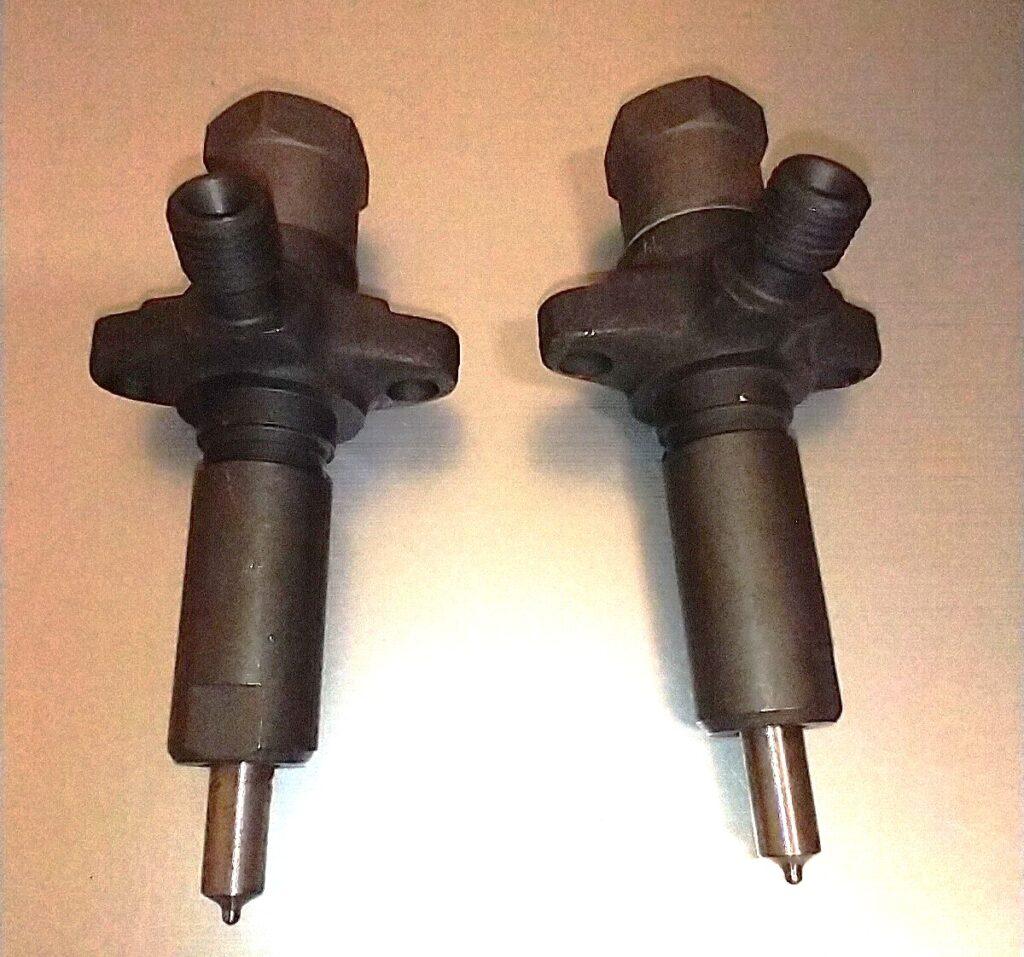
2. Poor Fuel Injector Performance
Injectors must deliver fuel in a fine, controlled mist. When they wear out or become clogged, fuel is not atomized properly, leading to inefficient combustion.
This results in wasted fuel, reduced power, and often visible exhaust smoke. Over time, this also contributes to carbon buildup and internal engine wear.
3. Restricted Air Intake or Turbo Issues
Fuel efficiency depends heavily on proper air supply. If the engine cannot get enough air, it cannot burn fuel completely, leading to increased consumption.
This is especially common with turbocharged engines where boost pressure is critical for proper combustion.
- Dirty air filters
- Turbocharger inefficiency
- Boost leaks
👉 Related: Turbo Systems Diagnosis Center
4. Increased Load (Hull, Prop, Weight)
External load is one of the biggest contributors to fuel consumption. Even a perfectly running engine will burn more fuel if it has to work harder.
Marine growth on the hull, damaged propellers, or excess onboard weight all increase resistance, forcing the engine to consume more fuel to maintain speed.
👉 Related: Engine Losing Power Under Load
5. Fuel System Restrictions
Restrictions in the fuel system disrupt consistent delivery, causing inefficient combustion patterns. The engine may compensate by increasing fuel demand, leading to higher consumption.
- Clogged filters
- Contaminated fuel
- Pickup tube blockage
👉 Related: Fuel System Diagnosis Center
6. Intake Temperature and Aftercooler Issues
Hot intake air reduces combustion efficiency. Aftercoolers are designed to lower intake air temperature, improving combustion quality.
If they are dirty or restricted, fuel efficiency drops significantly.
7. Engine Running Too Cold
Diesel engines must reach proper operating temperature for efficient combustion. Engines running too cool burn fuel poorly and waste energy.
- Stuck thermostat
- Cooling imbalance
👉 Related: Cooling System Diagnosis Center
8. Exhaust Restriction
Restricted exhaust flow increases engine load and reduces efficiency. This forces the engine to burn more fuel to maintain output.
- Clogged mixing elbow
- Carbon buildup
- Collapsed exhaust hose
Step-by-Step Professional Diagnosis
- Inspect injector performance
- Check turbo boost pressure
- Inspect air intake system
- Evaluate hull and prop condition
- Check fuel system restrictions
- Verify engine operating temperature
👉 Advanced diagnostics:
Mechanical Failure Diagnostics
Frequently Asked Questions
1. Why is my boat using more fuel?
This usually indicates inefficient combustion or increased load. Start with the troubleshooting guide.
2. Can injectors increase fuel use?
Yes, poor atomization wastes fuel and reduces efficiency.
3. Does a dirty hull affect fuel consumption?
Yes, increased drag forces the engine to work harder.
4. Can turbo issues increase fuel use?
Yes, reduced airflow leads to inefficient combustion.
5. Is over fueling common?
Yes, especially with injector or fuel control issues.
6. Where should I start diagnosing?
Start with the combustion diagnosis center.
7. Can fuel contamination cause this?
Yes, contamination disrupts fuel delivery.
8. Can cooling issues affect fuel use?
Yes, engines running too cold burn fuel inefficiently.
9. Can exhaust restriction increase fuel use?
Yes, it increases engine load.
10. Should I ignore high fuel consumption?
No, it indicates underlying problems.
11. Can air intake issues cause this?
Yes, insufficient air reduces combustion efficiency.
12. Can weight affect fuel usage?
Yes, heavier loads increase demand.
13. Can prop damage cause this?
Yes, it increases resistance.
14. Is this common?
Yes, especially on poorly maintained vessels.
15. Can I fix this myself?
Basic checks are possible, but full diagnosis may require testing.
16. What is fastest way to diagnose?
Follow the low power guide.
17. Does temperature affect efficiency?
Yes, engines must reach proper temperature.
18. Can injector cleaning help?
Yes, it can restore proper spray pattern.
19. Do you offer mobile service?
Yes, throughout Ventura and surrounding areas.
20. When should I call a mechanic?
If fuel use continues to increase, professional diagnosis is recommended.
2 Responses