
Why Does My Boat Feel Sluggish or Slow to Accelerate? (Marine Diesel Guide)
If your boat feels slow to respond, struggles to get on plane, or takes longer than normal to build speed, you are dealing with a performance imbalance in the system. Marine diesel engines are designed to produce strong torque under load, so when acceleration drops off, it is almost always because power is either not being produced correctly or not being transferred efficiently to the water.
After more than 30 years diagnosing marine diesel engines across Ventura, Oxnard, Channel Islands Harbor, and Santa Barbara, we consistently find that sluggish acceleration is not caused by one single failure. Instead, it is usually a combination of fuel delivery limits, air/turbo inefficiency, excessive propeller load, or drivetrain resistance that only becomes obvious when the engine is asked to accelerate.
In simple terms, the engine is working—but something is holding it back.
Start with the full system here:
Marine Diesel Troubleshooting Guide
What Sluggish Acceleration Really Means
Acceleration problems always come down to one of three things:
- The engine is not producing enough power
- The drivetrain is absorbing or losing power
- The propeller is overloading the engine
Engines from Caterpillar Marine and Cummins Marine Engines are designed to accelerate smoothly under load. If they don’t, the issue must be traced across the entire system—not just the engine.
Common Symptoms
- Slow throttle response
- Delayed planing
- Engine struggles to build RPM under load
- Reduced top speed
- Black smoke during acceleration
Related: Full RPM Guide
Related orphan post: Overheating at High RPM
1. Propeller Load (Most Common Cause)
An overloaded propeller is the number one cause of sluggish acceleration. If pitch, diameter, or blade design is incorrect, the engine must work harder before gaining speed. This creates a “lugging” condition where RPM rises slowly and acceleration suffers.
This is especially common after repowers, prop changes, or when boats gain weight over time. Even a small mismatch can drastically affect performance.
2. Fuel Delivery Problems
Fuel issues often show up during acceleration before they appear anywhere else. When you advance the throttle, the engine demands more fuel instantly. If filters are restricted, lines are partially blocked, or the lift pump is weak, the engine cannot respond quickly.
Related: Fuel System Diagnosis Center
3. Turbocharger & Airflow Problems
Diesel engines rely on airflow for power. If the turbo is not building boost quickly, acceleration suffers. This can feel like hesitation or a slow climb in RPM.
Related: Turbo Systems Diagnosis Center
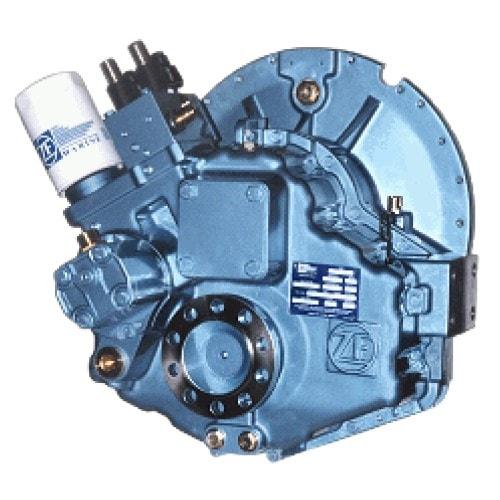
4. Drivetrain Loss or Slippage
Power may be produced but lost before reaching the prop. Transmission slipping, worn couplings, or internal drag can all reduce acceleration.
Related: Grinding Noise Guide
5. Shaft Misalignment
Misalignment increases resistance under load. The engine works harder, but acceleration suffers.
Related: Vibration Guide
6. Hull Drag
Marine growth or a dirty hull dramatically increases resistance. This is one of the simplest and most overlooked causes.
7. Exhaust Restriction
Restricted exhaust reduces engine efficiency and limits power output.
8. Mechanical Engine Issues
Low compression, injector imbalance, or internal wear reduce available power.
Related: Mechanical Diagnostics
9. Excess Weight
Heavy fuel loads, gear, and water reduce acceleration capability.
10. Combined System Problems
Most sluggish acceleration cases involve multiple small issues stacking together.
Step-by-Step Diagnosis
- Check propeller size and condition
- Inspect fuel system
- Test turbo performance
- Evaluate drivetrain
- Inspect hull condition
- Load test the vessel
Related:
Power Loss Guide
Clunk Guide
Why This Should Not Be Ignored
- Engine overload
- Higher fuel consumption
- Carbon buildup
- Reduced engine life
Professional Diagnosis
805 Marine Diesel Mechanic provides mobile diagnostics across Ventura, Oxnard, Channel Islands Harbor, and Santa Barbara with over 30 years of experience.
Frequently Asked Questions
1. Why is my boat slow to accelerate?
This is usually caused by a mismatch between engine power and load. Start with the Marine Diesel Troubleshooting Guide to identify whether the issue is fuel, turbo, or prop-related.
2. Can a propeller cause sluggish acceleration?
Yes, incorrect pitch or diameter is the most common cause. The troubleshooting guide helps confirm whether your prop is overloading the engine.
3. Can fuel problems cause this?
Yes, especially under load. Restricted fuel supply limits acceleration. Use the troubleshooting system to isolate it.
4. Can turbo issues affect acceleration?
Absolutely. Without proper boost, diesel engines feel weak. The troubleshooting guide outlines how to identify turbo-related issues.
5. Is this bad for the engine?
Yes, prolonged overload increases wear. Follow the diagnostic guide to prevent damage.
6. Can drivetrain issues reduce acceleration?
Yes, slipping transmissions or drag reduce efficiency. These are covered in the troubleshooting system.
7. Can hull condition affect acceleration?
Yes, a dirty hull creates drag. This is often overlooked in diagnostics.
8. Can overheating affect acceleration?
Yes, overheating engines lose power. See: Overheating at High RPM
9. Does RPM matter?
Yes, inability to reach RPM indicates load or fuel issues.
10. Will it get worse?
Yes, almost always.
11. Can weight affect acceleration?
Yes.
12. Can exhaust restriction cause this?
Yes.
13. Can injector issues cause this?
Yes.
14. Can alignment issues affect it?
Yes.
15. Should I fix this quickly?
Yes.
16. What is first step?
Inspect prop and fuel.
17. Can I run the boat?
Not recommended.
18. Do I need haul out?
Often yes.
19. Do you offer mobile service?
Yes.
20. Where should I start diagnosis?
Start here: Marine Diesel Troubleshooting Guide
2 Responses