
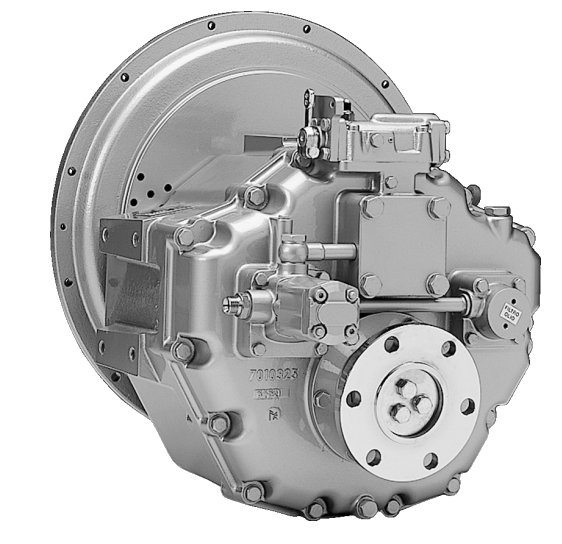
Twin Disc marine transmissions are widely used in both commercial and recreational vessels for their durability and smooth power transfer. However, when symptoms like slipping, delayed engagement, overheating, or vibration appear, the problem often involves hydraulic pressure, clutch wear, or drivetrain alignment issues. This guide walks you through real-world diagnostics based on over 30 years of marine diesel experience.
Twin Disc Transmission Troubleshooting Overview
Twin Disc transmissions rely on hydraulic clutch engagement and precise internal tolerances. When issues develop, they rarely stay isolated to one component. A slipping transmission may be caused by low hydraulic pressure, fluid breakdown, or even upstream engine problems affecting load and torque delivery.
Before assuming transmission failure, always start with the Master Marine Diesel Troubleshooting Guide to avoid unnecessary repairs.
Common Twin Disc Transmission Problems
Delayed Engagement
- Low or aerated transmission fluid
- Hydraulic pressure loss
- Cold start viscosity issues
- Worn clutch packs
Slipping Under Load
- Clutch pack wear or glazing
- Overheated or degraded fluid
- Improper fluid specification
- Internal pressure loss
Hard or Erratic Shifting
- Control valve sticking
- Shift cable or actuator misadjustment
- Pressure spikes in hydraulic system
No Movement in Gear
- Hydraulic pump failure
- Severe clutch failure
- Broken shaft coupling or driveline issue
These problems often overlap with drivetrain-related issues such as shaft spins but boat doesn’t move properly and grinding noise in gear.
Hydraulic Pressure Failures in Twin Disc Systems
Hydraulic pressure is the backbone of Twin Disc operation. Even a small drop in pressure can result in clutch slippage, delayed engagement, or total loss of propulsion.
Common causes of pressure loss include:
- Worn hydraulic pump
- Clogged or restricted filters
- Air entering the system
- Internal seal failure
Air-related issues should also be cross-checked with air in fuel system diagnostics, especially when symptoms overlap with engine performance problems.
Twin Disc Slipping vs Engine Power Loss
A common misdiagnosis is assuming transmission failure when the real issue is engine-related. If the engine cannot produce full power, the transmission may appear to slip under load.
Always compare symptoms with:
This crossover logic prevents unnecessary transmission rebuilds when the root cause is actually fuel, air, or load-related.
Transmission Overheating and Fluid Breakdown
Overheating is one of the fastest ways to damage a Twin Disc transmission. As fluid temperature rises, lubrication fails and clutch materials degrade.
- Restricted transmission cooler
- Cooling system inefficiency
- Incorrect fluid type
- Excessive load conditions
Cooling issues should be evaluated alongside engine overheating diagnostics and cooling system diagnosis center.
Drivetrain vs Transmission Diagnosis
Not all propulsion problems originate in the transmission. Vibration, noise, or poor performance may be caused by downstream components.
Misalignment, worn couplings, or damaged propellers can mimic transmission failure symptoms.
Professional Twin Disc Diagnostic Process
A structured diagnostic process ensures accurate identification of the problem without unnecessary part replacement.
- Fluid condition and contamination inspection
- Hydraulic pressure testing under load
- Shift response and engagement timing
- Drivetrain alignment and coupling inspection
- Cooling system verification
Advanced diagnostics can be supported through the Computerized Diagnostics Center.
Twin Disc Transmission Service & Preventative Maintenance
- Fluid and filter replacement intervals
- Hydraulic system flushing
- Transmission cooler inspection and cleaning
- Shift system calibration
- Clutch pack wear inspection
Routine service is critical for vessels operating in Ventura, Channel Islands Harbor, Oxnard, and Santa Barbara where load conditions vary significantly.
External Reference & Manufacturer Resources
Twin Disc Transmission FAQ
1. Why is my Twin Disc transmission slipping?
Slipping is usually caused by low hydraulic pressure, worn clutch packs, or degraded fluid. Always confirm pressure before internal repairs.
2. Can low fluid cause delayed engagement?
Yes. Low fluid reduces pressure, delaying clutch engagement.
3. Can engine problems mimic transmission issues?
Yes. Use the Master Troubleshooting Guide to confirm root cause.
4. What causes hard shifting?
Control valve issues, cable misadjustment, or hydraulic pressure spikes.
5. Can overheating damage the transmission?
Yes. Heat breaks down fluid and damages clutch materials quickly.
6. Can a clogged cooler cause failure?
Yes. Restricted cooling leads to overheating and internal damage.
7. Why does the boat not move in gear?
Possible causes include clutch failure, hydraulic pump failure, or drivetrain issues.
8. Can contamination affect transmission performance?
Yes. Contaminated fluid reduces lubrication and pressure stability.
9. Should I rebuild or diagnose first?
Always diagnose first to avoid unnecessary rebuilds.
10. Can vibration indicate transmission failure?
Sometimes, but often it is alignment or shaft-related.
11. Can shifting noise indicate internal damage?
Yes, especially grinding or clunking sounds.
12. Is slipping always internal failure?
No. It can be caused by fluid or pressure issues.
13. Can incorrect fluid cause problems?
Yes. Always use manufacturer-specified fluid.
14. Can transmission issues cause RPM loss?
Yes, but engine issues must be ruled out first.
15. How often should fluid be changed?
Typically every 250–500 hours depending on usage.
16. Can air in the system affect operation?
Yes. Air reduces hydraulic pressure stability.
17. What is the first diagnostic step?
Check fluid level and condition.
18. Can electronic controls affect shifting?
Yes, especially on newer vessels.
19. When should I call a mechanic?
At the first sign of slipping, delay, or abnormal noise.
20. Where should I start diagnosis?
Start with the Master Troubleshooting Guide.
With over 30 years of marine diesel experience, 805 Marine Diesel Mechanic provides expert mobile diagnostics throughout Ventura, Channel Islands Harbor, Oxnard, and Santa Barbara.
One Response