

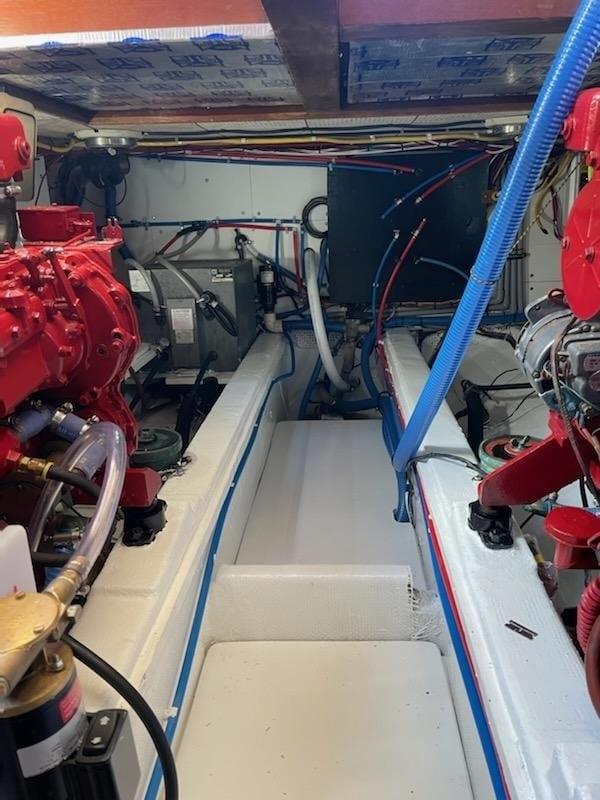
Marine engine painting is more than cosmetic. A clean, properly prepared engine finish helps protect metal from saltwater corrosion, makes leaks easier to spot, and supports long-term serviceability for vessels operating around Ventura, Oxnard, Channel Islands Harbor, and Santa Barbara.
Before painting over rust, oil residue, or old coatings, the engine room should be inspected for underlying issues. Start with the Master Marine Diesel Troubleshooting Guide so leaks, overheating, fuel residue, smoke, or mechanical wear are addressed before fresh paint hides the evidence.
805 Marine Mechanic provides mobile marine engine painting, restoration prep, and related inboard diesel service. Our process focuses on surface prep, corrosion control, safe masking, high-temp coatings, and system checks that keep your engine room clean and functional.
Why Marine Engine Painting Matters
A painted engine is easier to inspect. Oil seepage, coolant stains, fuel leaks, rust trails, and salt deposits show up quickly against a clean finish. That helps owners and trained technicians catch small problems before they become expensive failures.
Saltwater environments are hard on engine blocks, mounts, brackets, pulleys, pumps, manifolds, and fasteners. A good coating system helps slow oxidation and protects surfaces that see heat cycles, moisture, and vibration. For boats with visible corrosion, our marine engine mechanical failure diagnostics process helps separate cosmetic rust from deeper structural or mechanical concerns.
Our Marine Engine Painting Process
Step 1: Degreasing and Surface Prep
Paint will not last on oil film, salt residue, loose rust, or peeling coatings. We begin by cleaning the surface, removing loose scale, masking sensitive components, and preparing the engine for adhesion.
Step 2: Rust Conversion and Corrosion Control
Rust treatment matters before primer or paint. When appropriate, rust converters such as OSPHO rust converter can help stabilize affected metal before coating.
Step 3: Final Cleaning and High-Temp Paint
After prep, the surface is cleaned again to remove residue. We then apply heat-appropriate marine engine coatings, using products similar to Cummins Onan marine generator paint and service support when matching marine white engine finishes.
System Checks Before Paint
Painting is best done after obvious leaks and maintenance issues are corrected. If the engine shows saltwater staining, weak water flow, or overheating marks, we inspect related cooling components through marine seawater pump maintenance and cooling-system service.
If fuel staining or diesel odor is present, the source should be repaired before paint. Common causes include old hoses, filter leaks, loose fittings, and contamination issues like those described in our fuel contamination and filtration issues center.
Smart Add-Ons While the Engine Room Is Open
- Inspect belts, hoses, clamps, and wiring.
- Replace worn impellers or leaking pump seals.
- Clean battery terminals and charging connections.
- Inspect exhaust elbows and water-injection points.
- Check mounts, shaft coupling, and vibration concerns.
If vibration, coupling wear, or driveline movement is present, we may recommend reviewing marine flexible shaft coupling condition before finishing the job. A clean engine bay is useful, but a mechanically sound engine bay matters more.
Local Conditions in Ventura and Santa Barbara
Ventura Harbor, Channel Islands Harbor, Oxnard marinas, and Santa Barbara Harbor all expose engine rooms to salt air, moisture, and seasonal temperature changes. Boats that sit between trips often develop corrosion faster than owners expect, especially around fasteners, brackets, pumps, and painted cast surfaces.
For local support, visit mobile marine mechanic Ventura, boat repair Channel Islands, or marine engine repair Santa Barbara. These location pages help connect painting, diagnostics, and maintenance with the way local boats are actually used.
Care After Engine Painting
- Wipe salt film and oil mist monthly.
- Keep bilges dry and ventilated.
- Touch up chips before rust spreads.
- Inspect hot spots around manifolds and risers.
- Schedule seasonal inspections before corrosion returns.
If fresh paint later shows discoloration, soot, or white deposits, the engine may have a developing problem. Related symptoms can be checked with white smoke at startup, black smoke under load, or overheating at cruise RPM.
Final Thoughts
Marine engine painting is most valuable when it is part of a larger maintenance plan. The goal is not just a better-looking engine room, but a cleaner, safer, easier-to-inspect diesel system.
805 Marine Mechanic provides engine painting, corrosion prep, diagnostics, and related marine diesel service for Ventura, Oxnard, Channel Islands Harbor, and Santa Barbara vessels.
Frequently Asked Questions
Why should I paint my marine engine?
Marine engine painting protects metal from salt, moisture, and corrosion. It also makes leaks, stains, and new problems easier to spot during inspections.
Is engine painting only cosmetic?
No, it improves appearance but also supports corrosion control and service visibility. A clean finish helps technicians identify oil, coolant, fuel, or saltwater issues faster.
What should be done before painting?
The engine should be degreased, inspected, and stripped of loose paint or rust. Any active leaks or overheating problems should be repaired before coating.
Can you paint over rust?
Loose rust should not be painted over because the coating will fail. Rust needs to be removed or converted before primer and paint are applied.
What kind of paint is used on marine engines?
Marine engines need heat-resistant coatings designed for engine-room conditions. The correct product depends on engine temperature, surface material, and color requirements.
How long does engine painting take?
Many small projects can be completed in one to two days. Larger engines or heavy corrosion may require more prep time before paint is applied.
Does painting improve engine performance?
Paint does not increase horsepower or fuel efficiency by itself. It helps protect the engine and makes maintenance problems easier to detect early.
Can engine painting hide problems?
Yes, poor painting can hide leaks, cracks, rust, and overheating marks. That is why inspection and repair should come before paint.
Should leaks be fixed before painting?
Yes, leaks should be repaired before any coating work begins. Otherwise oil, fuel, or coolant will ruin the finish and continue causing damage.
How often should a marine engine be repainted?
Many boats need touch-up or repainting every few years depending on use. Heavy salt exposure, heat, and poor ventilation can shorten the interval.
Can you match my engine color?
In many cases, a close engine-color match can be selected. Exact matching depends on product availability and the original engine paint color.
Is masking important during engine painting?
Yes, masking protects belts, hoses, wiring, sensors, labels, and surrounding surfaces. Poor masking can create service problems or damage sensitive components.
Can you paint the engine at the dock?
Yes, many marine engine painting projects can be completed dockside. Ventilation, masking, access, and weather conditions must be suitable.
What causes paint to peel?
Peeling usually comes from poor prep, oil residue, salt, rust, or using the wrong coating. Heat and vibration can also expose weak surface preparation.
Does saltwater affect engine paint?
Yes, saltwater and salt air accelerate corrosion and coating failure. Regular cleaning and touch-ups help preserve the finish.
Should I repaint before selling my boat?
A clean engine room can improve buyer confidence when the work is done properly. It should not be used to cover unresolved mechanical issues.
Can painting be combined with maintenance?
Yes, painting is a good time to inspect belts, hoses, pumps, wiring, and leaks. Combining services can reduce downtime and improve results.
Do you paint diesel engines only?
805 Marine Mechanic specializes in inboard marine diesel systems. Painting work is usually performed as part of diesel maintenance and restoration support.
What areas do you serve?
Service areas include Ventura, Oxnard, Channel Islands Harbor, and Santa Barbara. Local saltwater conditions are considered during prep and product selection.
How do I schedule engine painting?
You can schedule service through the 805 Marine Mechanic contact page. Include engine photos, vessel location, and any known leaks or corrosion issues.
Schedule Marine Engine Painting
If your engine paint is flaking, rust is spreading, or your engine room needs a cleaner inspection-ready finish, 805 Marine Mechanic can help with mobile service across Ventura, Oxnard, Channel Islands Harbor, and Santa Barbara.