
805 Marine Mechanic supports the Channel Islands, Ventura, and Santa Barbara boating communities with mobile, marina-friendly inboard marine diesel service. Before diagnosing cooling issues or replacing components, start with the Master Marine Diesel Troubleshooting Guide to trace overheating, flow restriction, and system faults correctly across the entire cooling system.
Comprehensive Guide to Marine Seawater Pump Maintenance
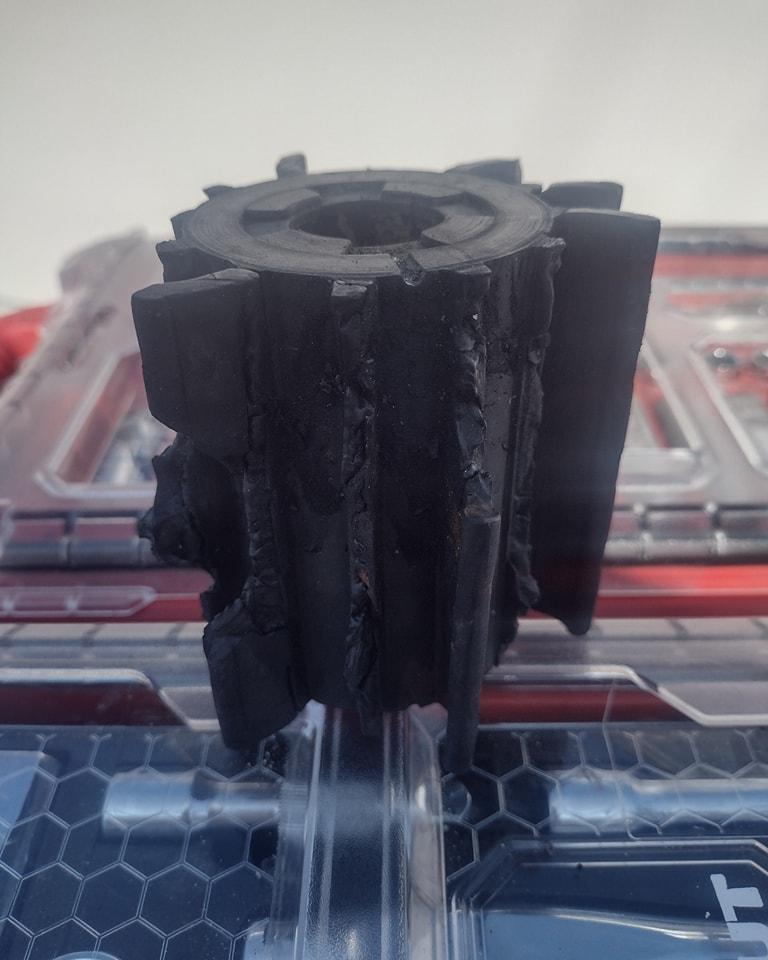
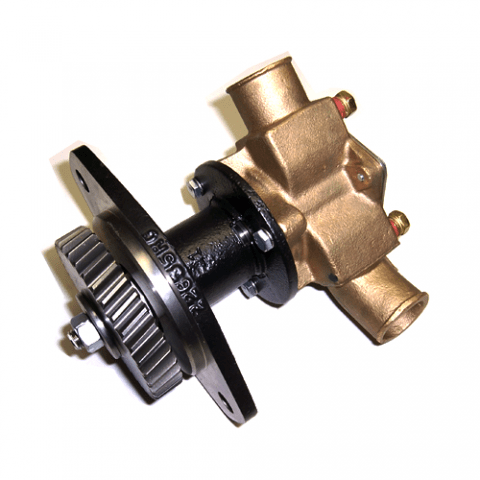
Marine seawater pump maintenance is critical to keeping your engine within safe operating temperatures. The pump drives raw water through the cooling circuit, protecting components like heat exchangers, oil coolers, and exhaust systems.
Cooling system health should always be evaluated as part of a full system review. Related systems like marine engine cooling systems and heat exchanger service must work together to maintain proper temperatures.
Understanding Marine Seawater Pumps
Seawater pumps pull raw water from outside the hull and circulate it through the engine’s cooling path. If flow is restricted, overheating, reduced efficiency, and long-term damage can occur.
Engines that sit unused often develop corrosion and blockage in cooling circuits. Preventive service like fresh water flushing systems helps reduce salt buildup between trips.
Key Maintenance Steps
1. Regular Inspection
Inspect for leaks, corrosion, and wear around the pump housing and shaft. Components like hose clamps and fittings should be checked for integrity and proper sealing.
2. Impeller Replacement
Impellers degrade over time, especially in boats that sit idle. Replace at recommended intervals to maintain proper water flow.
3. Seal and Bearing Check
Worn seals allow water intrusion and reduce efficiency. Bearings should be replaced when noise or shaft movement is detected.
4. Cleaning and Corrosion Control
Salt buildup can restrict flow and damage components. Regular rinsing and cleaning extend pump life.
5. Monitor Pump Performance
Watch for reduced flow, rising engine temperature, or unusual vibration. These are early indicators of failure.

Troubleshooting Common Issues
1. Pump Not Priming
Check for air leaks, intake blockage, or worn impeller components. Even small suction leaks can prevent proper operation.
2. Overheating Engine
Overheating often indicates restricted water flow or cooling system imbalance. Inspect strainers, hoses, and downstream components.
3. Noisy Pump Operation
Noise typically points to worn bearings or alignment issues. This may also indicate deeper drivetrain imbalance.
Advanced System Considerations
Seawater pumps are only one part of the cooling loop. Systems like marine exhaust systems and aftercooler service also affect engine temperature and efficiency.
Alignment and vibration can also impact pump longevity. Components like engine alignment and mounts should be evaluated when premature wear is observed.
Preventative Maintenance Tips
- Inspect strainers and intake regularly
- Replace impellers annually or at service intervals
- Flush systems when applicable
- Monitor temperature trends
- Keep spare parts onboard
Routine maintenance reduces failure risk and extends system life significantly.
Final Thoughts
Marine seawater pump maintenance is essential for reliable cooling and long-term engine performance. Ignoring early signs leads to overheating, reduced efficiency, and costly repairs.
805 Marine Mechanic provides mobile diesel diagnostics and cooling system service to keep your vessel ready for Channel Islands crossings and coastal cruising.
Frequently Asked Questions
What does a seawater pump do?
A seawater pump circulates raw water through the engine cooling system. It helps regulate temperature and prevent overheating.
How often should I replace an impeller?
Impellers are typically replaced every 100 hours or annually. Boats that sit unused may require more frequent replacement.
What causes seawater pump failure?
Wear, corrosion, and lack of maintenance are common causes. Debris and air leaks can also affect performance.
What are signs of a failing pump?
Reduced water flow, overheating, and unusual noise are common signs. Early detection prevents major damage.
Can a bad pump cause engine damage?
Yes, overheating can damage internal engine components. Proper cooling is essential for engine longevity.
Should I carry spare parts?
Yes, spare impellers and gaskets are recommended. They allow quick repairs offshore.
How do I prevent corrosion?
Fresh water flushing and regular cleaning reduce salt buildup. Proper storage also helps prevent corrosion.
Do cooling systems need full inspection?
Yes, all cooling components should be inspected regularly. Pumps, hoses, and exchangers work together.
Can alignment affect pump life?
Yes, vibration from misalignment can damage components. Proper alignment extends system life.
What areas do you service?
Ventura, Oxnard, Channel Islands Harbor, and Santa Barbara. Local conditions influence maintenance needs.
Do you provide mobile service?
Yes, service is performed dockside for convenience. This improves diagnostic accuracy.
What causes overheating?
Restricted flow and cooling system failure are the main causes. Early detection prevents damage.
How often should cooling systems be serviced?
Cooling systems should be inspected regularly based on usage. Heavy use may require more frequent checks.
Can debris block the pump?
Yes, intake debris can restrict flow. Regular inspection prevents blockage.
Do I need a mechanic for maintenance?
Basic checks can be done by owners. Complex issues should be handled by professionals.
Is pump noise a problem?
Yes, noise indicates wear or damage. It should be inspected immediately.
Can poor maintenance cause failure?
Yes, neglect is a major cause of pump failure. Regular maintenance prevents breakdowns.
What is the lifespan of a seawater pump?
Lifespan depends on maintenance and usage. Proper care significantly extends life.
How do I schedule service?
You can contact 805 Marine Mechanic online. Provide details for faster scheduling.
Why is preventive maintenance important?
Preventive maintenance reduces repair costs and downtime. It ensures reliable operation.
2 Responses