
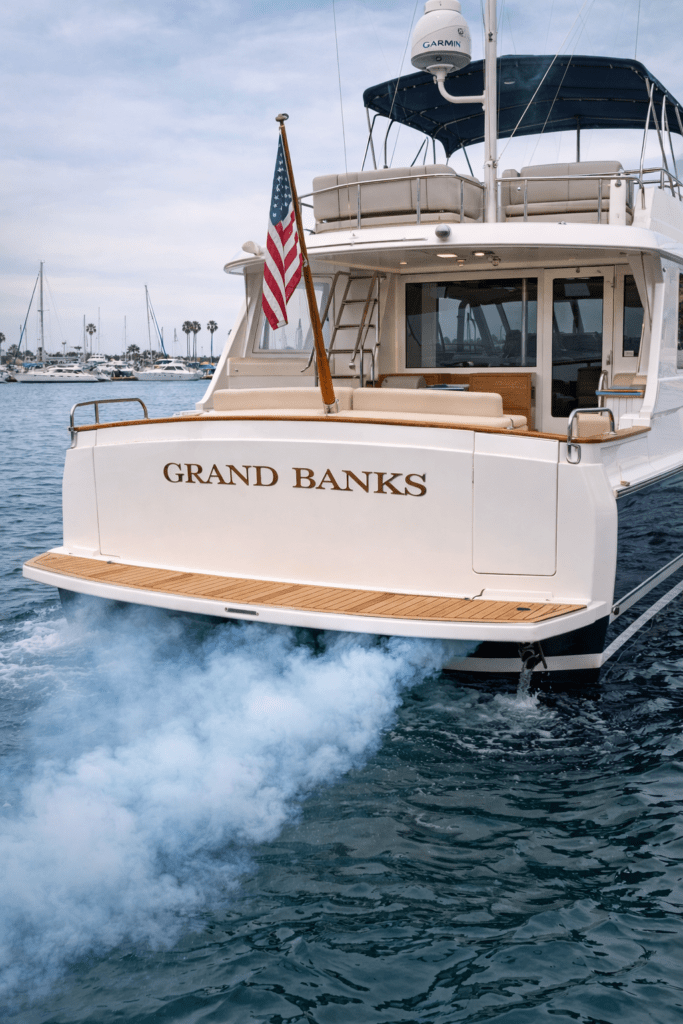
Boat Engine Blowing Blue Smoke – Marine Diesel Diagnosis Guide
If your boat engine is blowing blue smoke, it’s a strong indication that your marine diesel engine is burning oil. Unlike black or white smoke, blue smoke almost always points to internal engine wear or oil entering the combustion process.
This is a critical issue we commonly diagnose throughout Ventura Harbor, Channel Islands Harbor, and Santa Barbara — especially on older inboard marine diesel engines.
With over 30 years of experience, 805 Marine Diesel Mechanic specializes in advanced marine diesel diagnostics, oil consumption issues, and engine performance problems across Ventura, Oxnard, and Santa Barbara.
—
What Does Blue Smoke Mean in a Marine Diesel Engine?
Blue smoke is caused by engine oil being burned in the combustion chamber. This typically happens when oil bypasses seals, piston rings, or valve guides.
This guide expands from your Master Marine Diesel Troubleshooting Guide and ties into real-world engine wear diagnostics.
—
Common Symptoms of Blue Smoke
- Blue or bluish-gray exhaust smoke
- Increased oil consumption
- Oily residue around exhaust outlet
- Loss of engine efficiency
- Smoke increasing under load
—
Top Causes of Blue Smoke
- Worn piston rings
- Valve guide or seal wear
- Turbocharger oil seal failure
- Overfilled engine oil
- Crankcase ventilation issues
—
Step-by-Step Marine Diesel Blue Smoke Diagnosis
1. Check Oil Level & Condition
Start with the basics. Overfilled oil or contaminated oil can contribute to blue smoke.
- Check dipstick level
- Look for fuel dilution
—
2. Inspect Turbocharger (VERY COMMON)
Turbocharger oil seal failure is one of the most common causes of blue smoke in marine diesel engines.
- Oil leaking into intake or exhaust housing
- Excessive shaft play
Related diagnostics:
—
3. Evaluate Engine Compression
Low compression allows oil to pass piston rings into the combustion chamber.
- Worn cylinder walls
- Damaged piston rings
—
4. Valve Guide & Seal Wear
Worn valve guides allow oil to leak into combustion areas.
—
5. Crankcase Ventilation Issues
Excess crankcase pressure can force oil into the intake system.
—
6. Fuel System Check (Secondary Factor)
While blue smoke is oil-related, poor combustion can make it worse.
—
Related Performance Symptoms
Blue smoke is often linked with other issues:
—
Why Blue Smoke Should Not Be Ignored
Blue smoke indicates internal engine wear or oil system issues and can lead to:
- Increased oil consumption
- Carbon buildup
- Turbocharger damage
- Engine failure over time
—
Preventing Blue Smoke Issues
- Maintain proper oil levels
- Perform regular engine inspections
- Monitor turbocharger condition
- Address oil leaks early
Recommended reading:
—
When to Call a Marine Diesel Mechanic
If your engine is consistently producing blue smoke, professional diagnostics are critical to determine whether the issue is minor (turbo seals) or major (internal engine wear).
805 Marine Diesel Mechanic provides expert mobile service throughout Ventura, Oxnard, Santa Barbara, and Channel Islands Harbor.
—
Frequently Asked Questions
What does blue smoke mean?
It indicates oil is being burned in the engine.
Is blue smoke serious?
Yes, it often points to engine wear.
Can a turbo cause blue smoke?
Yes, failed seals can leak oil into combustion.
Can worn piston rings cause blue smoke?
Yes, they allow oil into the cylinder.
Can overfilled oil cause smoke?
Yes, excess oil can be burned.
Will blue smoke reduce engine life?
Yes, if not corrected.
Should I keep running the engine?
No, it should be inspected.
When should I call a mechanic?
If smoke is persistent or worsening.