
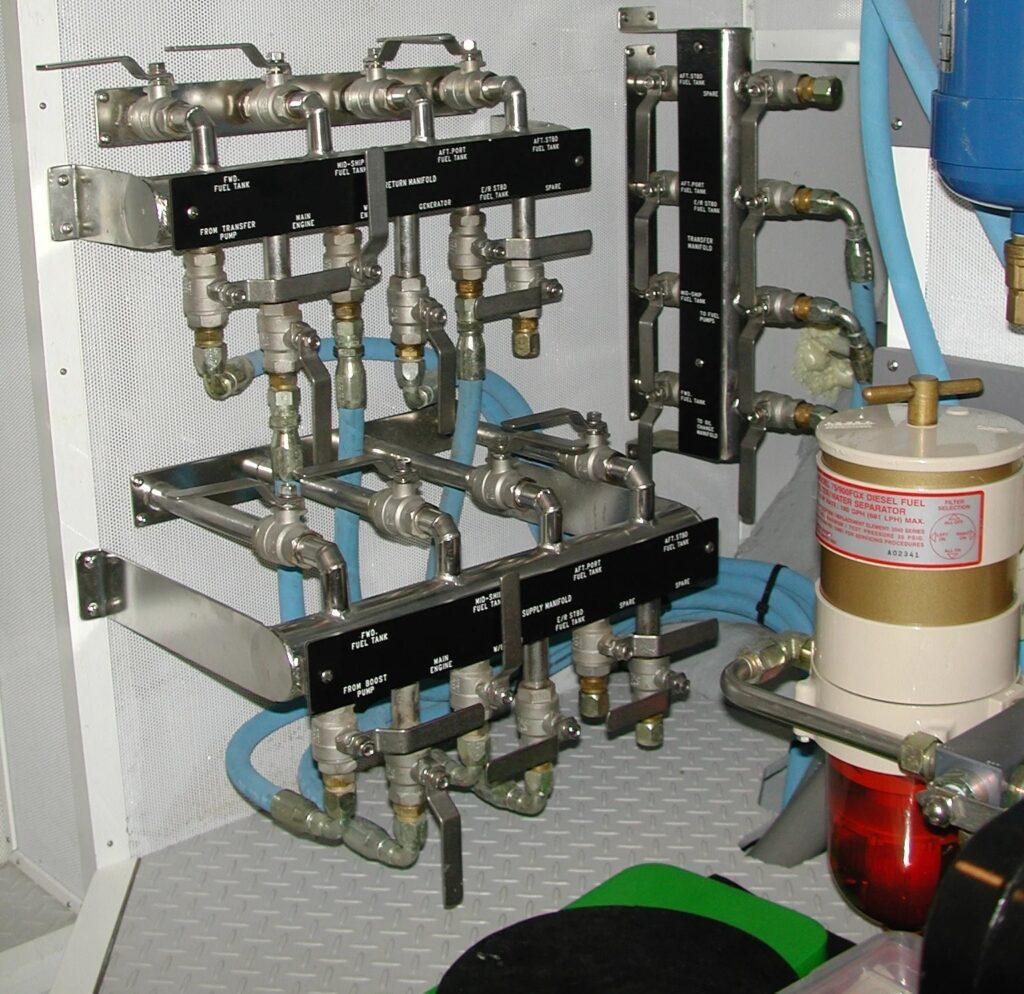
Why Does My Boat Engine Stall When Put Into Gear? (Marine Diesel Guide)
If your marine diesel engine runs normally in neutral but stalls the moment you shift into gear, you are dealing with a load-transition problem that should be diagnosed quickly. This is one of the most important warning signs in marine diesel troubleshooting because it tells you the engine can idle, but it cannot support real propeller load when the drivetrain is engaged.
At 805 Marine Diesel Mechanic, after more than 30 years working on inboard marine diesel engines throughout Ventura, Oxnard, Channel Islands Harbor, and Santa Barbara, we have found that this symptom is most often caused by fuel restriction, air in the fuel system, weak fuel supply, excessive propeller or drivetrain resistance, or idle and control issues that only show up once the engine is asked to work.
In simple terms, the engine may sound acceptable at idle, but the moment real torque demand begins, one part of the system can no longer keep up.
Start with the full troubleshooting system here:
Marine Diesel Troubleshooting Guide
What Stalling When Put Into Gear Really Means
Marine diesel engines from manufacturers such as Caterpillar Marine and Cummins Marine Engines are built to maintain idle stability and transition into load smoothly. When a boat stalls as soon as the transmission is engaged, the problem is usually not random. It means the engine is unable to deliver enough stable power to overcome resistance at the exact moment the driveline begins pulling against it.
- Fuel restriction that only shows up under load
- Air intrusion reducing fuel delivery stability
- Weak lift pump or inadequate fuel supply pressure
- Idle speed set too low to absorb engagement load
- Drivetrain, propeller, or transmission resistance
- Injector, airflow, or combustion imbalance
This is why this symptom should always be approached as a full-system diagnostic problem, not just a quick parts-swap issue.
Common Symptoms That Often Appear With This Problem
- Engine runs fine in neutral
- Engine stalls immediately when shifted into gear
- Idle drops sharply during engagement
- Rough idle before shutdown
- Weak throttle response
- Smoke just before stalling
- Boat feels heavy or loaded down
Related: Power Loss Guide
Related orphan post for this rewrite: Why Does My Boat Engine Start Then Die?
1. Fuel Restriction Is the Top Cause
Fuel restriction is the most common cause of stalling when a marine diesel engine is put into gear. At idle, the engine uses relatively little fuel, so a restricted system can still seem acceptable. The moment the transmission engages and the propeller starts applying real resistance, fuel demand increases sharply. If the system cannot keep up, the engine stalls.
This can come from clogged primary or secondary fuel filters, contaminated fuel, restricted fuel pickup tubes, deteriorating hoses, or debris in the supply side. This is especially common on boats that sit for long periods, recently encountered rough fuel, or have older fuel system components that look fine externally but are restricted internally.
Related: Fuel System Diagnosis Center
2. Weak Lift Pump or Poor Fuel Supply Under Load
The lift pump has to maintain stable fuel delivery when demand rises. If it is weak, inconsistent, or failing, the engine may idle normally but collapse under even modest drivetrain load. This kind of failure can be subtle in the beginning. The boat may only stall occasionally when shifted into gear, then become progressively worse over time.
When diagnosing these engines, it is important to test fuel behavior under actual load conditions, not just judge the system by how it sounds at idle.
3. Air in the Fuel System
Air intrusion is another major cause of stalling when put into gear. Small leaks on the suction side can allow the engine to idle and even rev lightly, but once load is applied the fuel column becomes unstable and combustion falls apart. This often leads to stalling, surging, or sudden RPM collapse.
- Loose fittings
- Cracked hoses
- Leaking seals
- Improperly seated filter gaskets
Air intrusion problems are often overlooked because there may be no obvious visible fuel leak.
4. Overloaded Drivetrain or Propeller Load
Sometimes the engine is healthy, but the drivetrain load is too high. An over-pitched propeller, fouled bottom, shaft drag, line around the prop, or abnormal drivetrain resistance can create enough load to drag the engine below its ability to maintain idle when shifted into gear.
Related: Full RPM Guide
This is why a true diagnosis does not stop at the fuel filters. The engine and the driveline must be evaluated together.
5. Transmission Engagement Problems
If the transmission is applying load too abruptly or inconsistently, the engine may stall even if its core performance is relatively healthy. Hard engagement, internal wear, or abnormal clutch behavior can increase the shock load during shifting. On the boat, that often feels like an engine problem, but the transmission can be part of the root cause.
6. Idle Speed Set Too Low
Idle speed is more important than many owners realize. If idle RPM is set too low, the engine does not have enough rotational reserve to accept the added drag of the propeller and geartrain. This can be the entire cause on some boats, or it can make a marginal fuel or load issue much worse.
Low idle, governor misadjustment, and poor idle control should always be checked as part of the diagnostic sequence.
7. Injector Problems and Uneven Cylinder Contribution
Injectors have to deliver stable, balanced fuel when the engine transitions from neutral into load. If one or more injectors are weak, restricted, or producing poor spray patterns, the engine may stumble and die the moment it needs stronger combustion to hold RPM. In other words, the problem may not be total fuel quantity alone. It may also be how evenly the engine is firing.
Related: Mechanical Diagnostics
8. Turbocharger Lag or Airflow Restriction
On turbocharged marine diesel engines, airflow matters during load transitions. If the air filter is restricted, turbo response is poor, or there is an issue in the air path, the engine may not develop the clean combustion needed to accept load smoothly. While this is usually more obvious at higher demand, a severe airflow problem can still contribute to stalling during engagement.
Related: Turbo Systems Diagnosis Center
9. Severe Exhaust Restriction
Restricted exhaust flow can choke engine efficiency and reduce its ability to carry load. Carbon buildup, restricted elbows, or other exhaust issues can make the engine feel heavy, lazy, and unstable as soon as it is put to work. This is less common than fuel restriction, but it should not be ignored when other checks do not explain the failure.
10. Electrical or Control Problems
Modern diesel engines with electronic controls depend on accurate sensors, stable voltage, and correct module response. If throttle position, load input, or control system behavior is incorrect, the engine may fail to transition properly into load. On electronically managed engines, that means the diagnostic process should also include control-side verification.
Real-World Diagnosis Example
We recently diagnosed a vessel in the Ventura area that stalled every time it was shifted into gear. In neutral, the engine sounded acceptable, which led the owner to think the problem might be transmission-only. After systematic testing, we found a partially clogged fuel filter combined with air intrusion on the suction side. The engine had just enough fuel stability to idle, but not enough to hold load when shifted.
Once the fuel restriction and air leak were corrected, the engine went into gear smoothly and the stalling problem disappeared.
Step-By-Step Professional Diagnosis
- Inspecting primary and secondary fuel filters
- Checking for air intrusion in the fuel supply side
- Evaluating lift pump and fuel supply stability
- Verifying idle RPM and governor behavior
- Inspecting propeller, shaft, and drivetrain resistance
- Testing transmission engagement characteristics
- Checking injector balance and combustion quality
- Inspecting intake, turbo, and exhaust restrictions
- Load-testing the engine under real operating conditions
Related: Vibration Guide
Related: Grinding Guide
Why This Problem Should Not Be Ignored
Stalling when put into gear can create serious handling and safety issues. It can make docking unpredictable, leave you without dependable maneuvering control, and allow fuel or load-related problems to continue damaging engine components. A small issue today can quickly become a larger low-power, no-start, or shutdown problem if it is ignored.
- Loss of control during close-quarters maneuvering
- Unsafe docking or departure situations
- Excessive engine wear from unstable load transitions
- Fuel inefficiency and incomplete combustion
Professional Marine Diesel Diagnosis in Ventura, Oxnard, Channel Islands Harbor, and Santa Barbara
At 805 Marine Diesel Mechanic, we specialize in real-world marine diesel troubleshooting for inboard engines. That means we look at the full system: fuel delivery, air, exhaust, idle quality, transmission engagement, propeller load, and how the boat behaves under actual operating conditions. With more than 30 years of experience, we help owners find the real cause of stalling problems instead of guessing and replacing parts blindly.
We provide mobile service throughout Ventura, Oxnard, Channel Islands Harbor, and Santa Barbara.
Frequently Asked Questions
1. Why does my boat engine stall when I put it into gear?
Usually because the engine cannot support load due to fuel restriction, air intrusion, weak fuel supply, low idle speed, or excessive drivetrain resistance.
2. Is fuel restriction the most common cause?
Yes. A partially clogged filter or restricted fuel supply is the most common reason an engine stalls when load is applied.
3. Can a clogged fuel filter cause stalling in gear?
Yes. The engine may idle normally but stall the moment it needs more fuel under load.
4. Can air in the fuel system cause this problem?
Yes. Air intrusion disrupts stable fuel delivery and often causes stalling, surging, or rough load transition.
5. Can a weak lift pump cause stalling when shifting?
Yes. If the lift pump cannot maintain supply under load, the engine can shut down as soon as gear is engaged.
6. Can idle speed that is too low cause the engine to stall in gear?
Yes. If idle RPM is set too low, the engine may not have enough reserve to handle transmission and propeller load.
7. Can the propeller or drivetrain be the cause?
Yes. An overloaded propeller, fouled bottom, shaft drag, or driveline resistance can stall an otherwise healthy engine.
8. Can a transmission problem feel like an engine problem?
Yes. Hard or abnormal engagement can create a load shock that makes the engine stall.
9. Can injector problems contribute to stalling in gear?
Yes. Poor injector performance can reduce combustion quality during load transition.
10. Can turbocharger issues cause this symptom?
Yes. On turbocharged engines, severe airflow or boost problems can contribute to poor load acceptance.
11. Can an exhaust restriction make the engine stall in gear?
Yes. A serious exhaust restriction can reduce engine efficiency enough to cause stalling under load.
12. Why does the engine run fine in neutral but die in gear?
Because idle demand is low in neutral, but the instant gear is engaged the engine must produce torque against real resistance.
13. Is this dangerous?
Yes. It can create loss of control during docking, maneuvering, or departure.
14. Should I keep running the boat like this?
No. Continuing to operate the engine can worsen the root problem and increase the risk of unsafe handling.
15. Is this usually a fuel problem or a transmission problem?
Most often it is fuel-related, but proper diagnosis should also evaluate the drivetrain and transmission.
16. Can contaminated fuel cause stalling in gear?
Yes. Water, debris, and microbial contamination can restrict supply and destabilize combustion under load.
17. Do electronic control issues ever cause this?
Yes. Sensor or module faults can affect how electronically managed engines respond when shifted into load.
18. What is the first thing a technician should check?
Usually the fuel filters, fuel supply side, and any signs of air intrusion, followed by idle quality and drivetrain load.
19. Do you provide mobile diagnosis for this problem?
Yes. 805 Marine Diesel Mechanic provides mobile inboard diesel diagnostic service throughout Ventura, Oxnard, Channel Islands Harbor, and Santa Barbara.
20. Where should I start if my engine stalls when put into gear?
Start with the Marine Diesel Troubleshooting Guide or contact us to schedule diagnosis.
2 Responses