
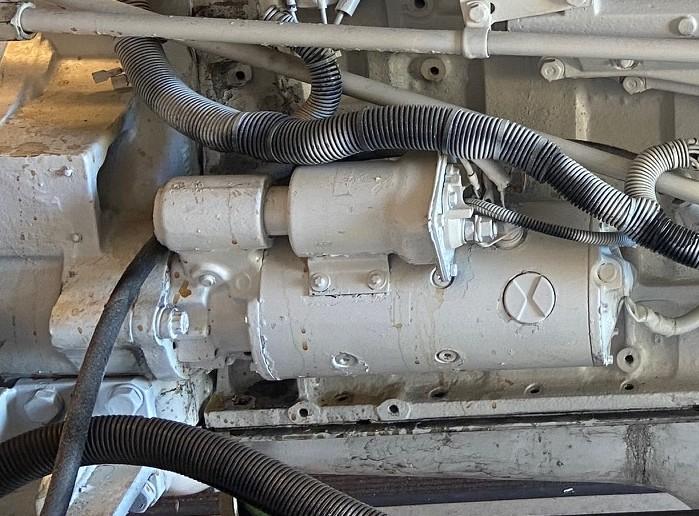
Lugger marine diesel electrical and starter problems can stop a reliable engine instantly. This guide breaks down how to diagnose no-crank, slow-crank, voltage drop, and intermittent starting issues by separating battery condition, cable resistance, starter failure, control circuit faults, and system voltage under load before unnecessary parts are replaced.
Lugger Electrical & Starter Problems: Hard Start, No Crank & Voltage Drop Diagnosis Guide
Lugger marine diesel engines are known for reliability and long service life, but electrical and starting problems can shut them down instantly. Whether the engine will not crank, cranks slowly, or starts and then dies, the root cause is usually not guesswork — it is a measurable failure in voltage, resistance, or component performance under load.
At 805 Marine Diesel Mechanic, Lugger starting and electrical problems are diagnosed throughout Ventura, Channel Islands Harbor, Oxnard, and Santa Barbara using real-world testing methods built from over 30 years of marine diesel experience. This page expands from your Master Marine Diesel Troubleshooting Guide and ties directly into the same structured diagnostic network used across your recently rebuilt Caterpillar and Cummins electrical, shutdown, and fuel-related posts.
Most Common Lugger Starting & Electrical Symptoms
- No crank (clicking, relay chatter, or nothing at all)
- Slow crank (won’t reach cranking RPM)
- Hard start (cranks but struggles to fire)
- Intermittent start (starts sometimes, fails others)
- Starter stays engaged or grinding noise
- Dash resets or alarms during crank
If your Lugger cranks normally but will not start, cross-check fuel delivery using the Fuel System Diagnosis Center and also the recently rebuilt Cummins Fuel Contamination Guide, because fuel and electrical symptoms often overlap.
Why Lugger Engines Depend on Strong Cranking Voltage
Even on mechanically injected Lugger engines, proper starting depends on cranking speed. If cranking RPM drops, compression heat falls, fuel does not ignite correctly, and the engine may appear to have a fuel or injector problem when the real issue is electrical.
This is one of the most common misdiagnoses. A weak electrical system can make a healthy engine feel like it has fuel contamination, injector issues, or even compression problems. This crossover logic is exactly the same pattern seen in recently rebuilt pages like Caterpillar Fuel Contamination and Cummins Low Power & RPM Loss.
Top Root Causes of Lugger Starter Problems
1) Battery Capacity & Condition
- Low reserve capacity for repeated cranking
- Weak or failing battery cells
- Dirty or loose battery terminals
2) Voltage Drop in Cables
- Corroded cable lugs
- Undersized cables
- Heat-damaged wiring
- Poor engine ground strap
3) Starter Solenoid Failure
- Clicking but no crank
- Intermittent engagement
- Burned internal contacts
4) Worn Starter Motor
- Slow crank with good voltage
- High current draw
- Overheating starter housing
5) Control Circuit Problems
- Keyswitch failure
- Neutral safety switch faults
- Relay issues
Professional Lugger Starting System Test Sequence
This is where most DIY troubleshooting goes wrong — guessing instead of testing.
- Battery load test (under real load)
- Cranking voltage at the starter
- Voltage drop test (positive cable)
- Voltage drop test (ground path)
- Solenoid trigger voltage check
- Starter current draw analysis
If your engine starts and then shuts down, cross-check shutdown logic using Marine Diesel Engine Shutdown Causes, which was part of your recent rebuild cluster.
Hard Start vs No Start: Fuel & Air Cross-Check
After confirming strong cranking performance, always cross-check:
- Fuel Contamination & Filtration Issues Center
- Lugger Low Power & RPM Loss
- Turbo System Diagnosis Center
This matches the same diagnostic crossover used in your Cummins and Caterpillar posts — fuel, air, electrical, and load all interact.
Modern Upgrades That Prevent Lugger Starting Failures
- Heavy-duty marine battery cables
- Upgraded ground straps
- Starter relay upgrades
- Protected terminal connections
- Voltage monitoring systems
These upgrades are especially valuable for vessels with long cable runs, commercial use, or frequent engine cycling.
Ventura & Channel Islands Harbor Lugger Electrical Specialist
805 Marine Diesel Mechanic provides mobile Lugger electrical and starter diagnostics throughout Ventura Harbor, Channel Islands Harbor, Oxnard, and Santa Barbara.
We specialize exclusively in marine diesel engines and use real-world diagnostic testing — not guesswork — to identify voltage drop, starter issues, and electrical failures quickly and accurately.
Lugger Starter & Electrical FAQ
1. Why does my Lugger starter just click?
Usually low voltage, poor connections, or solenoid failure. Always test voltage at the starter during crank.
2. What causes slow cranking?
Weak batteries, voltage drop, poor grounds, or worn starter motor.
3. Can voltage drop mimic a bad starter?
Yes. Many starter replacements are actually cable or ground issues.
4. Can bad batteries still show 12.6V?
Yes. Only load testing reveals real battery performance.
5. Can electrical issues look like fuel problems?
Yes. Low cranking RPM reduces combustion efficiency.
6. What is the fastest diagnostic step?
Check voltage at the starter while cranking.
7. Can bad grounds cause intermittent starting?
Yes. Grounds are one of the most overlooked causes.
8. Can a failing alternator affect starting?
Yes. It may not recharge batteries properly between runs.
9. Can starter motors fail gradually?
Yes. Slow cranking is often the first sign.
10. Can cable size affect starting?
Yes. Undersized cables create resistance and voltage drop.
11. Can electrical faults cause shutdown?
Yes. See Shutdown Causes.
12. Can poor connections cause heat?
Yes. Resistance creates heat and reduces performance.
13. Can cranking too long damage the starter?
Yes. Overheating can damage internal components.
14. Can starting problems overlap with fuel issues?
Yes. Always cross-check fuel system condition.
15. Can intermittent issues be wiring-related?
Yes. Vibration and corrosion cause intermittent faults.
16. Can voltage drop be measured?
Yes. It must be tested under load, not visually inspected.
17. Is mobile diagnosis better?
Yes. Testing under real conditions is more accurate.
18. Can this overlap with Cummins/CAT issues?
Yes. Electrical logic is identical across engines.
19. When should I call a mechanic?
If symptoms repeat or worsen, schedule professional testing.
20. Where should I start?
Start with the Master Troubleshooting Guide.
One Response