
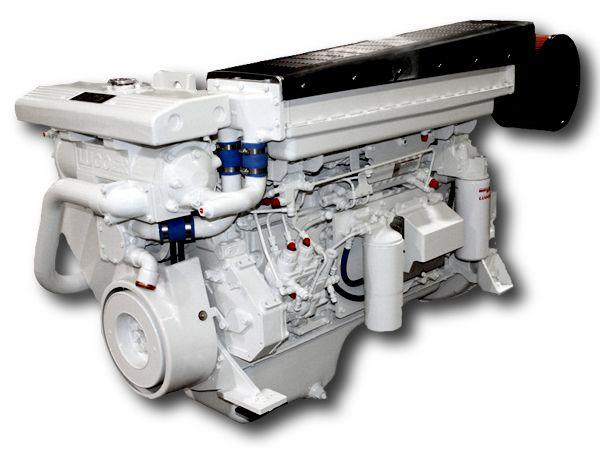
Lugger marine diesel engines are extremely durable, but fuel contamination remains one of the most common root causes of power loss, injector damage, smoke, and unexpected shutdown. This guide explains how to diagnose Lugger fuel contamination and filtration problems by separating restriction, water intrusion, microbial growth, and injector damage before major failures occur.
Lugger Marine Fuel Contamination & Filtration Issues: Long-Range Reliability & Injector Protection Guide
Fuel contamination is one of the most underestimated threats to Lugger marine diesel engines. Whether the engine is mechanically injected or electronically controlled, the entire system depends on clean, stable fuel delivery. Once contamination enters the system, it does not just affect filters — it impacts injectors, pump wear, combustion quality, and overall engine performance.
What makes contamination particularly dangerous is that it often develops slowly. A Lugger engine may run normally at idle and light load while contamination builds in the tank, lines, and filtration system. Once the vessel is pushed to cruise RPM, restriction increases, injector performance drops, and the engine begins losing power, smoking, or hesitating under load.
At 805 Marine Diesel Mechanic, Lugger fuel contamination issues are diagnosed throughout Ventura, Channel Islands Harbor, Oxnard, and Santa Barbara using structured system-based testing developed over 30+ years of marine diesel troubleshooting. Always begin with the Master Marine Diesel Troubleshooting Guide to follow the correct diagnostic path.
How Fuel Contamination Impacts Performance
Contamination affects far more than filtration. It directly impacts:
- Injector spray quality
- Fuel pump wear
- Combustion efficiency
- Turbo performance (through combustion imbalance)
- Engine load capacity and RPM stability
This is why contamination frequently overlaps with other issues you’ve been rebuilding, including Lugger Low Power & RPM Loss, Lugger Turbo & Air System Problems, and Cummins Smoke & Combustion Problems.
Primary Sources of Lugger Fuel Contamination
1) Water Intrusion
- Tank condensation cycles
- Leaking deck fills
- Contaminated dock fuel
2) Microbial Growth (Diesel Bug)
- Sludge formation
- Filter clogging
- Acidic byproducts damaging components
3) Tank Sediment
- Rust particles
- Fuel oxidation deposits
- Debris stirred during rough seas
4) Improper Filtration
- Incorrect micron rating
- Bypassing filters
- Low-quality filtration systems
Fuel restriction should always be verified through the Fuel System Diagnosis Center before assuming injector or pump failure.
Key Symptoms of Lugger Fuel Contamination
- Hard starting
- Loss of RPM under load
- Engine hesitation at cruise
- Black smoke or unstable combustion
- Rough idle
- Unexpected shutdown
Shutdown crossover should be verified in Marine Diesel Engine Shutdown Causes, which is directly tied to fuel restriction and contamination issues.
Why Long-Range Vessels Are High Risk
Lugger engines are commonly used in trawlers and long-range vessels, which increases exposure to:
- Fuel storage degradation
- Variable fuel dock quality
- Condensation cycles in large tanks
This is why contamination problems often appear gradually and are only noticed when the engine is pushed under sustained load.
Fuel Contamination vs Air vs Injection (Critical Diagnosis Step)
This is where many misdiagnoses happen.
A contaminated fuel system can look exactly like:
- Turbo failure (low power + smoke)
- Injector failure (rough idle + imbalance)
- Injection timing issues (hard start + white smoke)
Before replacing injectors or adjusting timing, contamination and restriction must be ruled out. This is the same crossover logic used in your recent rebuilds:
Professional Lugger Fuel Diagnostic Process
- Fuel vacuum testing under load
- Supply pressure verification
- Fuel sampling and analysis
- Injector spray evaluation
- Tank inspection
Advanced testing available through the Computerized Engine Survey Diagnostics Center.
Preventative Fuel System Upgrades
- Dual Racor filtration systems
- Fuel vacuum monitoring gauges
- Fuel polishing systems
- Water separation upgrades
- Tank cleaning programs
These upgrades dramatically reduce the likelihood of injector damage and offshore shutdown events.
Ventura & Channel Islands Harbor Lugger Fuel Specialist
805 Marine Diesel Mechanic provides mobile Lugger fuel system diagnostics throughout Ventura, Oxnard, Channel Islands Harbor, and Santa Barbara.
We specialize in marine diesel fuel contamination detection, injector protection, and long-range reliability.
Lugger Fuel Contamination FAQ
1. Can contaminated fuel damage injectors?
Yes. Contamination causes abrasive wear and poor spray patterns.
2. Can contamination cause RPM loss?
Yes, especially under load when fuel demand increases.
3. Can this overlap with low power problems?
Yes. See Low Power Guide.
4. Can fuel contamination cause smoke?
Yes, especially black smoke from poor combustion.
5. Is dual filtration recommended?
Yes, for redundancy and reliability.
6. Can contamination build slowly?
Yes, most issues develop gradually.
7. Can microbial growth clog filters?
Yes, sludge buildup restricts flow.
8. Can this overlap with Cummins systems?
Yes, see Cummins fuel contamination.
9. Can water in fuel cause shutdown?
Yes, severe contamination can stall the engine.
10. Should tanks be cleaned?
Yes, especially on long-range vessels.
11. Can contamination affect turbo?
Yes, through combustion imbalance.
12. Can fuel problems affect injection timing behavior?
Indirectly yes, through combustion instability.
13. Can contaminated fuel increase fuel consumption?
Yes, inefficient combustion wastes fuel.
14. Can this overlap with Caterpillar fuel issues?
Yes, see Caterpillar fuel contamination.
15. Is mobile diagnosis important?
Yes, load testing is critical.
16. Can rough idle come from contamination?
Yes, due to injector imbalance.
17. Can contamination mimic injector failure?
Yes, very commonly.
18. Should filtration be upgraded?
Yes, especially for offshore vessels.
19. When should I call a mechanic?
When symptoms worsen. Use the contact page.
20. Where should I start?
Start with the Master Guide.