
Diagnose marine diesel low power and loss of RPM conditions using a proven system-based diagnostic process built from over 30 years of real-world Detroit Diesel experience in Ventura, Oxnard, Channel Islands Harbor, and Santa Barbara.
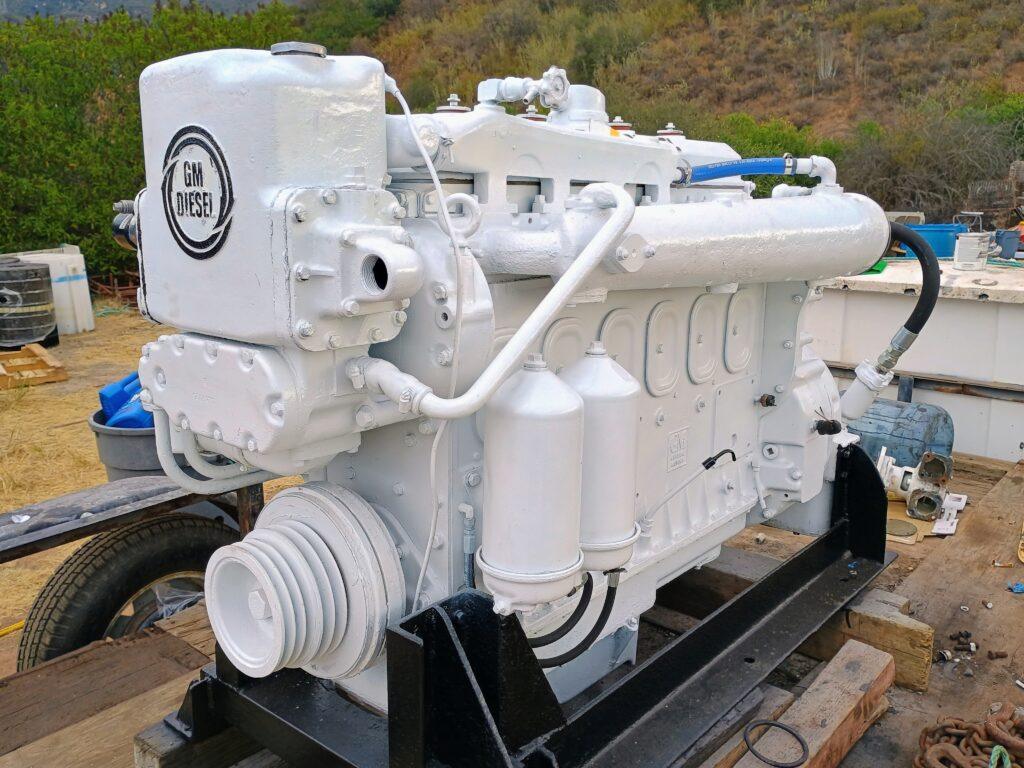
Low Power or Loss of RPM Diagnosis Center (Detroit Diesel Authority)
When a marine diesel engine cannot reach rated RPM or begins to lose power under load, it is almost always a sign of restriction, imbalance, or inefficiency developing somewhere in the system. Detroit Diesel engines are extremely durable, but because of their two-stroke scavenging design, they are highly sensitive to airflow, fuel delivery, and exhaust flow.
The key to diagnosing power loss is understanding that it is rarely a single failure. It is almost always a system issue. This is why a structured approach like the master marine diesel troubleshooting guide is critical to identifying the real cause.
How Power Loss Actually Happens
Engine power is created by a balance between fuel delivery, airflow, exhaust flow, cooling efficiency, and load. When any one of these systems becomes restricted or inefficient, overall engine output drops.
For example, restricted airflow leads to incomplete combustion, which reduces power and increases exhaust temperature. This condition often overlaps with issues covered in the smoke and combustion diagnosis center and the turbo and air system problems center.
Common Symptoms of Power Loss
- Engine will not reach rated RPM
- Reduced boat speed
- Black smoke under load
- High exhaust temperature
- Slow throttle response
Fuel System Restrictions
Fuel restriction is the most common cause of power loss. Even small restrictions reduce injector performance and limit combustion.
Typical causes include clogged filters, contaminated fuel, and restricted fuel lines. These issues are diagnosed in the fuel system diagnosis center and the fuel contamination and filtration issues center.
Air entering the fuel system can also cause unstable performance and RPM loss, as explained in the air in fuel system guide.
Airflow & Blower Problems
Detroit Diesel engines depend on strong airflow for scavenging. Restrictions reduce cylinder filling and immediately reduce power.
Clogged filters, blower wear, and intake restriction can all contribute to power loss. These issues often appear alongside symptoms described in the not reaching full RPM guide.
Turbocharger Failures
Turbochargers increase airflow and boost engine output. When boost pressure drops, engine performance declines.
Turbo-related failures are covered in detail in the Detroit Diesel turbocharger system guide and are often linked to symptoms like black smoke under load.
Need Help Finding the Real Cause? Contact 805 Marine Diesel Mechanic
Exhaust Restrictions
Restricted exhaust flow increases engine load and prevents efficient combustion. This often results in reduced RPM and increased temperature.
Related load-based issues are discussed in loss of power under load.
Cooling System Impact
Engines running hot may reduce output. Cooling system inefficiencies often show up as both overheating and power loss.
See the overheating at high RPM guide and yacht overheating at cruise RPM.
Drivetrain & Propeller Load
Not all power loss is engine-related. Propeller issues and drivetrain resistance can overload the engine.
See shaft spins but boat doesn’t move properly and excessive vibration diagnosis.
Professional Diagnosis
Accurate diagnosis requires fuel pressure testing, boost measurement, airflow inspection, and load analysis. Advanced diagnostics are available through the computerized diagnostics center.
Service Area
Ventura • Oxnard • Channel Islands Harbor • Santa Barbara
Low Power / RPM Loss FAQ
1. Why won’t my engine reach full RPM?
This is usually caused by restriction in fuel, air, or exhaust systems. Start diagnosis using the master troubleshooting guide to isolate the issue.
2. What is the most common cause of power loss?
Fuel restriction is the most common cause. Clogged filters or contaminated fuel limit injector performance.
3. Can clogged filters reduce RPM?
Yes, restricted fuel flow reduces combustion efficiency and power output.
4. How does fuel contamination affect performance?
Contaminated fuel reduces injector efficiency and can clog filters quickly, leading to power loss. See fuel contamination diagnosis.
5. Can air in fuel cause power loss?
Yes, air bubbles disrupt fuel delivery and cause unstable engine performance.
6. Why is there black smoke with power loss?
Black smoke indicates incomplete combustion due to insufficient airflow or excess fuel.
7. Can turbo failure reduce RPM?
Yes, reduced boost limits airflow and lowers engine output.
8. How do I check turbo performance?
Boost pressure testing under load is required to verify turbo output.
9. Can restricted airflow cause power loss?
Yes, airflow restriction reduces combustion efficiency.
10. What does the blower do?
The blower supplies air to cylinders. If worn, engine performance drops.
11. Can exhaust restriction reduce power?
Yes, restricted exhaust increases load and reduces RPM.
12. Why does the engine feel overloaded?
This often indicates excessive resistance or restricted airflow.
13. Can overheating reduce power?
Yes, high temperatures reduce efficiency and output.
14. Can cooling problems cause RPM loss?
Yes, inefficient cooling can reduce performance under load.
15. Can a dirty propeller cause power loss?
Yes, marine growth increases load and reduces RPM.
16. How does prop pitch affect RPM?
Over-pitched props overload engines and reduce RPM.
17. Can drivetrain issues mimic engine problems?
Yes, drivetrain resistance often feels like engine power loss.
18. How do professionals diagnose power loss?
Through fuel pressure, boost, airflow, and load testing.
19. What tests identify the root cause?
Fuel, air, exhaust, and load testing are required.
20. When should I call a mechanic?
If power loss persists, contact 805 Marine Diesel Mechanic.
2 Responses