
Why Is My Boat Making a Whining Noise Under Load? (Marine Diesel Guide)
If your boat produces a high-pitched whining or humming noise under load, you are hearing a symptom—not the root problem. This type of sound almost always comes from rotating components under stress, and it is one of the earliest warning signs that something in the drivetrain, airflow system, or load balance is starting to fail.
After more than 30 years diagnosing marine diesel engines throughout Ventura, Oxnard, Channel Islands Harbor, and Santa Barbara, we have found that whining noise complaints are commonly linked to bearing wear, transmission issues, coupling misalignment, or turbocharger-related airflow problems. The key is understanding why the noise only shows up under load.
In simple terms, something is spinning under pressure—and it is no longer operating smoothly.
Start with the full system here:
Marine Diesel Troubleshooting Guide
What a Whining Noise Under Load Really Means
Marine propulsion systems rely on smooth rotational movement across multiple components. When load is applied—especially at cruise RPM—forces increase dramatically. If any component is worn, misaligned, or improperly lubricated, it begins to produce harmonic noise.
- Rotational friction or bearing wear
- Gear mesh problems inside the transmission
- Misalignment between drivetrain components
- Airflow or turbocharger imbalance
- Load imbalance between propeller and engine
Engines from Caterpillar Marine and Cummins Marine Engines are designed to operate smoothly under load. When whining develops, something is no longer operating within tolerance.
Common Symptoms
- High-pitched whining or humming sound
- Noise increases with RPM
- Only occurs under load (not in neutral)
- May be accompanied by vibration
- Gradual performance loss over time
Related: Vibration Guide
Related orphan post: Engine Surging at Cruise Speed
1. Bearing Wear (Most Common Cause)
Bearings support rotating shafts and gears. When they wear, they no longer rotate smoothly, and a whining or humming noise develops. This often starts subtly and becomes louder over time.
This includes transmission bearings, shaft bearings, and internal drivetrain components. The key indicator is that the noise increases with load because the pressure on the bearing increases.
2. Transmission Gear Noise
Inside the transmission, gears must mesh perfectly. If wear develops or lubrication breaks down, the gear teeth begin to create a whining sound under load. This can be one of the earliest signs of transmission wear.
Related: Transmission Inspection
Related: Grinding Noise Guide
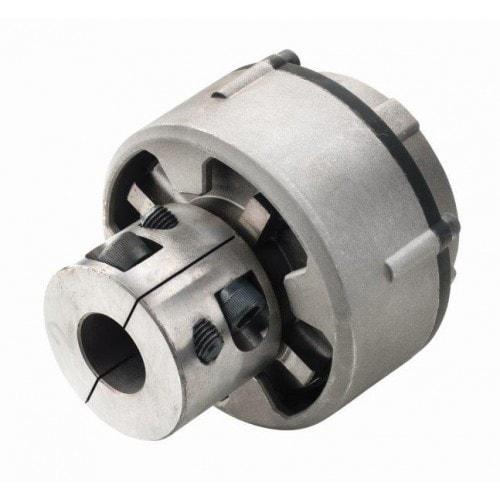
3. Flexible Coupling Wear or Misalignment
Couplings transfer power between the transmission and shaft. If they become worn or misaligned, they create harmonic vibration and noise. This is one of the most overlooked causes of whining under load.
Related: Clunk Guide
4. Shaft Misalignment
Even small misalignment between engine and shaft can create noise under load. At idle, the system may appear fine, but under load, the imbalance creates friction and sound.
Related: Mechanical Diagnostics
5. Turbocharger Whine (Normal vs Problem)
Turbochargers naturally produce some whining sound. However, excessive or changing tone can indicate boost leaks, worn bearings, or airflow restriction.
Related: Turbo Systems Diagnosis Center
6. Propeller Load or Cavitation
If the propeller is overloaded or cavitating, it can create a whining sound in the water flow. This is often mistaken for mechanical noise.
7. Cutlass Bearing Wear
A worn cutlass bearing allows the shaft to move slightly, creating noise and vibration under load.
8. Transmission Fluid Problems
Low or contaminated fluid reduces lubrication and increases internal noise.
9. Air Intake or Induction Noise
Air leaks or restrictions can create a whistling or whining sound under load.
10. Drivetrain Harmonics
At certain RPM ranges, resonance can amplify noise. This is often caused by imbalance or wear across multiple components.
Real-World Diagnosis
A vessel in Ventura developed a whining noise at cruise RPM. The engine ran fine, but the sound increased with load. Diagnosis revealed a worn flexible coupling combined with slight shaft misalignment. Once corrected, the noise disappeared completely.
Step-By-Step Professional Diagnosis
- Identify RPM range of noise
- Inspect bearings and coupling
- Check shaft alignment
- Inspect transmission
- Evaluate turbo performance
- Test under load
Related: Power Loss Guide
Full RPM Guide
Why You Should Not Ignore This Noise
- Bearing failure risk
- Transmission damage
- Shaft damage
- Complete drivetrain failure
Professional Marine Diesel Diagnosis
805 Marine Diesel Mechanic provides advanced drivetrain and noise diagnostics across Ventura, Oxnard, Channel Islands Harbor, and Santa Barbara. With over 30 years of experience, we identify root causes—not symptoms.
Frequently Asked Questions
1. Is whining noise normal?
Light turbo noise can be normal, but increasing noise is not.
2. Can bearings cause whining?
Yes, it is one of the most common causes.
3. Can turbo cause whining?
Yes, especially if worn or leaking.
4. Is this serious?
Yes, it can lead to major failure.
5. Should I fix quickly?
Yes, early diagnosis prevents damage.
6. Can misalignment cause noise?
Yes, especially under load.
7. Can transmission cause whining?
Yes, worn gears often produce this sound.
8. Can cavitation cause whining?
Yes, propeller airflow issues can create noise.
9. Does RPM affect noise?
Yes, higher RPM increases load and sound.
10. Can fluid issues cause noise?
Yes, poor lubrication increases friction.
11. Can coupling failure cause whining?
Yes, especially under load.
12. Can intake leaks cause noise?
Yes, air leaks can whistle or whine.
13. Is this related to power loss?
Often yes.
14. Will it get worse?
Yes, if ignored.
15. Can I run the boat?
Not recommended.
16. What should I check first?
Start with drivetrain and bearings.
17. Do I need haul out?
Often yes.
18. Can vibration be related?
Yes, very common.
19. Do you provide mobile diagnosis?
Yes.
20. Where should I start?
Start here: Marine Diesel Troubleshooting Guide
One Response