
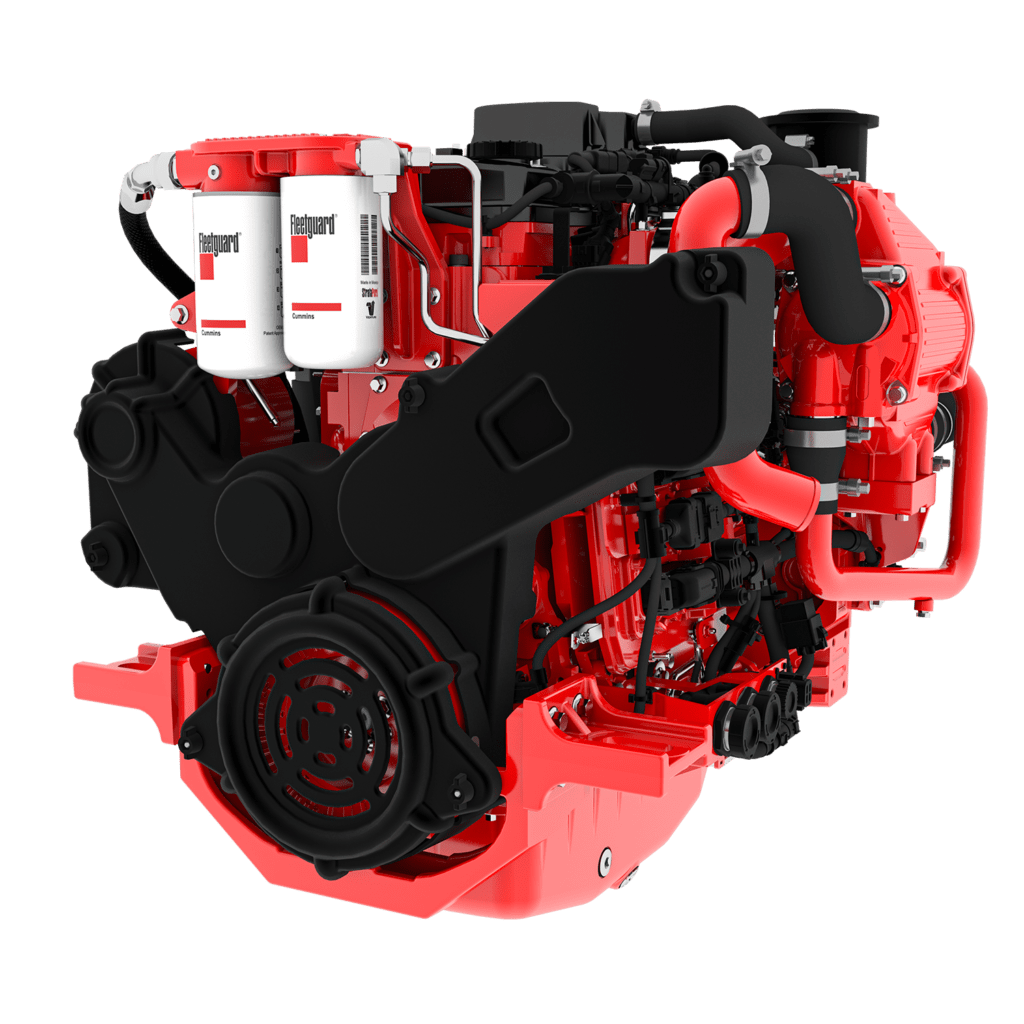
Cummins QSB Fuel System Failures: Hard Start, Power Loss & Injector Protection Guide
The Cummins QSB platform is extremely reliable when fuel supply is stable—but when it isn’t, symptoms show up fast. Hard starts, loss of RPM, surging, and shutdown events are almost always tied to fuel delivery instability, not isolated component failure.
At 805 Marine Diesel Mechanic, serving Ventura, Oxnard, Channel Islands Harbor, and Santa Barbara, QSB issues are diagnosed as a system: fuel, air, load, and electrical—not guesswork.
Start here:
Master Marine Diesel Troubleshooting Guide
How QSB Fuel Systems Fail (Real-World Logic)
QSB engines depend on stable low-pressure supply feeding a high-pressure common rail system. When supply pressure drops—even slightly—the high-pressure system becomes unstable. This creates poor combustion, which shows up as performance issues.
Most failures begin with restriction or air intrusion. These issues don’t always show at idle, but under load they limit fuel delivery and reduce engine output.
Diagnose through:
Fuel System Diagnosis Center
Hard Start & No Start Conditions
Hard starts are usually caused by air intrusion or low supply pressure. Air compresses, preventing rail pressure from building during cranking. Restriction increases vacuum and pulls more air into the system.
Related failures:
No Start After Filter Change
Air in Fuel System
Power Loss Under Load
At cruise RPM, fuel demand increases. If supply cannot keep up, combustion weakens and RPM drops. This is commonly misdiagnosed as turbo or propeller issues.
Cross-check:
Loss of Power Under Load
Turbo Diagnosis Center
Surging & Instability
Surging indicates fluctuating fuel pressure. Partial restriction or intermittent air entry causes unstable injector output.
Related:
Surging at Cruise RPM
Contamination & Injector Damage
Water or debris damages injectors quickly due to tight tolerances. Poor spray patterns increase exhaust temps and reduce efficiency.
Guide:
Fuel Contamination
Misdiagnosis: Turbo, Cooling & Load
Fuel issues mimic turbo failure, overheating, and drivetrain load problems. Always rule out fuel before replacing major components.
Compare:
Cooling System
Shutdown Causes
Advanced Diagnostics
Proper testing includes vacuum measurement, supply pressure tracking, and return flow analysis. Electronic data confirms real-time system behavior.
Advanced:
Diagnostics Center
Preventative Upgrades
Dual Racor filtration, vacuum gauges, and regular tank maintenance prevent most failures. Monitoring restriction before it impacts performance is critical.
External:
Cummins Marine
Fleetguard Filtration
Local Cummins QSB Specialists
805 Marine Diesel Mechanic provides mobile QSB diagnostics across Ventura, Oxnard, Channel Islands Harbor, and Santa Barbara.
FAQ
1. What causes QSB hard starts?
Most hard start issues come from air intrusion or low supply pressure. These prevent proper rail pressure from building during cranking, especially after filter changes or suction leaks.
2. Can fuel restriction cause power loss?
Yes, restriction limits fuel delivery under load. This reduces combustion efficiency and mimics turbo or propeller issues.
3. Why does my engine surge at cruise?
Surging is caused by unstable fuel pressure. It usually points to partial restriction or intermittent air entering the system.
4. Can air in fuel damage injectors?
Yes, air reduces lubrication and causes unstable combustion, which can increase wear over time. See air in fuel diagnosis.
5. What is the most common QSB failure?
Fuel supply issues—restriction, contamination, or air leaks—are the most common root causes behind multiple symptoms.
6. Can contamination destroy injectors?
Yes, even small amounts of water or debris can damage injectors quickly due to tight tolerances.
7. Why does it run fine at idle but not under load?
Low demand at idle hides restriction. At load, the system cannot supply enough fuel, causing power loss.
8. Can this cause engine shutdown?
Yes, loss of fuel pressure can trigger shutdown events. See shutdown causes.
9. Can electrical faults mimic fuel problems?
Yes, sensor or voltage issues can create false symptoms, but true power loss is usually fuel-related.
10. Should I replace injectors first?
No—always confirm fuel supply stability first. Replacing injectors without fixing supply issues will not solve the problem.
11. What is vacuum testing?
Vacuum testing measures restriction on the suction side. High vacuum indicates clogged filters or pickup issues.
12. Can filter changes cause problems?
Yes, improper sealing can introduce air. See no start after filter change.
13. Why does RPM drop under load?
Fuel demand exceeds supply, causing pressure loss and reduced combustion efficiency.
14. Can fuel issues cause smoke?
Yes, poor combustion can lead to black smoke under load. See black smoke guide.
15. How do I prevent failures?
Use proper filtration, monitor vacuum, and maintain clean fuel systems.
16. What is return flow testing?
It evaluates injector balance and system pressure stability.
17. Can lift pump failure cause this?
Yes, weak supply pressure leads to hard starts and power loss.
18. Should I monitor fuel pressure?
Yes, monitoring helps catch issues early before performance drops.
19. Can multiple systems be involved?
Yes, fuel issues often overlap with air, load, and electrical systems.
20. Where should I start diagnosis?
Start with the Master Troubleshooting Guide and follow fuel pathways first.