
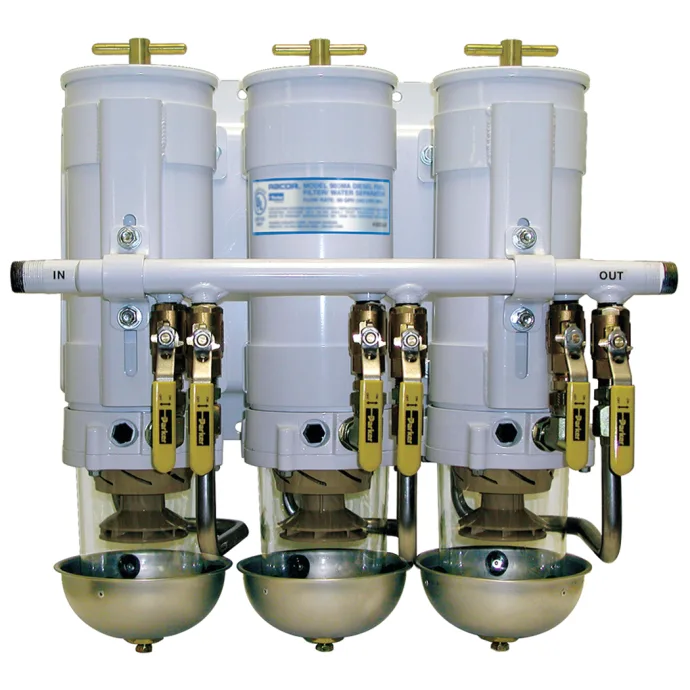
Marine Diesel No Start After Fuel Filter Change — Complete Troubleshooting Guide
Quick Technical Diagnosis Summary: When a marine diesel engine will not start after a fuel filter replacement, the most common cause is air trapped in the fuel system preventing injection pressure from building. Improper priming, incorrect filter installation, damaged seals, or fuel system leaks can all introduce air and stop combustion.
At 805 Marine Diesel Mechanic, no-start conditions after filter changes are one of the most frequent service calls across Ventura, Oxnard, Channel Islands Harbor, and Santa Barbara. This guide explains how trained technicians diagnose fuel delivery problems following maintenance on Caterpillar, Cummins, Detroit Diesel, Yanmar, and other marine engines.
Why Fuel Filter Changes Can Cause Starting Problems
Marine diesel fuel systems rely on maintaining positive fuel pressure without air pockets. During filter replacement, even small amounts of air introduced into the system can prevent injectors from delivering fuel into the combustion chamber.
1. Air Trapped in Fuel Lines (Most Common Cause)
- Filter not pre-filled with fuel
- Air introduced during installation
- Incomplete bleeding or priming procedure
If air remains in the system, injection pressure cannot build and the engine will crank without firing.
2. Incorrect Filter Installation
Common issues include:
- Damaged O-rings or seals
- Cross-threaded filters
- Wrong micron rating restricting flow
Even minor sealing problems allow air intrusion during cranking.
3. Improper Priming Procedure
After replacing filters, systems must be fully primed to remove air. Depending on engine type, this may involve manual lift pumps, electric priming pumps, or bleeding at injector lines.
Learn more about marine fuel system care at BoatUS.
4. Clogged or Contaminated Fuel System
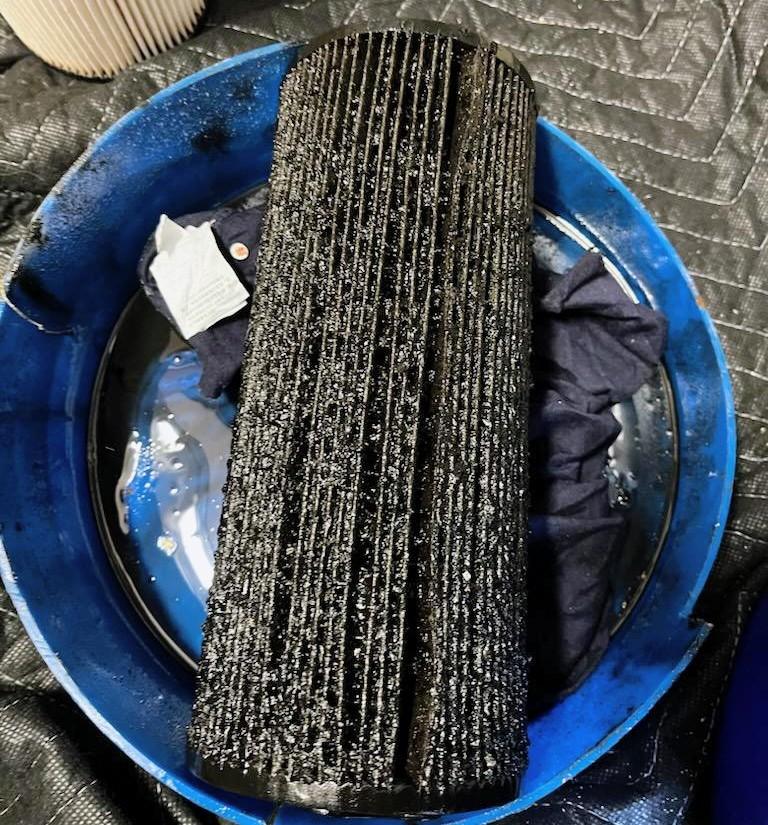
Changing filters may expose underlying fuel contamination issues. Heavy algae growth or debris can immediately clog new filters.
5. Fuel Shutoff Valve Closed or Misconfigured
Simple oversights like closed valves or incorrectly positioned manifold valves can prevent fuel delivery.
6. Fuel Lift Pump Unable to Reprime System
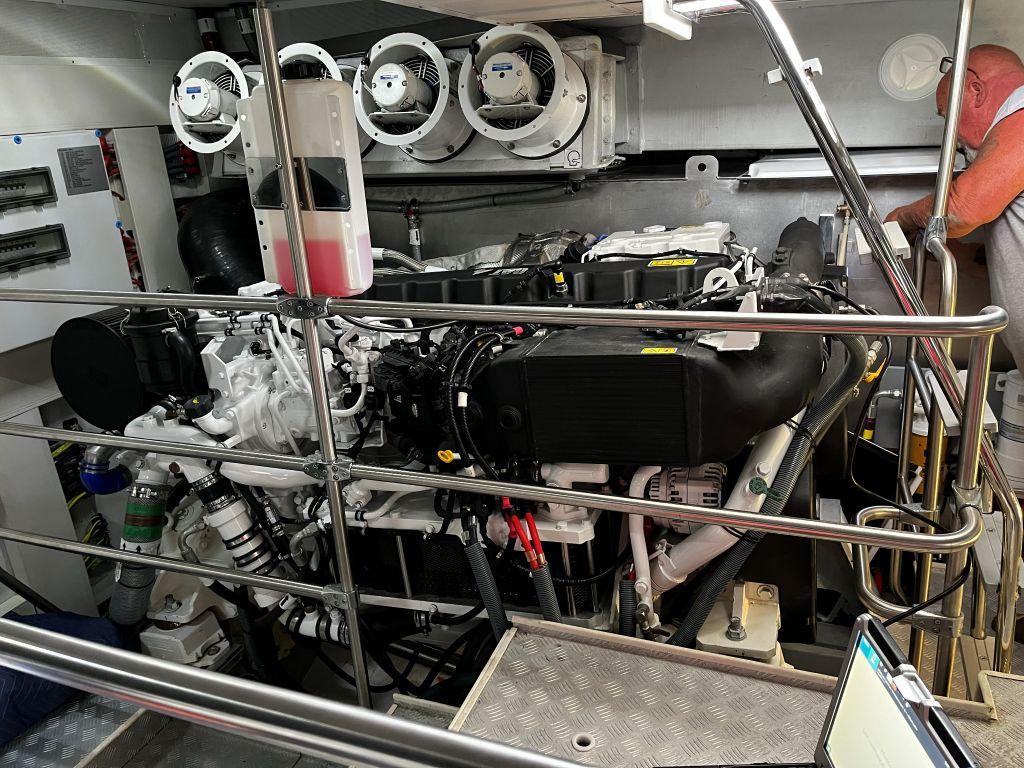
Older mechanical pumps may struggle to remove air introduced during filter replacement, requiring manual bleeding.
7. Electrical Shutdown or Sensor Issues
Electronic engines may prevent starting if fuel pressure sensors detect abnormal conditions.
Professional Marine Diesel Diagnosis in Ventura & Channel Islands Harbor
Proper troubleshooting includes verifying fuel pressure, checking for air leaks, confirming filter installation, and ensuring complete system priming. Our trained technicians provide mobile marine diesel service throughout Ventura County and Santa Barbara.
Continue Troubleshooting
- Marine Diesel Cranks But Won’t Start
- Engine Turns Over But No Smoke From Exhaust
- Fresh Water Flushing
- Master Marine Diesel Troubleshooting Guide – 805 Marine Diesel Mechanic
Advanced Fuel System Diagnostics After Filter Replacement
If your marine diesel engine still will not start after replacing fuel filters, the issue often goes deeper than simple air intrusion. Modern fuel systems—especially on engines like Caterpillar, Cummins, and Yanmar—require consistent fuel pressure, clean delivery, and complete system sealing to operate correctly.
One of the most overlooked issues is micro air leaks on the suction side of the fuel system. Even when no visible fuel leaks are present, loose fittings, worn hoses, or improperly seated seals can allow air to enter under vacuum conditions. This results in hard starting, extended cranking, or complete no-start conditions.
Start by inspecting all fittings between the fuel tank and lift pump. Pay close attention to Racor housings, banjo fittings, and hose clamps. If needed, reference our
Fuel System Diagnosis Center
for a full breakdown of fuel flow testing and restriction identification.
Fuel Pressure Verification & System Integrity
Professional diagnostics go beyond visual inspection. A trained technician will verify:
- Fuel supply pressure at the injection pump
- Vacuum levels on the suction side
- Return fuel flow consistency
- Air presence using clear diagnostic lines
If your engine cranks but produces no exhaust smoke, it is a strong indicator that fuel is not reaching the combustion chamber. In this case, continue diagnosis here:
Engine Turns Over But No Smoke From Exhaust.
When Fuel Contamination Is the Root Cause
Replacing filters can sometimes uncover deeper contamination problems. If your old filter was heavily clogged, there is a high likelihood of:
- Diesel algae growth in the tank
- Water intrusion causing microbial contamination
- Debris repeatedly clogging new filters
In these cases, simply replacing filters will not resolve the issue. You may need full system cleaning and tank polishing. Learn more in our
Fuel Contamination & Filtration Issues Center.
Electronic Engine Considerations
On electronically controlled engines, fuel system faults may trigger ECU protection strategies. Low fuel pressure, sensor faults, or improper priming can prevent injector activation entirely.
If your engine has electronic controls, additional diagnostics may be required. See:
Electrical & Starting System Diagnosis Center.
Real-World Diagnosis Approach (30+ Years Experience)
Advanced Fuel System Diagnostics After Filter Replacement
If your marine diesel engine will not restart after changing fuel filters, the issue is almost always related to fuel delivery integrity. Marine diesel systems rely on maintaining consistent pressure without air intrusion, and even small disruptions during service can prevent proper injector operation.
One of the most common hidden issues is micro air leaks on the suction side of the system. These leaks often do not show visible fuel loss but instead allow air to be drawn into the system under vacuum. This results in extended cranking, intermittent starting, or complete no-start conditions.
Start by inspecting all connections between the fuel tank and lift pump, including Racor housings, hose clamps, and banjo fittings. For a full step-by-step diagnostic process, visit the
Fuel System Diagnosis Center.
Fuel Pressure Verification & System Integrity
Professional troubleshooting involves confirming actual fuel delivery, not just replacing parts. This includes:
- Verifying fuel supply pressure at the injection pump
- Checking for suction-side vacuum leaks
- Confirming return fuel flow
- Identifying air bubbles in fuel lines
If your engine cranks but produces no exhaust smoke, fuel is not reaching the combustion chamber. Continue here:
Engine Turns Over But No Smoke From Exhaust.
Fuel Contamination After Filter Changes
In many cases, replacing filters exposes underlying contamination problems. If your previous filter was heavily clogged, the fuel tank may contain sludge, algae, or water intrusion.
This can cause new filters to clog quickly and create repeated no-start conditions. Learn more here:
Fuel Contamination & Filtration Issues Center.
Electronic Engine & Sensor Considerations
Modern electronically controlled marine diesel engines may prevent starting if fuel pressure readings fall outside normal ranges. Sensor faults, shutdown conditions, or improper priming can all trigger protective logic within the ECU.
If electrical or control-related issues are suspected, continue diagnosis here:
Electrical & Starting System Diagnosis Center.
30+ Years of Real-World Marine Diesel Diagnosis
With over 30 years of experience, our trained technicians follow a structured diagnostic process rather than guessing or replacing parts unnecessarily. Fuel system failures after filter changes are extremely common, but the root cause is often misdiagnosed without proper testing.
Every diagnosis starts with confirming:
- Fuel delivery
- Air elimination
- System pressure stability
- Injector operation
For a complete step-by-step process, use the
Master Marine Diesel Troubleshooting Guide.
Marine Diesel No Start After Fuel Filter Change – FAQ
These frequently asked questions help boat and yacht owners understand why a marine diesel engine may not restart after fuel filter replacement and when professional fuel system diagnosis is needed.
4 Responses