
In addition to engine-hour visits, certain jobs must be performed at chronological intervals (one, two, and four years) regardless of hours. When hour-based and time-based work lines up, our team bundles tasks into a single visit to reduce downtime and cost. Simple, consistent maintenance is the quickest and least expensive way to avoid accelerated wear, overheating, and premature component failures.
Professional FPT Service for Cursor Marine Engines
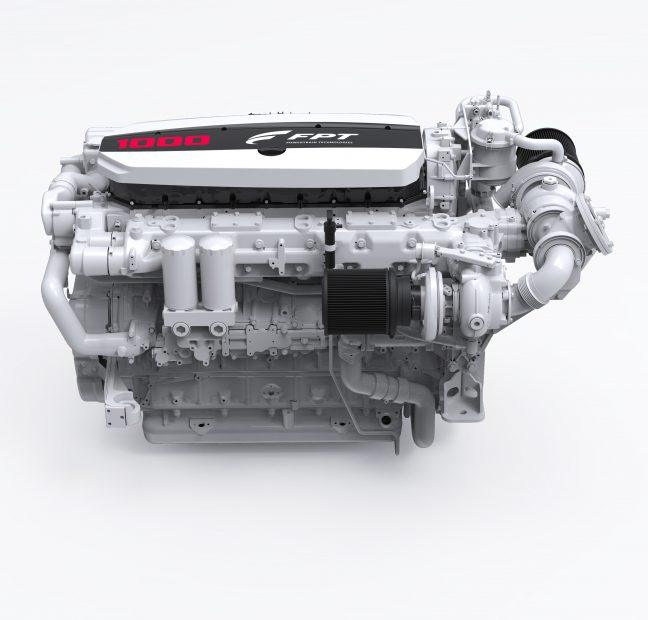
FPT’s marine portfolio builds on more than a century of powertrain engineering, combining robust blocks with advanced fuel and air-management systems that meet modern emissions requirements. Our technicians service the FPT Cursor family used in a range of pleasure and light-commercial vessels. We tailor your plan to duty cycle, fuel quality, cooling-water temperature, and storage conditions unique to Ventura, Channel Islands, and Santa Barbara.
Daily Inspection:
- Engine oil level / transmission oil level.
- Coolant level in expansion tank.
- Operation of instruments.
- Visual inspection of engine for oil and coolant leaks.
- Drain water from fuel filters and fuel pre – filters.
- Reverse Gear oil Level.
200 Service hours or 6 months:
- Repeat: Complete the listed daily checks first.
- Drive belts: Check the Drive belts for tension and adjust if necessary.
- Electric: Check all electrical connections to see if they’re secure.
- Air cleaner: Check for any restrictions and correct if necessary.
- Zinc anodes: Check the zinc anodes and replace if necessary.
- Antifreeze: Check the antifreeze concentration percentage and correct it if necessary.
- Seawater Pump Seals: Inspect the raw water pump seals for leakage.
- Seawater Strainer: Clean out Sea Water strainer.
- Replace Transmission Oil & Filter/(clean) strainer.
600 Service hours or Yearly:
- Zinc Anodes – Inspect/Replace.
- Seawater pump impeller – Replace.
- Seawater Pump Seals – Inspect.
- Seawater System – Flush with Descale solution.
- Battery Electrolyte Level – Check.
- Belts – Check belt tensioner and drive belts and correct or replace them if necessary.
- Cooling System Supplemental Coolant Additive (SCA) – Test/Add.
- Engine Air Cleaner Element – Clean/Replace.
- Engine Crankcase Breather – Clean.
- Engine Oil Sample – Obtain.
- Engine Oil and Filter – Change.
- Fuel Inlet Screen – Clean.
- Fuel System Primary Filter/Water Separator Element- Replace.
- Fuel System Secondary Filter – Replace.
- Fuel Tank Water and Sediment – Drain.
- Hoses and Clamps – Inspect/Replace.
- Seawater Strainer – Clean/Inspect.
- Water Pump – Check seal.
- Reverse gear – Change oil and filter.
- Thoroughly inspect all hydraulic hoses and fittings for signs of leaks, wear, cracks, or aging.
1000 Service hours or 2years:
- Aftercooler Core – Clean/Test.
- Cooling System Coolant (DEAC) – Change.
- Engine Protective Devices – Check.
- Magnetic Pickups – Clean/Inspect.
- Turbocharger – Inspect.
- Adjust Valve Lash
- Inspect exhaust hose and cooling water hoses. Relace as Needed.
- Engine Valve Lash – Inspect/Adjust.
- Fuel Injection Timing – Check.

NOTE: These are FPT Marine periodic maintenance recommendations straight from the service manual. At 805 Marine Mechanic, we customize your periodic maintenance for real-world conditions in Ventura, Channel Islands, and Santa Barbara—balancing reliability, performance, and cost.
Why Preventive Maintenance Matters for FPT Cursor Engines
Cursor-series engines achieve their reputation for durability when fluids, filters, air supply, and cooling efficiency are tightly controlled. Proactive maintenance:
- Protects power and fuel economy at cruising RPM by keeping injectors, turbo, and charge-air paths clean.
- Prevents overheating due to seawater restrictions, weak caps, or scale in heat exchangers.
- Extends component life by catching minor leaks, belt wear, or bearing noise before they escalate.
- Reduces total cost by clustering time- and hour-based jobs in one visit and avoiding emergency callouts.
Key Inspection Points Between Services
Regular eyes-on checks are the cheapest insurance you can buy. In addition to the daily list above, build these quick inspections into your weekly routine:
- Belts & Tensioners: Look for fraying, glazing, and dust near pulleys; verify tensioner movement.
- Electrical Grounds & Connectors: Clean, tight, corrosion-free—especially at batteries and ECU harnesses.
- Air Intake & Ducting: Confirm no crushed hoses or debris restricting flow.
- Exhaust & Lagging: Check for soot trails (early leak sign) and soft spots in wet-exhaust hose.
- Fuel System: Drain separators, look for emulsified fuel, and monitor for air leaks that cause hard starts.
- Mounts & Alignment: Inspect for torn rubber or shifted shims; misalignment invites seal and coupling wear.
Oil Strategy: Intervals, Operating Profile & Quality
Short, low-load cycles (idling to charge batteries or brief marina maneuvers) never bring oil fully to temperature. Moisture and soot accumulate, forming acids and carbon that reduce lubrication and raise wear. If that describes your profile, shorten your oil interval and use premium filters. For reference, multi-grade products like Delo 400 4-stroke oil are widely used in marine applications; always select an oil meeting FPT specs for your exact model and climate.
Pro tip: Add oil sampling at each change and trend metals, fuel dilution, and soot. Lab data often surfaces bearing or ring issues long before they’re audible.
Freshwater & Seawater Cooling — What to Watch
Your closed-loop freshwater circuit cools the cylinder jackets, heads, and turbo, while seawater through the heat exchanger carries heat overboard. The #1 cause of in-season overheating is restricted seawater flow. Make strainer cleaning and annual impeller replacement non-negotiable. Weak pressure caps also cause chronic temperature creep—replace any that fail pressure tests. At the 1–2 year mark, pressure-test heat exchangers and clean/test aftercoolers to restore heat-transfer efficiency.

Engine Room Log & Recordkeeping
Keep a clean engine room log and update it for every oil change, filter swap, coolant test, belt replacement, and inspection. Capture hours, dates, part numbers, torque specs, and observations (smoke, vibration ranges, hot spots). Good records speed troubleshooting for any captain or technician who steps aboard—and support resale value with verifiable service history.
About 805 Marine Mechanic
805 Marine Mechanic is a veteran-owned marine diesel specialist serving Ventura, Channel Islands, and Santa Barbara. We service FPT Cursor marine engines alongside Detroit Diesel, MAN, Cummins, John Deere, Yanmar, and Perkins. Our mobile, in-slip service minimizes downtime and pairs OEM-aligned procedures with practical field experience in Southern California waters.
From valve-lash checks and turbo inspections to heat-exchanger descaling and electrical diagnostics, we deliver clear estimates, transparent communication, and post-service documentation so you know exactly what was done and why it matters for your season.
Ready to Schedule FPT Marine Service?
Protect your FPT Cursor engine with a maintenance plan customized to your hours, routes, and harbor. We service Ventura, Channel Islands, and Santa Barbara with convenient dockside appointments.