
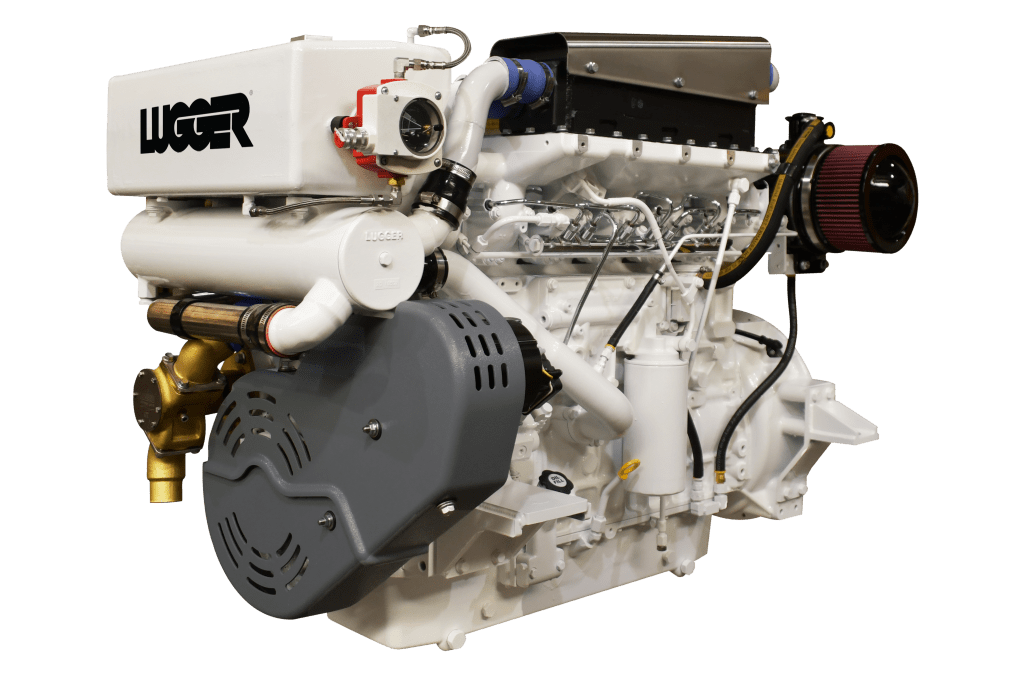
Lugger Marine Diesel Smoke Diagnosis: Black, White & Blue Exhaust Troubleshooting Guide
Exhaust smoke is one of the most useful diagnostic indicators on a marine diesel engine. Changes in smoke color, density, and when it appears can quickly point toward fuel, air, cooling, or mechanical problems.
Lugger engines are widely respected for durability and efficient combustion, but when smoke appears — especially under load — it means something in the combustion process is out of balance.
With over 30 years of marine diesel troubleshooting experience throughout Ventura, Channel Islands Harbor, Oxnard, and Santa Barbara, 805 Marine Diesel Mechanic specializes in identifying the root cause of combustion problems before unnecessary parts replacement.
Start your diagnosis with our Master Marine Diesel Troubleshooting Guide.
Schedule Lugger Combustion Diagnosis
Understanding Diesel Combustion
Proper diesel combustion requires the correct balance of:
- Fuel delivery
- Air supply
- Compression temperature
- Injection timing
When any of these factors becomes unbalanced, combustion efficiency drops and visible smoke appears in the exhaust.
Black Smoke: Over-Fueling or Lack of Air
Black smoke is the most common smoke condition on Lugger engines and indicates incomplete combustion due to excess fuel or insufficient air.
Common Causes
- Restricted air intake
- Turbocharger inefficiency
- Boost leaks in charge air piping
- Dirty aftercooler
- Injector spray pattern deterioration
- Over-propped vessel
Air system restrictions should be checked in our Turbo System Diagnosis Center.
White Smoke: Unburned Fuel
White smoke typically indicates fuel entering the cylinder but failing to ignite completely.
Common Causes
- Low cylinder temperature during startup
- Injector nozzle wear
- Incorrect injection timing
- Low compression
- Coolant entering combustion chamber
If the engine struggles to reach operating temperature, cross-check the cooling system using our Cooling System Diagnosis Center.
Blue Smoke: Oil Burning
Blue smoke indicates engine oil entering the combustion chamber or exhaust stream.
Possible Causes
- Turbocharger oil seal leakage
- Worn piston rings
- Valve guide wear
- Excessive crankcase pressure
Turbocharger inspection may also be required. See our Turbo System Diagnosis Center.
Smoke Under Load vs At Startup
When smoke occurs is just as important as what color it is.
Startup Smoke
- Normal light white haze in cold conditions
- Persistent white smoke indicates injector or compression problems
Smoke Under Load
- Black smoke under load often indicates airflow restriction
- Blue smoke under load suggests oil entering the intake or turbo system
How Fuel Contamination Affects Combustion
Dirty or contaminated fuel affects spray pattern quality and combustion stability.
- Microbial sludge
- Water contamination
- Clogged injectors
These problems are addressed in our Fuel Contamination & Filtration Issues Center.
Professional Combustion Diagnosis
Rather than guessing, professional diagnostics isolate the exact cause of smoke conditions.
- Injector spray pattern testing
- Injection timing verification
- Boost pressure monitoring
- Exhaust temperature analysis
- Compression evaluation
Performance-related smoke issues may also appear alongside power loss. See our Low Power & Loss of RPM Guide.
Preventative Combustion System Maintenance
- Regular injector service intervals
- Clean fuel filtration
- Aftercooler cleaning
- Air filter inspection
- Correct propeller loading
Maintaining proper fuel and air delivery ensures clean combustion and long Lugger engine life.
Request Lugger Smoke Diagnosis
Ventura & Channel Islands Harbor Lugger Combustion Specialist
805 Marine Diesel Mechanic provides mobile Lugger combustion diagnostics throughout Ventura Harbor, Channel Islands Harbor, Oxnard, and Santa Barbara.
With over 30 years of experience diagnosing marine diesel performance problems, we identify the real cause of smoke conditions quickly and accurately.
Lugger Exhaust Smoke FAQ
Black smoke usually indicates excess fuel or restricted air supply, often caused by turbo inefficiency, boost leaks, or clogged air filters.
A small amount of white smoke during cold startup can be normal, but persistent white smoke may indicate injector wear or low compression.
Blue smoke typically indicates engine oil entering the combustion process through turbo seals, piston rings, or valve guides.
Yes. Smoke indicates combustion imbalance which can lead to overheating, power loss, or internal engine damage if ignored.