
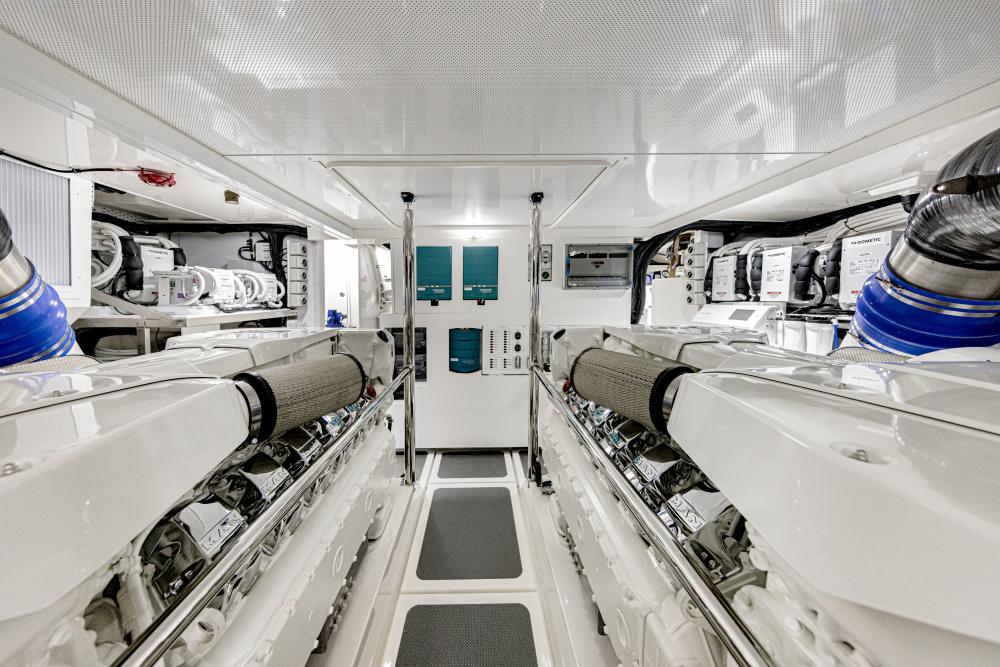
Why Does My Marine Diesel Engine Crank But Not Start? (Complete No-Start Diagnosis Guide)
If your marine diesel engine cranks but will not start, you are dealing with a true no-start condition. The engine is turning over, which confirms your batteries and starter are working, but something critical is missing: fuel delivery, air, compression heat, or correct injection timing.
After 30+ years diagnosing marine diesel engines throughout Ventura, Oxnard, Channel Islands Harbor, and Santa Barbara, one thing is consistent — no-start problems are rarely random. They always follow a pattern.
The key is identifying what is missing.
Start here:
Marine Diesel Troubleshooting Guide
What a No-Start Condition Really Means
A diesel engine will only start when four conditions are met at the same time: fuel is delivered at the correct pressure, air is present, compression heat is sufficient, and injection timing is correct.
If any one of these is missing, the engine will crank indefinitely without firing.
Diesel ignition depends on compression and injection timing (diesel combustion fundamentals) and proper fuel delivery pressure (marine diesel fuel system basics).
1. No Fuel Delivery (Most Common Failure)
If fuel is not reaching the injectors, the engine cannot start — no matter how long it cranks. This is the most common real-world failure.
- Empty or low fuel tank
- Clogged fuel filters
- Closed shutoff valve
- Failed lift pump
👉 Related: Fuel System Diagnosis Center
2. Air in the Fuel System
Air intrusion prevents the fuel system from building pressure. Even small air leaks can stop injection completely.
This is extremely common after maintenance or filter replacement.
👉 Related: No Start After Filter Change
3. No Smoke vs White Smoke (Critical Clue)
Watching the exhaust during cranking gives immediate diagnostic direction:
- No smoke: no fuel reaching cylinders
- White smoke: fuel present but not igniting
👉 Related: White Smoke Diagnosis
4. Injection System Failure
If the injection pump or injectors fail, fuel will not be delivered at proper pressure or timing. This results in either no start or intermittent starting.
👉 Related: Combustion Diagnosis Center
5. Compression Loss
Diesel engines rely on compression heat to ignite fuel. If compression is too low, the engine will crank but never fire — especially when cold.
👉 Related: Mechanical Diagnostics
6. Electrical Control or Sensor Failure
Modern engines require ECU signals and sensor input to allow fuel injection. A failed sensor can prevent starting entirely.
👉 Related: Electrical Diagnosis Center
⚠️ Critical Emergency Symptom Link
If your no-start condition is combined with a sudden change in exhaust smoke, it may indicate a serious internal failure:
👉 Sudden Smoke Change Emergency Guide
Step-by-Step Professional Diagnosis
Professional diagnosis follows a structured system — not guesswork.
- Verify fuel supply and tank level
- Inspect and replace filters
- Prime fuel system
- Check for air intrusion
- Observe exhaust smoke
- Test injection system
- Check compression
👉 Continue with:
Advanced Diagnostics
Frequently Asked Questions
1. Why does my engine crank but not start?
This means fuel, air, compression, or timing is missing. Start with the troubleshooting guide.
2. What is the most common cause?
Lack of fuel delivery due to air or restriction.
3. What does no smoke mean?
No fuel is reaching the cylinders.
4. What does white smoke mean?
Fuel is present but not igniting properly.
5. Can air cause a no-start?
Yes, it prevents proper fuel pressure.
6. Where should I start diagnosing?
Start with the fuel system center.
7. Can injectors cause this?
Yes, they must deliver fuel correctly.
8. Can compression cause no-start?
Yes, without compression heat ignition cannot occur.
9. Can electrical issues cause this?
Yes, especially on modern engines.
10. Is this common?
Yes, one of the most common marine diesel issues.
11. Can contamination cause this?
Yes, fuel contamination blocks delivery.
12. Should I keep cranking?
No, it can damage components.
13. Can timing cause no-start?
Yes, incorrect timing prevents ignition.
14. What if it started then died?
Likely fuel instability or air intrusion.
15. Can sensors cause no-start?
Yes, failed sensors can stop injection.
16. What is fastest diagnosis?
System-based testing process.
17. Do you offer mobile service?
Yes, throughout Ventura and surrounding areas.
18. Can this lead to bigger issues?
Yes, if underlying problems are ignored.
19. When should I call a mechanic?
If basic checks fail, call immediately.
20. Where can I follow full diagnostics?
Use the Master Guide.