
Diagnose Detroit Diesel overheating problems quickly using a proven system-based diagnostic process built from over 30 years of real-world marine diesel experience in Ventura, Oxnard, Channel Islands Harbor, and Santa Barbara.
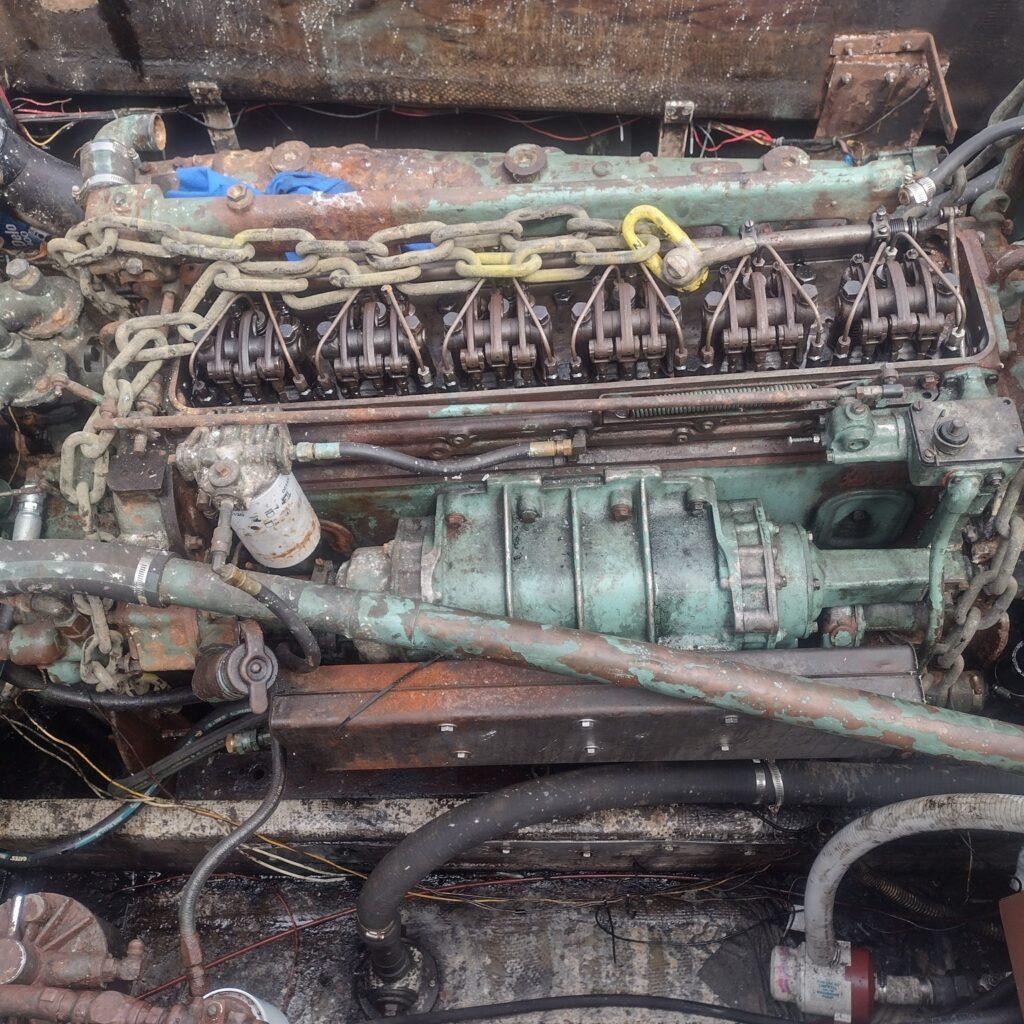
Detroit Diesel Overheating Diagnosis Center (Detroit Diesel Authority)
Schedule Cooling System Diagnosis
Overheating is one of the most serious problems a Detroit Diesel marine engine can experience. Engines such as the 6-71, 8V71, 6V92, and 8V92 are built to run hard for thousands of hours, but excessive heat will quickly lead to head gasket failure, piston damage, injector issues, and in severe cases total engine failure.
Most overheating problems are not caused by a single failure. They are the result of system imbalance — restricted raw water flow, reduced heat exchanger efficiency, airflow restriction, or increased engine load. This is why overheating often overlaps with problems found in the low power loss of RPM diagnosis center and the smoke and combustion diagnosis center.
The most effective way to diagnose overheating is to follow a structured process like the master marine diesel troubleshooting guide, where problems are identified by symptom instead of guessing.
Early Warning Signs of Overheating
Overheating rarely happens instantly. Most engines show warning signs before failure:
- Temperature gauge rising above normal
- Loss of power under load
- Steam at exhaust outlet
- Coolant overflow
- High engine room temperature
These symptoms often appear together because cooling, fuel, and airflow systems are directly connected.
Raw Water Flow Problems (Most Common Cause)
The majority of overheating issues are caused by restricted raw water flow. Seawater enters through the hull intake, passes through the strainer, and is pumped through the heat exchanger.
- Clogged sea strainers
- Blocked hull intakes
- Collapsed intake hoses
- Damaged impellers
Even partial restriction drastically reduces cooling efficiency and leads to temperature spikes under load.
Heat Exchanger Restrictions
Heat exchangers gradually lose efficiency due to internal buildup.
- Salt scale buildup
- Zinc debris
- Internal corrosion
Restricted heat exchangers are one of the most overlooked causes of overheating and often show up as normal temperature at idle but overheating at cruise RPM.
Thermostat and Coolant Flow Problems
A thermostat stuck closed restricts coolant circulation and causes rapid temperature rise. Air pockets can also reduce coolant flow and create localized hot spots.
Airflow & Blower Contribution to Overheating
Detroit Diesel engines rely on airflow for combustion. Reduced airflow increases combustion temperature and contributes to overheating.
This is commonly diagnosed through the turbo and air system problems center, where airflow restriction and boost issues are identified.
Need Help Diagnosing Overheating? Contact 805 Marine Diesel Mechanic
Exhaust System Restrictions
Exhaust restrictions increase engine load and temperature.
- Clogged mixing elbows
- Carbon buildup
- Blocked water injection ports
Advanced Diagnostic Process
- Raw water flow measurement
- Heat exchanger inspection
- Temperature mapping
- Load analysis
Advanced diagnostics are performed through the computerized marine diagnostics center, where full system performance is evaluated.
Preventing Overheating
- Annual impeller inspection
- Regular heat exchanger cleaning
- Coolant system flushing
- Monitoring engine load
Detroit Diesel Cooling Service – Ventura to Santa Barbara
805 Marine Diesel Mechanic provides mobile marine diesel cooling system diagnosis throughout Ventura, Oxnard, Channel Islands Harbor, and Santa Barbara.
Book Cooling System Inspection
Detroit Diesel Overheating FAQ
1. What causes Detroit Diesel engines to overheat?
Overheating is usually caused by restricted cooling flow or heat exchanger blockage. Start with the master troubleshooting guide to isolate the issue.
2. Can fuel problems cause overheating?
Yes, poor fuel delivery can increase combustion temperature. See the fuel system diagnosis center.
3. Can airflow cause overheating?
Yes, airflow restriction increases combustion heat. Refer to the turbo air system center.
4. Can overheating reduce engine power?
Yes, overheating often appears with symptoms covered in the low power diagnosis center.
5. Can clogged strainers cause overheating?
Yes, blocked strainers reduce water flow immediately.
6. How often should impellers be replaced?
Typically annually or sooner depending on conditions.
7. Can heat exchangers clog internally?
Yes, buildup reduces efficiency significantly.
8. Can exhaust restriction cause overheating?
Yes, it increases load and temperature.
9. Can overheating damage injectors?
Yes, excessive heat affects combustion components.
10. Can air pockets cause overheating?
Yes, they reduce coolant flow.
11. Can coolant leaks cause overheating?
Yes.
12. Can blower issues increase temperature?
Yes, reduced airflow increases heat.
13. Can overheating happen only under load?
Yes, often due to restricted cooling capacity.
14. Can salt buildup cause overheating?
Yes, especially in heat exchangers.
15. Can overheating lead to engine failure?
Yes, severe damage can occur quickly.
16. Can overheating affect oil viscosity?
Yes, reducing lubrication.
17. Can restricted hoses cause overheating?
Yes.
18. Can overheating cause shutdown?
Yes.
19. Can poor maintenance cause overheating?
Yes.
20. When should I call a professional?
If overheating persists, contact 805 Marine Diesel Mechanic.
3 Responses