
Diagnose marine diesel low power and loss of RPM conditions using a proven system-based process built from over 30 years of real-world experience servicing Detroit Diesel engines throughout Ventura, Oxnard, Channel Islands Harbor, and Santa Barbara.
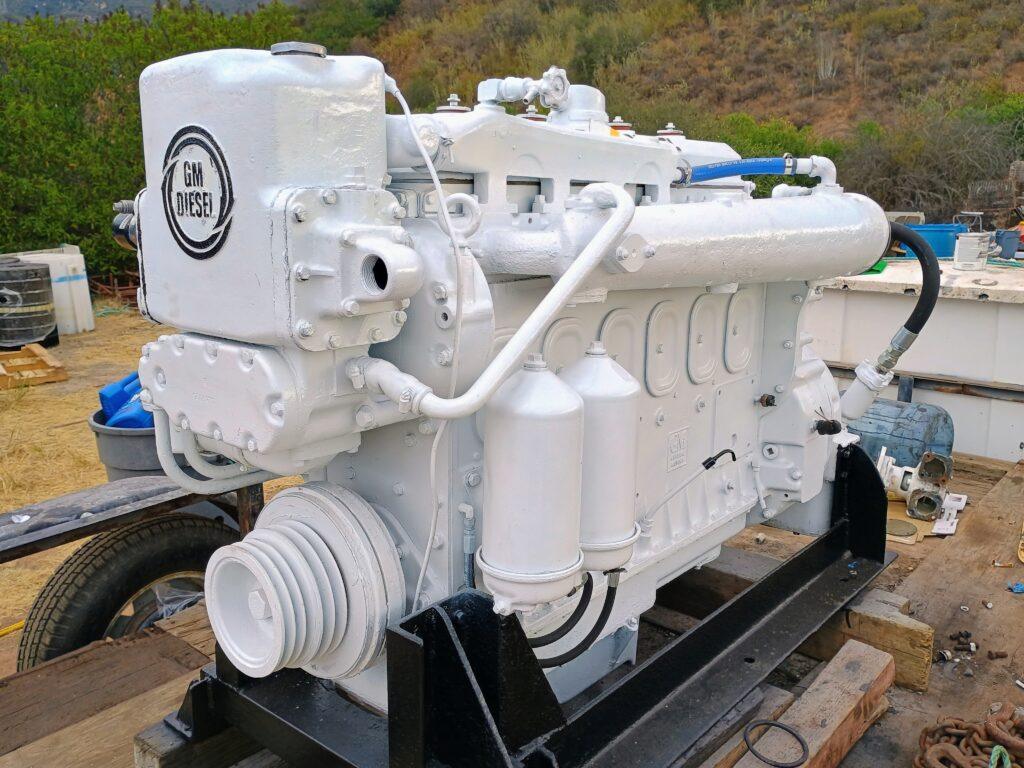
Low Power or Loss of RPM Diagnosis Center (Detroit Diesel Authority)
When a marine diesel engine cannot reach rated RPM or begins to lose power under load, it is almost always a sign of restriction, imbalance, or mechanical inefficiency developing somewhere in the system. Detroit Diesel engines are known for durability, but because of their two-stroke scavenging design, they are extremely sensitive to airflow, fuel delivery, and exhaust flow.
Power loss should never be treated as a single-component failure. It is almost always the result of a system problem. This is why proper diagnosis starts with a structured process like the master marine diesel troubleshooting guide, where symptoms are traced back to root causes.
Understanding Power Loss in Detroit Diesel Engines
Detroit Diesel engines depend on balanced interaction between fuel delivery, airflow, exhaust flow, cooling capacity, and load. When one system becomes restricted or inefficient, the entire engine loses performance.
Power loss often overlaps with conditions found in the smoke and combustion diagnosis center and the turbo and air system problems center, where airflow imbalance directly impacts engine output.
Common Symptoms of Low Power or RPM Loss
- Engine will not reach rated RPM under load
- Reduced boat speed at normal throttle
- Black smoke under acceleration
- High exhaust temperature
- Engine sounds strained or overloaded
These symptoms indicate that the engine is being restricted or overloaded.
Fuel System Restrictions (Primary Cause)
Fuel restriction is the most common cause of power loss. Even minor restrictions reduce injector output and limit combustion energy.
- Clogged primary or secondary filters
- Contaminated fuel (diesel algae)
- Collapsed fuel hoses
- Weak lift pumps
Fuel contamination problems are further explained in the fuel contamination and filtration issues center.
Air Intake Restrictions
Detroit Diesel engines require large volumes of air. Any restriction immediately reduces power.
- Clogged air filters
- Collapsed intake hoses
- Dirty blower assemblies
- Restricted silencers
Airflow restriction is one of the most common causes of black smoke and power loss.
Turbocharger Performance Problems
Turbochargers increase airflow and power output. If boost pressure drops, engine performance declines.
- Turbo bearing wear
- Boost leaks
- Carbon buildup
Turbo-related issues are covered in the Detroit Diesel turbo system guide.
Need Help Finding the Real Cause? Contact 805 Marine Diesel Mechanic
Exhaust System Restrictions
Exhaust restriction increases engine load and reduces RPM.
- Clogged exhaust elbows
- Collapsed hoses
- Carbon buildup
Cooling System Impact on Power
Engines running hot may reduce output. Cooling system inefficiencies often show up as both overheating and power loss.
See the cooling system diagnosis center.
Drivetrain and Propeller Load Issues
Sometimes power loss is not engine-related.
- Marine growth on propeller
- Bent blades
- Incorrect pitch
These issues are covered in drivetrain diagnostics such as shaft spins but boat doesn’t move properly.
Professional Diagnosis Process
- Fuel pressure testing
- Turbo boost measurement
- Airflow testing
- Load analysis
Advanced diagnostics are performed through the computerized diagnostics center.
Service Area
Ventura • Oxnard • Channel Islands Harbor • Santa Barbara
Low Power / RPM Loss FAQ
1. Why won’t my engine reach full RPM?
Usually caused by restriction. Start with the troubleshooting guide.
2. Can dirty fuel cause power loss?
Yes. See fuel contamination center.
3. Can turbo problems cause low RPM?
Yes. See turbo diagnosis.
4. Can airflow restriction reduce power?
Yes.
5. Can overheating reduce RPM?
Yes.
6. Can exhaust restriction affect power?
Yes.
7. Can propeller issues cause low RPM?
Yes.
8. Can clogged filters reduce performance?
Yes.
9. Can injector issues cause power loss?
Yes.
10. Can air leaks affect turbo boost?
Yes.
2 Responses