
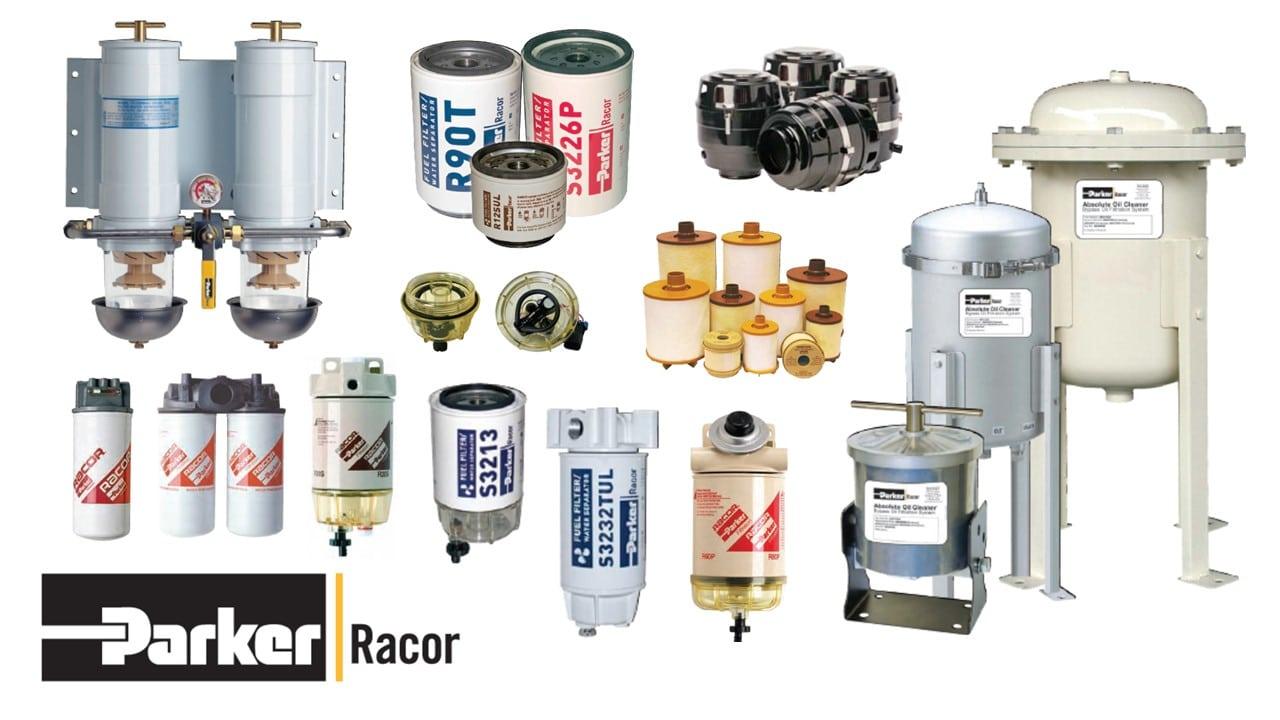
Racor fuel filters and water separators are one of the most important components in any marine diesel fuel system. Clean fuel is critical for protecting injectors, injection pumps, fuel rails, and overall engine reliability—especially for vessels operating throughout Ventura, Channel Islands Harbor, Oxnard, and Santa Barbara waters.
805 Marine Diesel Mechanic provides Racor fuel filter installation, fuel-system diagnostics, water-separator service, fuel contamination troubleshooting, and diesel fuel filtration upgrades for inboard marine diesel vessels throughout the Central Coast.
Fuel contamination is one of the leading causes of marine diesel shutdowns, hard starting, power loss, injector damage, and offshore reliability problems. If your engine is already showing signs such as surging, black smoke, reduced RPM, or hard starting, begin with the Master Marine Diesel Troubleshooting Guide before major fuel-system damage develops.
Why Racor Fuel Filters Matter
Marine diesel fuel systems constantly face contamination risks from water intrusion, condensation, algae growth, rust particles, dirty fuel transfers, and deteriorating tanks. Even small amounts of contamination can gradually damage injectors and reduce engine efficiency.
Racor fuel filters help protect marine diesel engines by separating water and capturing contaminants before they reach sensitive fuel-system components.
Racor systems are widely trusted because they:
- Remove water from diesel fuel
- Capture dirt and rust particles
- Reduce injector wear
- Improve fuel-system reliability
- Extend downstream filter life
- Reduce unexpected shutdowns
- Improve long-term engine durability
Reliable fuel filtration is especially important for vessels making offshore Channel Islands runs where fuel-system failures can quickly become serious safety concerns.
How Racor Water Separators Work
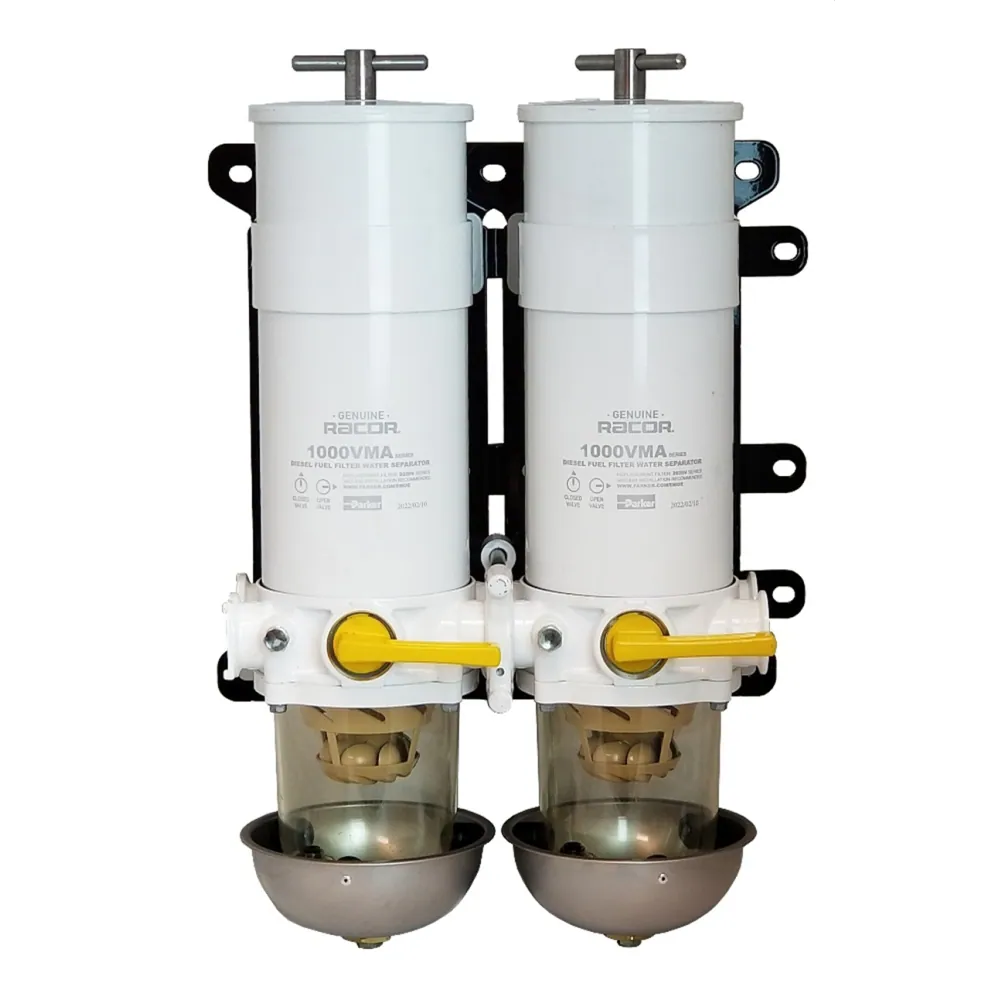
Racor turbine fuel filters use a multi-stage filtration process designed specifically for marine diesel applications.
The filtration process typically includes:
- Water Separation: Fuel enters the assembly and spins through the turbine section where larger water droplets and debris separate from the fuel.
- Coalescing: Smaller water droplets gather together and fall into the collection bowl.
- Filtration: Aquabloc® filter media captures fine contaminants while additional water separates from the fuel.
This process helps protect injectors, high-pressure pumps, fuel rails, and modern diesel injection systems from contamination-related damage.
Common Fuel-System Problems Prevented by Racor Filters
Many marine diesel reliability issues begin with contaminated fuel. Water intrusion, dirty tanks, microbial growth, and deteriorating hoses can gradually reduce engine performance while damaging sensitive fuel-system components.
Common problems associated with poor fuel filtration include:
- Hard starting
- Power loss under load
- Black smoke
- Surging at cruise RPM
- Injector wear
- Fuel restriction
- Engine shutdowns
- Reduced fuel efficiency
Many fuel-system complaints only become noticeable during acceleration or sustained cruise operation, which is why sea-trial diagnostics often help identify fuel restriction problems.
Helpful troubleshooting references include marine engine black smoke under load and Caterpillar marine engine maintenance.
Choosing the Correct Micron Rating
Racor Aquabloc® filter elements are commonly available in 30, 10, and 2 micron ratings. Choosing the correct element depends on the fuel-system design and the level of filtration required.
- 30 Micron: Often used as a primary pre-filter for high-contamination environments.
- 10 Micron: Common for general marine diesel protection and balanced filtration.
- 2 Micron: Provides maximum filtration for modern high-pressure injection systems.
Using the proper micron rating helps balance fuel flow with contamination protection while reducing unnecessary filter restriction.
Benefits of Duplex Racor Systems
Duplex Racor systems allow operators to switch between filter elements while the engine remains running. This feature is extremely valuable for offshore cruising and commercial applications where shutting down the engine during operation may not be safe.
Benefits of duplex systems include:
- Reduced downtime
- Improved offshore reliability
- Quick filter switching
- Extended cruising confidence
- Improved maintenance flexibility
For vessels regularly operating offshore around the Channel Islands, duplex fuel systems provide significant reliability advantages.
Fuel Contamination and Tank Health
Fuel contamination often begins inside the tank itself. Condensation, water intrusion, algae growth, and degraded fuel can gradually create sludge and debris that eventually reaches the filtration system.
Fuel-system inspections may include:
- Tank inspection
- Filter inspection
- Vacuum testing
- Fuel sampling
- Hose inspection
- Separator inspection
- Fuel polishing recommendations
Maintaining clean fuel tanks and replacing filters regularly helps reduce the risk of injector damage and offshore shutdowns.

Fuel Filtration and Injector Protection
Modern marine diesel injection systems operate with extremely tight tolerances. Even small contaminants can damage injectors, reduce spray quality, and affect combustion efficiency.
Proper fuel filtration helps:
- Protect injectors
- Reduce wear on injection pumps
- Improve combustion quality
- Improve throttle response
- Reduce smoke
- Improve long-term fuel-system durability
High-quality filtration becomes even more important for electronically controlled diesel platforms operating under heavy offshore load.
Fuel-System Maintenance and Preventive Care
Routine fuel-system service remains one of the most important parts of diesel maintenance. Filters should be inspected regularly and replaced according to operating hours, fuel quality, and seasonal use.
Good preventive fuel-system maintenance typically includes:
- Primary filter replacement
- Secondary filter replacement
- Water drainage
- Tank inspection
- Fuel sampling
- Vacuum testing
- Fuel-line inspection
- System leak inspection
For broader diesel maintenance planning, review Perkins marine engine maintenance and MAN marine engine maintenance.
Mobile Fuel-System Service Throughout Ventura and the Channel Islands
Mobile fuel-system service allows diesel filtration and contamination issues to be diagnosed directly at the vessel. Many fuel problems are easier to identify during real operating conditions rather than static dock inspections alone.
805 Marine Diesel Mechanic supports vessels throughout Ventura Harbor, Channel Islands Harbor, Oxnard, and Santa Barbara with Racor filter service, diesel fuel filtration upgrades, contamination troubleshooting, and fuel-system diagnostics.
For marine fuel-system technical standards and filtration guidance, the Parker Racor technical resource provides valuable fuel-system information. Additional marine maintenance and cruising education is available through Passagemaker.
When to Service Marine Fuel Filters
Fuel filters should be inspected regularly and serviced before offshore trips, after poor fuel-quality incidents, after long storage periods, or anytime engine behavior changes unexpectedly.
Warning signs include hard starting, surging, black smoke, reduced RPM, shutdowns, fuel odor, and excessive filter restriction.
Addressing fuel-system problems early usually prevents injector damage and improves long-term diesel reliability offshore.
Racor Marine Fuel Filter FAQ
What does a Racor fuel filter do?
Racor fuel filters remove water and contaminants from diesel fuel before they reach injectors and fuel-system components.
Why is water contamination dangerous for marine diesels?
Water contamination may cause injector damage, microbial growth, corrosion, power loss, and unexpected shutdowns.
What micron filter should I use?
Most systems use 30, 10, or 2 micron elements depending on the fuel-system design and filtration requirements.
What is a duplex Racor system?
A duplex system allows operators to switch between filter elements while the engine remains running.
How often should marine fuel filters be replaced?
Filters should be replaced according to operating hours, seasonal use, fuel quality, and manufacturer recommendations.
Can dirty fuel cause black smoke?
Yes, contaminated fuel and restricted filtration may reduce combustion efficiency and contribute to black smoke.
What causes fuel contamination?
Water intrusion, condensation, algae growth, dirty tanks, rust, and deteriorated hoses commonly contribute to fuel contamination.
What areas do you service?
805 Marine Diesel Mechanic services Ventura, Channel Islands Harbor, Oxnard, and Santa Barbara.
Does 805 Marine Diesel Mechanic work on outboards?
No, 805 Marine Diesel Mechanic specializes in inboard marine diesel systems only.
Can poor filtration damage injectors?
Yes, small contaminants may damage injectors and reduce fuel-system efficiency over time.
2 Responses