
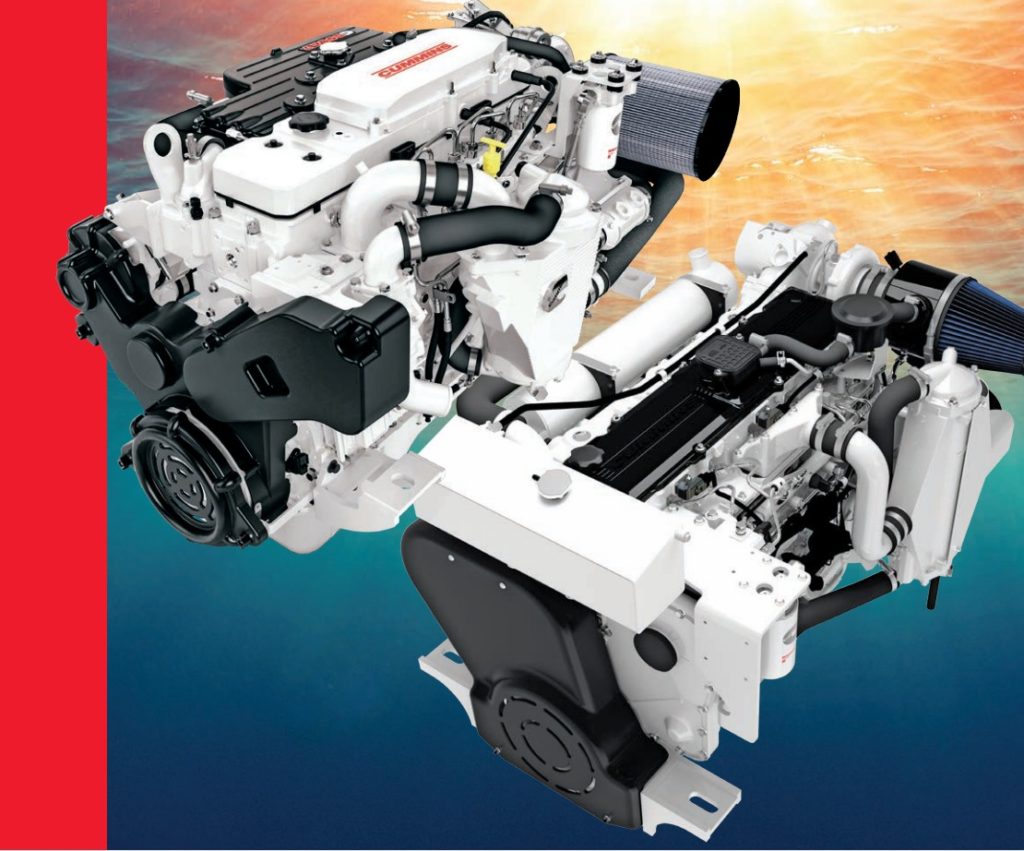
Preventative Maintenance Schedule for Cummins Marine Engines
Preventative maintenance for Cummins marine diesel engines remains one of the most important factors in reducing offshore failures, extending engine life, improving fuel efficiency, and protecting long-term vessel reliability.
805 Marine Diesel Mechanic specializes exclusively in inboard marine diesel systems and provides mobile dockside preventative maintenance, cooling-system service, fuel-system optimization, ECU diagnostics, injector inspections, and offshore Cummins diesel support throughout Ventura, Oxnard, Channel Islands Harbor, and Santa Barbara.
Modern Cummins marine engines including the QSB6.7, QSC8.3, QSL9, and QSM11 depend heavily on routine maintenance intervals to maintain cooling efficiency, injector performance, turbocharger reliability, and offshore operational stability.
If your engine is already showing smoke, overheating, hard starting, unstable RPM, or fuel restriction, begin with the Master Marine Diesel Troubleshooting Guide before larger offshore failures develop.
Why Preventative Maintenance Matters Offshore
Marine diesel engines operate in extremely harsh environments where vibration, saltwater exposure, thermal cycling, marine growth, and fuel contamination constantly affect engine systems.
- Saltwater corrosion
- Continuous high-load operation
- Fuel contamination exposure
- Cooling-system scaling
- Turbocharger heat stress
- Electrical-system vibration
Routine preventative maintenance helps identify developing problems before catastrophic offshore failures occur.
Daily and Pre-Operation Inspections
Daily inspections remain one of the simplest and most effective ways to prevent offshore breakdowns.
- Oil-level inspection
- Coolant-level verification
- Fuel leak inspection
- Belt-condition checks
- Hose-condition verification
- Battery-terminal inspection
- Raw-water flow observation
Minor leaks, loose clamps, damaged belts, or cooling-system restrictions often develop gradually before eventually causing major offshore failures.
50-Hour and Weekly Service Intervals
Frequent inspections help identify early wear before it damages larger engine systems.
- Fuel filter inspection
- Oil filter evaluation
- Air-filter cleaning
- Belt-tension verification
- Battery-terminal cleaning
- Fuel-prime inspection
Early detection of contamination or restriction helps protect injectors, turbochargers, and combustion efficiency.
100-Hour Oil and Filter Service
Routine oil service remains one of the most important maintenance intervals for Cummins marine engines.
- Engine oil replacement
- Oil-filter replacement
- Primary fuel-filter replacement
- Secondary fuel-filter replacement
- Coolant-condition analysis
- Electrical harness inspection
Fresh oil protects bearings, turbocharger journals, camshafts, and valve-train components from excessive wear.
Cooling-System Maintenance and Heat Management
Cooling systems remain one of the most critical offshore reliability systems on any marine diesel engine.
- Heat exchanger cleaning
- Aftercooler inspections
- Raw-water pump service
- Impeller replacement
- Coolant replacement
- Zinc-anode replacement
- Sea strainer cleaning
Restricted seawater flow often develops gradually before causing serious overheating under heavy offshore load conditions.
Helpful cooling references include Cooling System Maintenance.
Fuel-System Maintenance and Injector Protection
Modern HPCR fuel systems require exceptionally clean fuel to maintain injector performance and combustion quality.
- Fuel polishing
- Fuel-filter replacement
- Water separator service
- Fuel-pressure testing
- Vacuum restriction analysis
- Tank contamination inspection
Fuel contamination remains one of the leading causes of injector-system damage and offshore shutdowns.
Helpful filtration references include Fuel System Upgrades.
Turbocharger and Airflow Inspections
Turbocharger efficiency directly affects combustion quality, fuel economy, smoke output, and offshore acceleration.
- Turbocharger shaft-play inspection
- Airflow restriction analysis
- Boost-pressure verification
- Exhaust leak inspection
- Aftercooler performance checks
Routine turbocharger inspections help maintain efficient combustion and offshore performance.
Electrical Diagnostics and ECU Monitoring
Modern Cummins engines depend heavily on electronic monitoring and ECU systems to regulate performance and protect the engine under heavy operating conditions.
- Fault-code analysis
- Sensor diagnostics
- Charging-system testing
- Battery-load testing
- Live-data monitoring
- Harness inspections
Electronic diagnostics help identify developing sensor drift, charging instability, or fuel-delivery problems before major failures occur.
Operating Hours vs Calendar Time
Many owners focus only on operating hours, but calendar-based maintenance remains equally important because fluids, seals, coolants, and corrosion inhibitors degrade even during low-use periods.
- Annual coolant inspections
- Annual zinc replacement
- Periodic aftercooler service
- Scheduled fuel-system cleaning
- Routine corrosion inspections
Whichever threshold comes first—calendar interval or operating hours—should determine maintenance timing.
Cross-Platform Offshore Maintenance Planning
Many offshore maintenance strategies overlap across multiple marine diesel platforms and commercial vessel applications.
Helpful cross-platform references include Caterpillar C7 Marine Engine Survey, Cummins QMS11 Marine Engine Survey, and John Deere Marine Maintenance Schedule.
Heavy-Duty Commercial Maintenance Programs
Commercial operators depend heavily on structured preventative maintenance because downtime directly affects operational scheduling and vessel profitability.
- Oil analysis programs
- Fuel sampling
- Digital trend monitoring
- Scheduled injector inspections
- Cooling-system analysis
- Sea-trial verification
Long-term preventative maintenance planning improves reliability while reducing catastrophic engine failures offshore.
Helpful maintenance references include Scania Marine Maintenance Schedule and Perkins Marine Maintenance Schedule.
Mobile Cummins Preventative Maintenance Throughout Ventura and Santa Barbara
805 Marine Diesel Mechanic provides mobile dockside preventative maintenance, cooling-system service, fuel-system optimization, ECU diagnostics, injector inspections, and offshore diesel support throughout Ventura, Oxnard, Channel Islands Harbor, and Santa Barbara.
Mobile dockside service allows maintenance work to be performed directly at the vessel while minimizing downtime and transportation costs.
For additional marine diesel information, review Cummins Marine and ABYC Standards.
Final Thoughts
Preventative maintenance remains the most effective strategy for reducing offshore breakdowns and extending Cummins marine engine life.
With proper fuel-system care, cooling-system management, electronic diagnostics, turbocharger inspections, and structured maintenance scheduling, Cummins marine engines can deliver excellent offshore reliability throughout California’s demanding marine environment.
Cummins Preventative Maintenance FAQ
Why is preventative maintenance important for marine diesel engines?
Preventative maintenance helps reduce offshore failures, extend engine life, and improve overall reliability.
How often should marine diesel oil be changed?
Oil service intervals vary by engine model and duty cycle, but many Cummins engines follow 100-hour or annual intervals.
Why are cooling-system inspections important?
Cooling-system inspections help prevent overheating caused by scale buildup, marine growth, and restricted seawater flow.
Why is clean fuel important for HPCR engines?
Clean fuel protects injectors, improves combustion efficiency, and helps prevent expensive fuel-system failures.
What does ECU diagnostics monitor?
ECU diagnostics monitor fuel delivery, temperatures, sensor performance, boost pressure, and system faults.
Do you provide mobile dockside maintenance?
Yes, 805 Marine Diesel Mechanic provides mobile dockside Cummins maintenance throughout the Central Coast.
Do you service outboards or gasoline engines?
No, 805 Marine Diesel Mechanic specializes exclusively in inboard marine diesel systems.
What areas do you service?
Service areas include Ventura, Oxnard, Channel Islands Harbor, and Santa Barbara.
Why are turbocharger inspections important?
Turbocharger inspections help maintain airflow efficiency, combustion quality, and offshore performance.
Can preventative maintenance reduce operating costs?
Yes, preventative maintenance helps reduce fuel waste, component failures, and unexpected offshore downtime.
One Response