
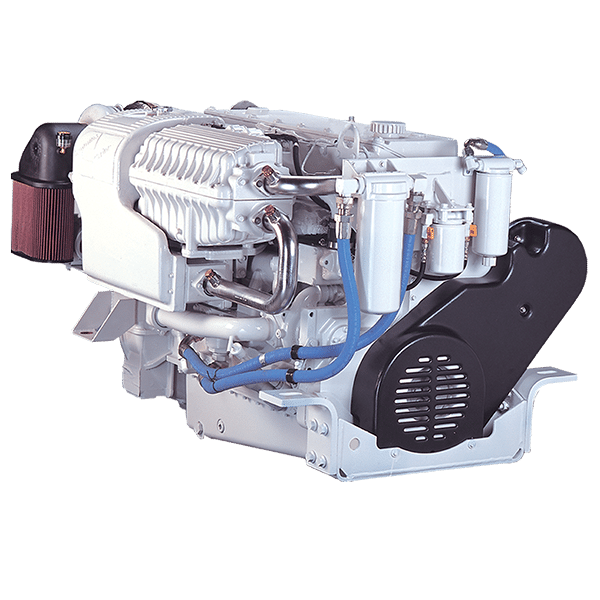
How to Master Cummins QSM11 Marine Engine Cooling System Maintenance
Professional Cummins marine cooling-system maintenance for offshore reliability throughout Ventura Harbor, Channel Islands Harbor, Oxnard, and Santa Barbara.
Cummins QSM11 marine engines are known for strong offshore performance, reliability, torque delivery, and long service life. However, like all high-output marine diesel platforms, the QSM11 depends heavily on a properly maintained cooling system to prevent overheating, corrosion, reduced efficiency, and catastrophic engine damage.
805 Marine Diesel Mechanic specializes in mobile dockside diagnostics, cooling-system service, preventative maintenance, raw-water troubleshooting, aftercooler service, and Cummins marine diesel support throughout California’s Central Coast.
Marine cooling systems operate in extremely harsh environments involving saltwater exposure, corrosion, mineral buildup, marine growth, vibration, and thermal cycling that gradually reduce cooling efficiency over time.
If your Cummins marine engine is already showing rising temperatures, coolant loss, reduced raw-water discharge, overheating alarms, or poor offshore performance, begin with the Master Marine Diesel Troubleshooting Guide before larger cooling-system failures develop.
Book Cummins Cooling System Service
Why Cooling-System Maintenance Matters on Cummins Marine Engines
Marine diesel engines generate tremendous heat under offshore load conditions. Cooling systems must constantly remove heat from the engine block, turbochargers, aftercoolers, oil coolers, and transmission systems while operating in corrosive seawater environments.
Poor cooling-system maintenance can lead to:
- Overheating under load
- Heat exchanger blockage
- Aftercooler corrosion
- Turbocharger damage
- Cylinder-head failures
- Reduced fuel efficiency
- Coolant contamination
- Complete engine shutdowns
Routine inspections and preventative service dramatically improve long-term Cummins reliability offshore.
Helpful maintenance references include Cummins Maintenance Schedule and Marine Cooling System Overview.
How the Cummins QSM11 Cooling System Works
Most Cummins QSM11 marine engines use a closed cooling-system design with raw-water heat exchangers. This configuration improves engine longevity while reducing internal corrosion inside the engine block.
The system generally includes:
- Raw-water pump
- Heat exchanger
- Coolant circulation pump
- Aftercooler
- Thermostats
- Transmission cooler
- Engine oil cooler
- Coolant reservoir
Seawater removes heat from the heat exchanger while coolant circulates internally through the engine block and cylinder head.

Fresh-Water Flushing Systems Reduce Corrosion
Fresh-water flushing remains one of the most effective ways to reduce corrosion, salt buildup, marine growth, and cooling-system restriction inside raw-water marine diesel systems.
At 805 Marine Diesel Mechanic, purpose-built flushing systems are installed to simplify routine flushing procedures after offshore trips.
Benefits of fresh-water flushing include:
- Reduced internal corrosion
- Reduced salt accumulation
- Longer impeller life
- Cleaner heat exchangers
- Reduced marine growth
- Improved cooling efficiency
Flushing systems can often support multiple engines and generators simultaneously depending on dockside water pressure and vessel configuration.
Helpful flushing references include Fresh Water Flushing System and 805 Marine Diesel Mechanic Flushing Install Examples.
Heat Exchanger and Aftercooler Service Intervals
Heat exchangers and aftercoolers require regular inspections because saltwater mineral buildup gradually reduces cooling efficiency and increases internal corrosion risk.
Typical Cummins service intervals commonly include:
- Heat exchanger inspection every 1,500 hours
- Annual raw-water inspection
- Aftercooler service every 3 years
- Cooler flushing during annual tune-ups
- Pressure testing after servicing
Ignoring aftercooler service intervals often leads to corrosion damage, airflow restriction, and reduced turbocharger efficiency.
Helpful support references include Marine Heat Exchanger and Pump Basics.
Raw-Water Pump and Impeller Maintenance
Raw-water pumps and impellers remain critical components of the marine cooling system. Impeller damage or raw-water restriction can rapidly cause overheating under offshore load conditions.
Routine raw-water service commonly includes:
- Annual impeller replacement
- Pump inspection
- Seal inspections
- Housing inspections
- Flow verification
- Belt inspections
Worn impellers often begin failing gradually before eventually causing major cooling-system flow reduction.
Descaling Marine Cooling Systems
Mineral scale, marine growth, and salt accumulation gradually reduce cooling efficiency inside heat exchangers, aftercoolers, and oil coolers.
Descaling procedures commonly involve:
- Closed-loop chemical circulation
- Heat exchanger flushing
- Aftercooler cleaning
- Raw-water-side descaling
- Neutralization and rinse procedures
Products such as Barnacle Buster and Sea Flush systems are commonly used to safely remove mineral buildup and restore cooling efficiency.

Monthly Cooling-System Inspections
Routine inspections help identify developing cooling problems before offshore overheating occurs.
Monthly inspections should include:
- Coolant-level checks
- Raw-water strainer inspections
- Hose and clamp inspections
- Leak inspections
- Raw-water discharge verification
- Temperature monitoring
- Coolant contamination inspection
Early leak detection and hose replacement help prevent sudden offshore failures.
Common Cummins QSM11 Overheating Problems
Overheating often begins gradually before becoming severe under sustained offshore load conditions.
Common causes of overheating include:
- Restricted raw-water flow
- Clogged heat exchangers
- Damaged impellers
- Aftercooler corrosion
- Thermostat failures
- Coolant leaks
- Collapsed hoses
Ignoring rising temperatures can quickly lead to cylinder-head damage, turbocharger failures, or complete engine shutdowns.
Helpful diagnostics references include Marine Overheating Diagnosis.
Regional Cooling Challenges Along California’s Central Coast
Boats operating throughout Ventura Harbor, Channel Islands Harbor, and Santa Barbara face unique cooling-system challenges involving kelp, silt, marine growth, eelgrass, and variable seawater temperatures.
Regional maintenance recommendations include:
- Frequent sea strainer cleaning
- Post-trip freshwater flushing
- Annual cooler inspections
- Seasonal descaling service
- Cooling-system performance logging
Keeping detailed maintenance records helps identify temperature trends and developing cooling restrictions before serious damage occurs.
Mobile Cummins Marine Diesel Service Throughout Ventura and Channel Islands Harbor
805 Marine Diesel Mechanic provides mobile dockside cooling-system diagnostics, raw-water troubleshooting, aftercooler inspections, preventative maintenance, and Cummins marine diesel service throughout Ventura Harbor, Channel Islands Harbor, Oxnard, and Santa Barbara.
Mobile dockside service allows marine diesel systems to be inspected directly at the vessel while minimizing downtime and unnecessary transport.
For additional Cummins marine information, review Cummins Marine and ABYC Standards.
Final Thoughts
Proper cooling-system maintenance remains essential for protecting Cummins marine diesel engines from overheating, corrosion, mineral buildup, and expensive offshore failures.
Routine flushing, heat exchanger service, impeller inspections, coolant testing, and preventative maintenance dramatically improve offshore reliability while extending the life of your Cummins QSM11 cooling system.
Cummins Cooling System FAQ
How often should I flush the raw-water side?
Fresh-water flushing after every saltwater trip helps reduce corrosion, scale buildup, and marine growth.
What coolant should I use in a Cummins QSM11?
Always use Cummins-approved coolant and avoid mixing incompatible coolant types.
How often should heat exchangers be serviced?
Heat exchangers are commonly inspected every 1,500 hours and serviced as needed based on operating conditions.
When should raw-water impellers be replaced?
Impellers should generally be replaced annually or sooner if cooling flow decreases.
What causes marine diesel overheating?
Common causes include restricted raw-water flow, clogged heat exchangers, damaged impellers, and coolant leaks.
Can marine growth reduce cooling efficiency?
Yes, marine growth and mineral scale can severely restrict cooling-system flow and heat transfer.
Do you provide mobile Cummins cooling-system service?
Yes, 805 Marine Diesel Mechanic provides mobile dockside cooling-system diagnostics and service.
What areas do you service?
Service areas include Ventura Harbor, Channel Islands Harbor, Oxnard, and Santa Barbara.
Does 805 Marine Diesel Mechanic service outboards?
No, 805 Marine Diesel Mechanic specializes exclusively in inboard marine diesel systems.
Why is preventative cooling-system maintenance important?
Preventative maintenance helps reduce overheating risk and protects engines from expensive offshore failures.