
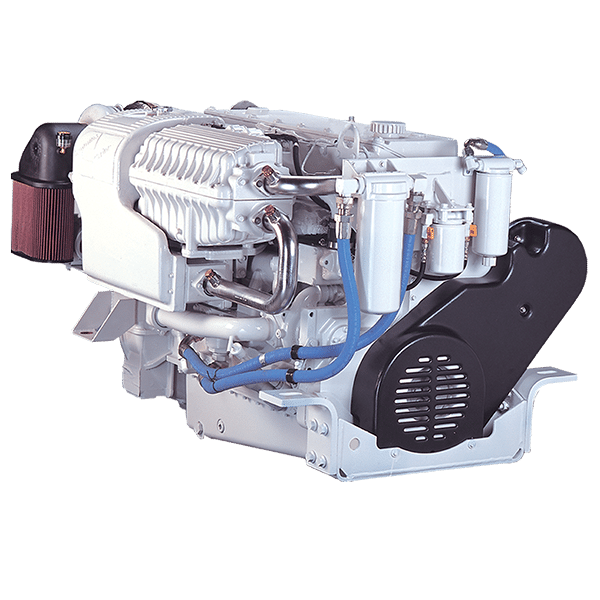
Cummins QSM11 Fuel System Upgrades for Offshore Reliability
Professional Cummins QSM11 fuel-system upgrades, Racor filtration installation, and offshore diesel diagnostics throughout Ventura Harbor, Oxnard, Channel Islands Harbor, and Santa Barbara.
The Cummins QSM11 marine diesel platform is known for exceptional offshore power, smooth torque delivery, and long-term durability. However, modern high-pressure marine diesel systems depend heavily on exceptionally clean fuel to protect injectors, fuel pumps, and combustion systems.
805 Marine Diesel Mechanic specializes exclusively in inboard marine diesel systems and provides mobile dockside diagnostics, fuel-system upgrades, Racor installations, Fleetguard filtration upgrades, cooling-system service, and offshore diesel support throughout California’s Central Coast.
Marine fuel contamination remains one of the leading causes of offshore diesel failures. Water intrusion, algae growth, sediment, corrosion particles, and degraded fuel hoses can rapidly damage expensive common-rail fuel systems while causing smoke, rough running, injector damage, shutdowns, and offshore reliability problems.
If your Cummins diesel is already showing hard starting, smoke, fuel restriction, or unstable RPM under load, begin with the Master Marine Diesel Troubleshooting Guide before larger fuel-system failures develop.
Schedule Cummins Fuel-System Service
Why Clean Fuel Matters on Modern Marine Diesels
Modern electronically controlled marine diesel engines operate with extremely tight fuel tolerances. The Cummins QSM11 uses advanced injection systems that rely on stable fuel pressure, precise atomization, and contamination-free fuel delivery to maintain proper combustion efficiency.
Even small amounts of contamination can create:
- Injector wear
- Poor combustion efficiency
- Hard starting
- Smoke under load
- Power loss
- Fuel-pressure instability
- Expensive injector-system failures
Fuel-system upgrades help protect the engine while improving long-term offshore reliability.
Helpful service references include Marine Mechanic Ventura CA.
Common Marine Fuel Problems Along the California Coast
Boats operating throughout Ventura Harbor, Oxnard, Channel Islands Harbor, and Santa Barbara face constant exposure to moisture, condensation, salt-air intrusion, and long fuel-storage cycles.
Common marine fuel problems include:
- Water contamination
- Microbial algae growth
- Rust and sediment buildup
- Wax crystallization
- Fuel-hose deterioration
- Air intrusion
- Restricted filtration
Warm temperatures and partially filled tanks frequently accelerate microbial growth inside marine fuel tanks.
Routine filtration maintenance dramatically reduces injector-system wear and offshore shutdown risks.
Racor Fuel Filter and Water Separator Upgrades
Racor turbine filtration systems remain one of the most trusted fuel-protection systems in the marine industry.
Modern Racor upgrades commonly include:
- Dual turbine filtration systems
- Water-separator upgrades
- Vacuum restriction gauges
- Dash-mounted monitoring systems
- Water-in-fuel alarms
- Integrated shutoff valves
Modern turbine filtration systems improve water separation while reducing fuel restriction and simplifying service access offshore.
Helpful fuel-system references include Marine Fuel Filtration Upgrades.
Fuel Restriction Monitoring and Vacuum Gauges
Fuel restriction often develops gradually as filters collect sediment, microbial contamination, and water intrusion.
Vacuum gauges allow operators to monitor:
- Filter restriction levels
- Fuel-delivery efficiency
- Developing contamination issues
- Filter service intervals
- Flow instability
Monitoring fuel restriction before filters become severely clogged helps prevent unexpected offshore shutdowns.
Dash-mounted gauges allow captains to observe restriction changes during offshore operation without opening the engine room.
Fleetguard NanoNet Filtration Advantages
Fleetguard NanoNet filtration systems provide extremely fine contaminant retention while maintaining strong fuel flow characteristics under varying offshore conditions.
Fleetguard NanoNet systems commonly provide:
- Improved contaminant retention
- Reduced injector wear
- Improved water-holding capacity
- Longer service intervals
- Reduced restriction levels
- Improved offshore fuel stability
These systems become especially valuable for offshore boats operating long distances where fuel contamination can quickly become a serious operational problem.
USCG-Approved Fuel Hose Upgrades
Fuel hoses gradually deteriorate from heat cycling, vibration, ethanol exposure, diesel compatibility issues, and age-related cracking.
Professional hose upgrades commonly include:
- USCG-approved marine fuel hose
- Compression fittings
- Proper fuel-line routing
- Air-intrusion prevention
- Fire-resistant hose construction
- Leak prevention upgrades
Old hoses and deteriorated fittings frequently create small air leaks that introduce unstable fuel pressure and hard-start conditions.
Fuel-hose replacement becomes especially important on older offshore vessels where original fuel plumbing may no longer meet modern standards.
Preventative Fuel-System Maintenance
Preventative maintenance remains critical for protecting modern common-rail marine diesel engines from expensive fuel-related failures.
Routine fuel-system maintenance commonly includes:
- Primary filter replacement
- Secondary filter replacement
- Tank inspections
- Water separator service
- Vacuum testing
- Fuel polishing
- Fuel sampling
Routine maintenance helps identify contamination problems before injector systems become damaged.
Helpful maintenance references include Cummins Maintenance Schedule and FPT Maintenance Schedule.
Fuel Systems and Offshore Reliability
Fuel-system reliability becomes increasingly important for offshore operators traveling long distances where emergency service may not be immediately available.
Offshore fuel-system reliability commonly depends on:
- Proper filtration sizing
- Clean fuel storage
- Restriction monitoring
- Routine service intervals
- Quality hose construction
- Water intrusion prevention
Even highly reliable marine diesel engines can suffer catastrophic shutdowns if contaminated fuel reaches the injection system.
Supporting Offshore Cruising and Sportfishing Operations
Long-range sportfishing vessels, charter operations, and offshore cruisers often place extended continuous loads on marine fuel systems.
Extended offshore operation commonly increases:
- Fuel turnover rates
- Heat exposure
- Fuel recirculation temperatures
- Filtration demand
- Contamination sensitivity
High-capacity filtration systems and proper fuel monitoring help maintain stable offshore operation during extended trips.
Helpful offshore references include Cummins QSM11 Marine Engine Survey.
Freshwater Flushing and Corrosion Prevention
Salt accumulation and moisture exposure gradually affect marine diesel systems throughout the engine room.
Freshwater flushing and routine cleaning help reduce:
- Salt buildup
- Corrosion development
- Electrical deterioration
- Cooling-system corrosion
- Fuel-system contamination risks
Routine cleaning and corrosion prevention improve long-term engine-room reliability.
Helpful support references include Fresh-Water Flushing Systems.
Mobile Cummins Fuel-System Service Throughout Ventura and Santa Barbara
805 Marine Diesel Mechanic provides mobile dockside diagnostics, Racor installations, Fleetguard upgrades, fuel-system diagnostics, hose replacement, and preventative marine diesel service throughout Ventura Harbor, Oxnard, Channel Islands Harbor, and Santa Barbara.
Mobile dockside service allows fuel systems to be inspected and upgraded directly at the vessel while minimizing downtime and transportation expenses.
For additional marine fuel-system information, review Racor Filtration Systems and ABYC Standards.
Final Thoughts
Modern Cummins marine diesel engines depend heavily on clean fuel, proper filtration, and stable fuel delivery to maintain offshore reliability and injector-system longevity.
With proper Racor filtration, Fleetguard NanoNet protection, USCG-approved hose upgrades, and preventative fuel-system maintenance, Cummins QSM11 engines can provide excellent offshore reliability throughout California’s demanding marine environment.
Cummins QSM11 Fuel-System Upgrade FAQ
Why is clean fuel so important for the Cummins QSM11?
Modern common-rail diesel systems require extremely clean fuel to protect injectors, pumps, and combustion efficiency.
What does a Racor fuel separator do?
Racor turbine systems separate water and contaminants before fuel reaches sensitive injection components.
Why are vacuum gauges important?
Vacuum gauges help monitor filter restriction and identify developing contamination before offshore shutdowns occur.
What causes marine diesel fuel contamination?
Common causes include water intrusion, algae growth, sediment buildup, condensation, and deteriorated fuel hoses.
What are Fleetguard NanoNet filters?
Fleetguard NanoNet filters provide advanced contaminant retention while maintaining strong fuel flow characteristics.
Do you install USCG-approved marine fuel hoses?
Yes, 805 Marine Diesel Mechanic installs USCG-approved marine fuel hose and compression fittings.
Do you provide mobile dockside fuel-system service?
Yes, mobile dockside fuel-system diagnostics and upgrades are available throughout the Central Coast.
What areas do you service?
Service areas include Ventura Harbor, Oxnard, Channel Islands Harbor, and Santa Barbara.
Does 805 Marine Diesel Mechanic service outboards?
No, 805 Marine Diesel Mechanic specializes exclusively in inboard marine diesel systems.
Why is preventative maintenance important for marine fuel systems?
Preventative maintenance helps reduce injector damage, offshore shutdowns, and expensive fuel-system failures.
One Response