
Twin Disc marine reduction gear maintenance helps prevent shifting problems, transmission noise, overheating, vibration, and premature drivetrain wear.

805 Marine Diesel Mechanic provides Twin Disc marine reduction gear maintenance, oil service, strainer cleaning, zinc replacement, damper plate diagnosis, vibration troubleshooting, and drivetrain inspections for diesel vessels throughout Santa Barbara Harbor, Ventura Harbor, Oxnard, and Channel Islands Harbor.
Before assuming the transmission is the problem, start with the Marine Diesel Troubleshooting Guide. Many Twin Disc noise and vibration complaints begin with engine idle quality, damper plate wear, shaft alignment, motor mounts, or drivetrain loading instead of an internal gearbox failure.
Twin Disc Marine Reduction Gear Maintenance
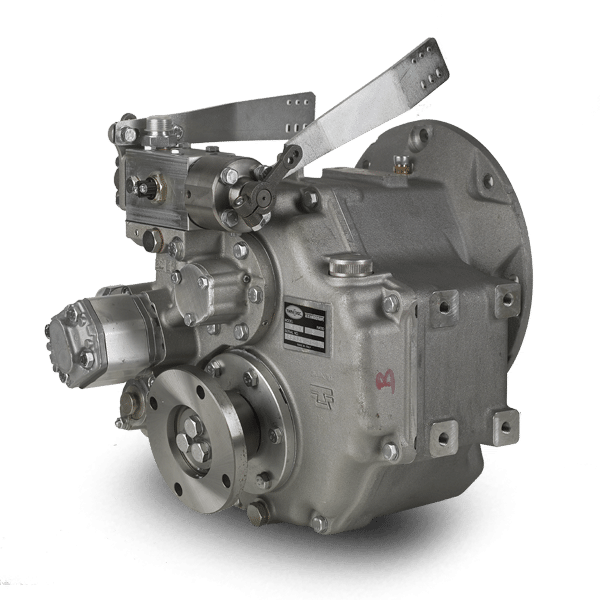
Twin Disc reduction gears are built for long service life, but they still require clean oil, proper cooling, correct alignment, and routine inspection. Marine transmissions operate under constant torque load, shifting load, saltwater exposure, vibration, and heat. Neglecting maintenance can lead to clutch wear, cooler corrosion, slipping, backlash noise, and expensive internal damage.
For broader marine transmission support, visit Marine Transmission Service & Repair.
Twin Disc Oil Change Intervals
Transmission oil condition is critical for hydraulic pressure, clutch engagement, bearing lubrication, and heat control. Many Twin Disc reduction gears should have oil changed about every six months under normal use, with shorter intervals for heavily used vessels, commercial boats, or engines that idle frequently.
Heavy idling can be harder on a transmission than many owners realize. At low RPM, diesel firing impulses are spaced farther apart, which can transfer more vibration into the gearbox. This increases gear rattle, backlash noise, and wear on the damper plate and transmission input components.
- Change reduction gear oil every six months for many recreational vessels
- Service more often for high-hour or commercial use
- Inspect oil condition for discoloration, metal, or burnt smell
- Use manufacturer-approved oil specifications
- Document every service interval
Transmission Cooler Zinc Anodes
Transmission heat exchangers and oil coolers often use zinc anodes to protect internal seawater passages from corrosion. These zincs should be inspected and replaced regularly, especially in saltwater locations such as Ventura Harbor, Channel Islands Harbor, and Santa Barbara Harbor.
Neglected zincs can allow corrosion to attack the transmission cooler, which may lead to oil contamination, overheating, cooler failure, and internal transmission damage.
For cooling-system support, visit the Cooling System Diagnosis Center.
Twin Disc Oil Strainer Cleaning
The oil strainer inside the reduction gear captures clutch material, debris, and contamination before it circulates through the transmission. A clogged strainer can reduce lubrication flow and increase operating temperature.
Many Twin Disc oil strainers should be cleaned around every 1,000 operating hours, although high-load vessels may require more frequent inspection.
- Inspect strainer condition
- Clean debris from the screen
- Check for metal particles
- Inspect oil condition
- Confirm proper sealing after reassembly
Diagnosing Twin Disc Transmission Noise
Transmission noise is often blamed on the gearbox, but the root cause may be an unevenly running engine. If cylinder compression is not within a close range across all cylinders, inconsistent firing impulses can create gear chatter and backlash noise at idle.
A compression check should be performed before condemning the transmission. If the engine is not running smoothly, the transmission may rattle even when the gearbox itself is healthy.
For the kind of diagnostic role involved in separating engine issues from drivetrain issues, see What Does a Marine Diesel Mechanic Do?.
Damper Plate and Drive Plate Problems
The damper plate connects the engine flywheel to the transmission input shaft. It absorbs firing impulses and smooths torque transfer before the load reaches the gearbox. When the damper plate wears, cracks, loosens, or loses spring tension, the transmission may rattle or chatter at idle.
Damper plate noise may appear:
- At idle
- When shifting into gear
- During light acceleration
- When RPM drops suddenly
- When engine firing is uneven
Replacing a worn damper plate can often restore smooth engagement and reduce unnecessary transmission stress.
Flexible Couplings and Drivetrain Vibration
Flexible shaft couplings help reduce vibration and shock loading between the transmission and propeller shaft, but they do not replace proper alignment or correct engine operation. If a Twin Disc gearbox is noisy, the coupling, shaft, mounts, propeller, and cutlass bearing should all be inspected.
For related drivetrain support, visit Marine Flexible Shaft Coupling.
Operating Habits That Extend Transmission Life
Twin Disc transmissions generally last longest when operated at steady cruising speeds with smooth shifting and minimal excessive idling. High-RPM shifting, long idle periods, poor engine tune, and vibration all increase internal stress.
- Avoid long idle periods when possible
- Shift smoothly and deliberately
- Do not shift at high RPM
- Keep engine idle quality smooth
- Maintain correct oil level
- Inspect transmission coolers and zincs
- Check alignment after mount or coupling work
For maintenance planning, visit the Marine Diesel Engine Maintenance Schedule.
Engine Health Affects Transmission Health
A marine transmission is only as smooth as the engine driving it. Fuel-system problems, rough idle, poor compression, worn injectors, or engine mount failure can all transfer vibration into the gearbox.
For related fuel-system support, visit the Fuel System Diagnosis Center. For mount-related vibration problems, visit Marine Engine Motor Mount Replacement.
Transmission Alignment and Sea Trial Testing
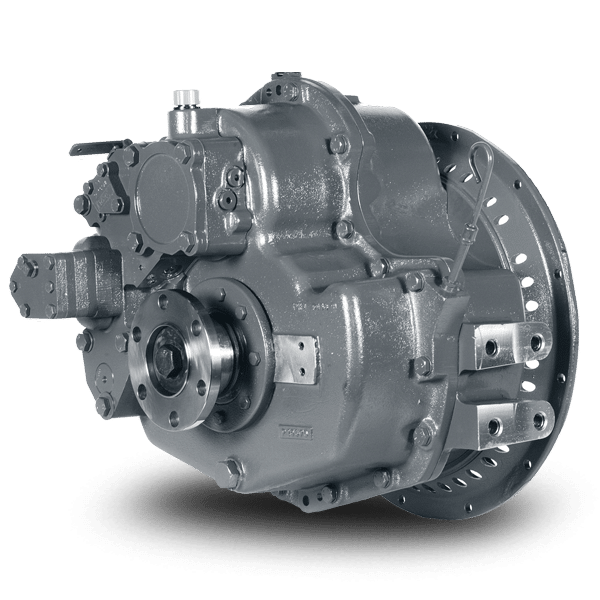
After transmission service, damper plate work, coupling replacement, or mount adjustment, drivetrain alignment should be verified. Poor alignment can cause vibration, shaft wear, coupling wear, seal leakage, and transmission output bearing stress.
A proper Twin Disc service inspection may include:
- Oil condition review
- Oil strainer inspection
- Cooler zinc replacement
- Cooler leak inspection
- Damper plate evaluation
- Engine idle-quality review
- Coupling inspection
- Shaft alignment check
- Sea trial under load
For vessel inspection support, visit Marine Engine Survey.
Twin Disc Service in Ventura and Santa Barbara
805 Marine Diesel Mechanic services Twin Disc reduction gears and inboard diesel drivetrains throughout Santa Barbara Harbor, Ventura Harbor, Oxnard marinas, and Channel Islands Harbor. Services include oil changes, strainer cleaning, damper plate diagnosis, cooler zinc service, vibration troubleshooting, alignment checks, and drivetrain evaluations.
For local diesel service, visit Marine Mechanic Ventura CA and Mobile Marine Services Santa Barbara.
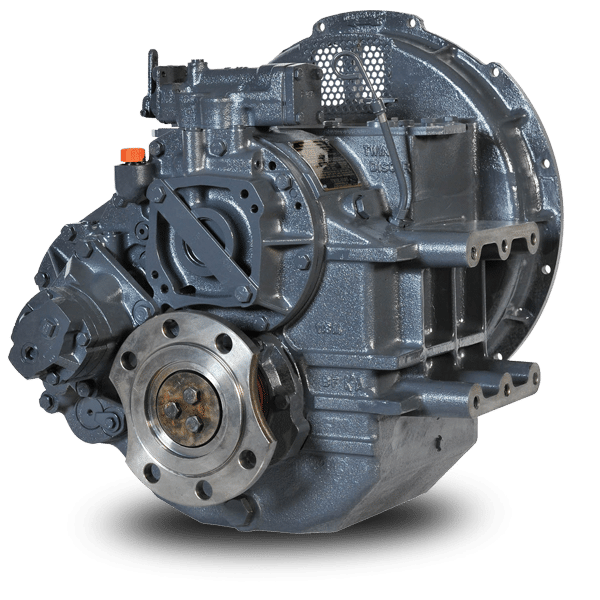
If your Twin Disc transmission is noisy at idle, slipping, overheating, leaking, or shifting harshly, the full engine and drivetrain system should be inspected before replacing major components.
Contact 805 Marine Diesel Mechanic
How often should Twin Disc marine reduction gear oil be changed?
Many Twin Disc marine transmissions should have oil changed about every six months, with shorter intervals for heavy-use vessels.
Why does idling affect marine transmissions?
At idle, diesel firing impulses are farther apart, which can increase vibration and backlash noise in the gearbox.
What causes Twin Disc transmission noise?
Noise may come from uneven engine firing, worn damper plates, poor alignment, low oil, or internal gearbox wear.
Should engine compression be checked before blaming the transmission?
Yes. Uneven compression can cause inconsistent firing impulses that make a healthy transmission rattle.
What does a damper plate do?
The damper plate absorbs firing impulses from the engine and smooths torque transfer into the transmission input shaft.
When should Twin Disc oil strainers be cleaned?
Many Twin Disc oil strainers should be cleaned around every 1,000 operating hours or sooner in heavy service.
Why are transmission cooler zincs important?
Zinc anodes protect transmission coolers from saltwater corrosion and should be replaced regularly.
Can poor engine tuning damage a marine transmission?
Yes. Rough engine operation increases vibration and shock loading through the gearbox.
Can flexible couplings reduce Twin Disc vibration?
Flexible couplings can reduce vibration and shock loading when the drivetrain is correctly aligned.
Does transmission service include alignment?
Alignment should be checked when vibration, coupling wear, mount problems, or drivetrain noise is present.
Can high-RPM shifting damage a marine transmission?
Yes. High-RPM shifting can stress clutch packs, bearings, gears, and damper plates.
What are signs of marine transmission trouble?
Common signs include slipping, harsh engagement, oil leaks, overheating, noise, vibration, or delayed shifting.
Can transmission oil condition reveal problems?
Yes. Burnt oil, metal particles, discoloration, or contamination can indicate internal wear or overheating.
Should Twin Disc coolers be inspected?
Yes. Transmission coolers should be inspected for corrosion, restriction, leaking, and zinc condition.
Can a worn motor mount affect the transmission?
Yes. Worn mounts can change alignment and increase vibration through the transmission and shaft system.
Can a bad propeller cause transmission vibration?
Yes. A damaged or unbalanced propeller can send vibration through the shaft and gearbox.
What is the best operating condition for Twin Disc gears?
Steady cruising speeds, smooth shifting, correct oil level, and minimal excessive idling help extend transmission life.
Can Twin Disc transmissions last thousands of hours?
Yes. With clean oil, proper cooling, correct alignment, and good operating habits, Twin Disc gears can provide long service life.
Where does 805 Marine Diesel Mechanic service Twin Disc transmissions?
805 Marine Diesel Mechanic services Twin Disc reduction gears throughout Santa Barbara Harbor, Ventura Harbor, Oxnard, and Channel Islands Harbor.
Who should diagnose Twin Disc transmission noise?
A trained marine diesel technician should inspect the engine, damper plate, coupling, alignment, and gearbox before recommending major repairs.