
Marine diesel engine maintenance is one of the most important investments a boat owner can make to protect reliability, reduce repair costs, and prevent catastrophic offshore engine failures. At 805 Marine Diesel Mechanic, comprehensive marine engine maintenance services are designed to keep inboard diesel propulsion systems operating safely and efficiently throughout Ventura Harbor, Channel Islands Harbor, Oxnard, and Santa Barbara Harbor.
Proper maintenance is not simply about replacing filters and changing oil. A complete marine diesel maintenance schedule includes cooling-system service, fuel-system inspections, diagnostics, transmission service, exhaust inspection, raw-water pump maintenance, corrosion prevention, and ongoing troubleshooting support.
For broader diesel troubleshooting support, visit the Marine Diesel Troubleshooting Guide.
Schedule Marine Diesel Engine Service
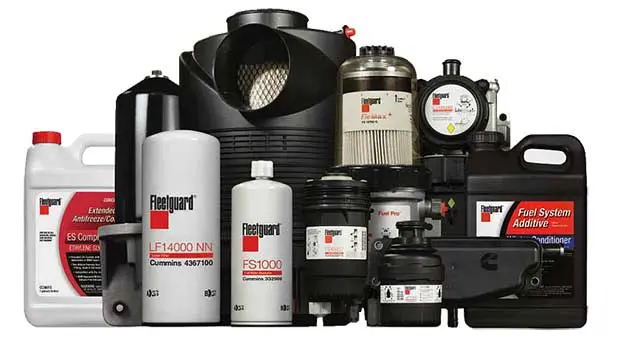
Comprehensive Marine Diesel Engine Maintenance Services
Modern marine diesel engines depend on multiple interconnected systems operating together correctly under heavy load and harsh marine conditions. Preventive maintenance helps reduce wear, prevent corrosion, improve fuel efficiency, and minimize the risk of unexpected breakdowns offshore.
805 Marine Diesel Mechanic provides maintenance and repair support for major marine diesel engine systems including:
- Engine tune-ups
- Computerized engine diagnostics
- Oil and filter changes
- Oil sampling and oil analysis
- Raw-water pump maintenance
- Impeller replacement
- Fuel injector testing and replacement
- Cooling system maintenance
- Steering-system diagnostics
- Valve adjustments
- Heat-exchanger servicing
- Generator service
- Zinc replacement
- Transmission and marine gear servicing
- Exhaust manifold flushing and repair
- Video borescope inspections
Routine maintenance reduces downtime while helping owners avoid major repair expenses associated with overheating, lubrication failures, fuel contamination, and corrosion-related engine damage.
Daily Marine Diesel Engine Inspection Procedures
Daily inspections are critical for identifying developing problems before they become serious failures. A simple visual inspection often reveals warning signs that should not be ignored.
Before operating the engine, inspect for:
- Oil leaks
- Fuel leaks
- Coolant leaks
- Loose hose clamps
- Corrosion buildup
- Damaged belts
- Cracked hoses
- Electrical corrosion
- Excessive exhaust heat
- Abnormal vibration
Checking fluid levels daily is equally important. Sudden drops in coolant, oil, or fuel quality may indicate internal problems, contamination, or developing leaks.
Boat owners should routinely monitor:
- Engine oil condition
- Coolant levels
- Fuel contamination
- Battery voltage
- Exhaust appearance
- Raw-water discharge flow
Even small changes in engine behavior can indicate larger developing issues. Catching those problems early often prevents expensive engine repairs later.
Weekly Marine Diesel Maintenance Schedule
Some marine diesel maintenance items should be performed weekly, especially for vessels operating regularly in saltwater environments around Ventura Harbor and the Channel Islands.
Weekly maintenance tasks often include:
- Cleaning air filters
- Draining water separators
- Inspecting fuel filters
- Checking battery condition
- Inspecting seawater strainers
- Inspecting engine mounts
- Checking belt tension
- Cleaning corrosion buildup
Water intrusion is one of the leading causes of marine diesel fuel problems. Draining water separators regularly helps reduce contamination and injector-system damage.
For additional fuel-system troubleshooting information, see the Fuel System Diagnosis Center.
Marine Diesel Cooling System Maintenance
The cooling system is one of the most heavily stressed systems on a marine diesel engine. Saltwater exposure, restricted cooling passages, marine growth, and worn impellers can quickly lead to overheating problems.
Cooling-system service generally includes:
- Heat-exchanger cleaning
- Coolant inspection
- Raw-water pump servicing
- Impeller replacement
- Cooling-hose inspection
- Aftercooler servicing
- Thermostat testing
- Cooling-system flushing
- Zinc replacement
For more cooling-system support, visit the Cooling System Diagnosis Center.
Many overheating complaints originate from partially blocked seawater passages or deteriorating impellers. Impeller blades may separate and become lodged inside coolers or heat exchangers, restricting flow even after a new impeller has been installed.
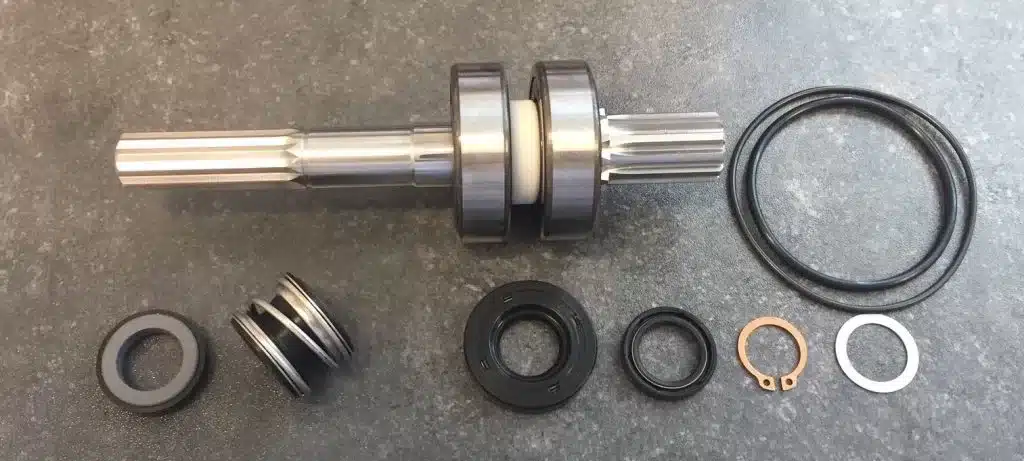
Raw-Water Pump and Impeller Maintenance
Raw-water pumps are critical for moving seawater through the engine cooling system. A damaged impeller or worn pump can rapidly create dangerous overheating conditions under load.
Most marine diesel manufacturers recommend replacing raw-water impellers every season or approximately every 250 operating hours depending on operating conditions.
Common symptoms of impeller or seawater-pump problems include:
- Overheating at cruise RPM
- Low seawater discharge
- Steam at the exhaust outlet
- Burning exhaust hose smell
- Temperature alarms
- Loss of engine power
For more detailed seawater-pump support, visit the Marine Raw Water Pump Maintenance page.
Oil Changes and Lubrication Maintenance
Lubrication is essential for protecting internal engine components against wear, heat, and contamination. Delaying oil service can accelerate bearing wear, turbocharger damage, and internal engine deterioration.
Routine lubrication-system maintenance generally includes:
- Engine oil changes
- Oil filter replacement
- Transmission fluid service
- Oil sampling
- Checking for coolant contamination
- Checking for fuel dilution
Oil analysis is particularly valuable for identifying internal engine wear before major failure occurs. Elevated metal content or contamination may reveal injector problems, bearing wear, or coolant leakage.
Advanced Diagnostics and Troubleshooting
Modern marine diesel engines often rely heavily on electronic control systems, sensors, and computerized engine management. When performance problems appear, diagnostics help identify the actual source of the issue before unnecessary parts are replaced.
Advanced diagnostic procedures may include:
- ECM scanning
- Compression testing
- Fuel-system analysis
- Thermal imaging
- Sea trials
- Injector balance testing
- Borescope inspections
For advanced diagnostic support, visit the Computerized Marine Diesel Engine Survey Diagnosis Center.
Diagnostics become especially important when engines experience:
- Hard starting
- Black smoke
- White smoke
- Overheating
- RPM loss
- Fuel-consumption increases
- Vibration
- Shutdown alarms
Preventive Maintenance Protects Your Boating Season
Preventive maintenance is one of the best ways to avoid losing valuable boating time due to unexpected breakdowns. Saltwater environments accelerate corrosion and wear, especially on vessels operating regularly around Ventura Harbor, Channel Islands Harbor, and Santa Barbara Harbor.
Routine inspections and maintenance help identify:
- Cooling-system restriction
- Fuel contamination
- Corrosion buildup
- Electrical problems
- Injector wear
- Turbocharger issues
- Transmission problems
- Exhaust-system deterioration
Maintaining the engine proactively helps improve reliability, reduce repair costs, and extend overall engine life.
Marine Diesel Maintenance and Engine Surveys
Maintenance records also play an important role during vessel resale or pre-purchase inspections. Buyers often want to verify whether routine servicing has been performed correctly and consistently.
For engine-survey support, visit the Marine Engine Survey page.
Well-maintained marine diesel engines generally provide better reliability, stronger resale value, and reduced operational risk offshore.
Local Marine Diesel Service in Ventura and Santa Barbara
805 Marine Diesel Mechanic provides marine diesel maintenance, troubleshooting, diagnostics, cooling-system service, raw-water pump repair, fuel-system service, and preventative engine maintenance throughout Ventura Harbor, Oxnard, Channel Islands Harbor, and Santa Barbara Harbor.
For local mobile marine diesel support, visit Marine Mechanic Ventura CA.
Whether maintaining a cruising yacht, sportfishing vessel, commercial workboat, or generator system, routine marine diesel maintenance is one of the most important investments in long-term engine reliability.
Contact 805 Marine Diesel Mechanic
How often should marine diesel engines be serviced?
Most marine diesel engines require annual service or servicing every 250 operating hours depending on manufacturer recommendations and operating conditions.
Why is preventive marine diesel maintenance important?
Preventive maintenance helps identify developing problems before they become major engine failures. It also improves reliability and reduces repair costs.
How often should raw-water impellers be replaced?
Many marine diesel engines require impeller replacement every season or approximately every 250 hours. Operating conditions may shorten service intervals.
What causes overheating on marine diesel engines?
Common causes include restricted raw-water flow, damaged impellers, blocked heat exchangers, low coolant levels, or exhaust restrictions.
Can contaminated fuel damage marine diesel engines?
Yes. Water intrusion and contamination can damage injectors, reduce performance, and create engine shutdown problems.
What is included in marine diesel maintenance?
Maintenance often includes oil changes, filter replacement, cooling-system service, diagnostics, impeller replacement, and fuel-system inspection.
Why is oil analysis important?
Oil analysis can help identify internal engine wear, contamination, and developing mechanical problems before major failures occur.
How often should seawater strainers be cleaned?
Seawater strainers should be checked frequently, especially in debris-heavy or kelp-heavy waters.
Can diagnostics help during routine maintenance?
Yes. Diagnostics can identify hidden fault codes, sensor issues, and performance abnormalities during inspections.
Why are heat exchangers important?
Heat exchangers transfer heat away from the engine and help maintain safe operating temperatures.
What causes black smoke on marine diesel engines?
Black smoke can be caused by restricted airflow, fuel-system problems, overloaded engines, or turbocharger issues.
Should cooling systems be flushed regularly?
Yes. Flushing helps remove salt, corrosion, and marine buildup from cooling passages.
Can poor maintenance reduce fuel economy?
Yes. Dirty filters, restricted airflow, injector wear, and cooling problems can reduce engine efficiency.
How often should fuel filters be replaced?
Fuel filters are commonly replaced annually or every 250 operating hours depending on operating conditions.
Why are zincs important on marine engines?
Zincs help protect cooling systems and metal components from galvanic corrosion in saltwater environments.
Can electrical corrosion create engine problems?
Yes. Corroded terminals and poor grounds can create charging problems, starting failures, and intermittent faults.
Should marine diesel engines be inspected daily?
Daily inspections help identify leaks, overheating, corrosion, and developing problems before they worsen.
Can poor cooling flow damage turbochargers?
Yes. Overheating conditions can damage turbochargers and exhaust-system components.
What is the benefit of professional marine diesel maintenance?
Professional maintenance helps identify hidden problems, improve reliability, and reduce the risk of offshore breakdowns.
Who should perform advanced marine diesel diagnostics?
Advanced diagnostics should be performed by trained technicians familiar with marine diesel systems and computerized engine management.
Schedule Marine Diesel Engine Maintenance
805 Marine Diesel Mechanic provides preventative marine diesel maintenance, diagnostics, cooling-system service, raw-water pump repair, fuel-system service, and engine troubleshooting throughout Ventura Harbor, Channel Islands Harbor, Oxnard, and Santa Barbara Harbor.