
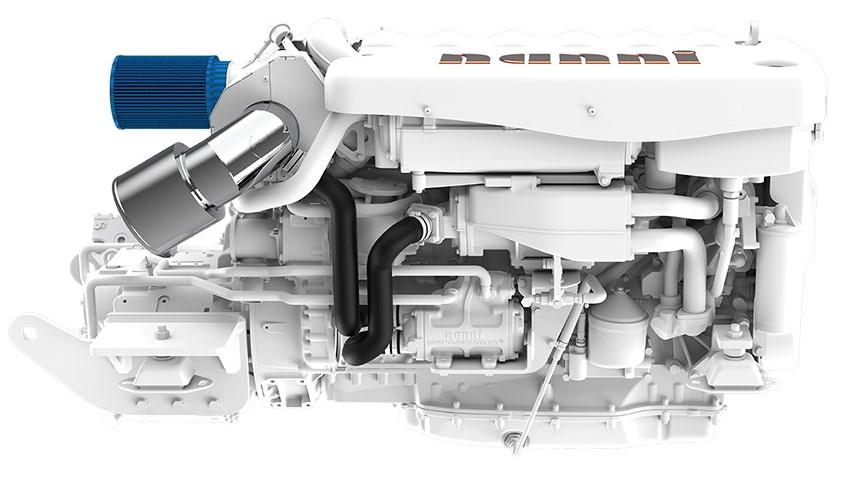
Marine Diesel Electrical Fire Risks
Electrical failures are one of the most serious risks inside a marine diesel engine room because they combine heat, current, and ignition potential in an enclosed space surrounded by fuel systems. Unlike mechanical problems that degrade gradually, electrical faults can escalate quickly—from minor resistance to full fire conditions.
At 805 Marine Diesel Mechanic, servicing Ventura, Oxnard, Channel Islands Harbor, and Santa Barbara, most electrical fire risks are traced back to small issues that were ignored: loose connections, chafed wiring, corrosion, or charging system instability. These are not isolated failures—they are system-level problems.
Start here:
Master Marine Diesel Troubleshooting Guide
Why Marine Electrical Systems Create Fire Risk
Marine environments amplify electrical hazards. Engine rooms combine high heat, vibration, moisture, and fuel presence. Electrical resistance generates heat, and when insulation degrades or connections loosen, that heat builds rapidly. In confined spaces, there is little airflow to dissipate it.
Corrosion increases resistance. Vibration loosens connections. Heat accelerates insulation breakdown. These factors together create conditions where even a small electrical issue can escalate into ignition.
This is why electrical faults often overlap with system instability seen in the Electrical & Starting System Diagnosis Center.
Battery & High-Amperage Circuit Failures
Battery systems and starter cables carry extremely high current. Any resistance at terminals or cable connections creates heat. Loose terminals are one of the most common causes of electrical fires.
Corroded connections increase resistance even when tight. Undersized cables overheat under load. These issues often appear as hard-start symptoms but are actually developing fire risks.
Related:
Hard Start Electrical Diagnostics
Wiring Harness & Chafing Failures
Wiring harnesses fail slowly through vibration. Over time, insulation wears through, exposing conductors. Once exposed, wires can short against engine components, generating heat instantly.
These failures are often hidden until a major fault occurs. Early symptoms may include intermittent shutdown or erratic electrical behavior.
Related:
Engine Shutdown Causes
Alternator & Charging System Fire Risks
Charging systems generate continuous heat. Overcharging increases voltage and temperature across the system, stressing insulation and components. Internal alternator failures can create shorts and excessive heat.
These faults often overlap with performance and shutdown issues, requiring deeper analysis through the Diagnostics Center.
Starter Circuit Risks
Starter circuits draw the highest current onboard. Resistance here generates rapid heat. A short in a starter cable can produce enough energy to ignite surrounding materials almost instantly.
Starter issues often appear as slow cranking but may indicate dangerous resistance buildup.
Fuel + Electrical Crossover Risk
The most dangerous condition is electrical heat combined with fuel presence. Fuel leaks, vapor, or residue near wiring dramatically increase fire potential.
This is why electrical inspection must include fuel system checks:
Fuel System Diagnosis Center
Air in Fuel System
Warning Signs Before Fire Risk Escalates
- Burning smell
- Hot wiring
- Voltage fluctuations
- Blown fuses
- Shutdown events
These symptoms often overlap with Loss of Power Under Load and Surging at Cruise.
Advanced Diagnostic Process
Proper diagnosis includes voltage drop testing, load testing, thermal inspection, and wiring inspection. Visual checks alone are not enough.
Related deeper issues:
Sluggish Acceleration
Starts Then Dies
Preventative Upgrades
- Marine-grade wiring
- Heat-shrink connectors
- Proper routing
- Improved grounding
External resources:
Cummins Manuals
Caterpillar Marine
Local Marine Electrical Specialists
805 Marine Diesel Mechanic provides mobile electrical diagnostics across Ventura, Oxnard, Channel Islands Harbor, and Santa Barbara with 30+ years experience.
FAQ
1. What causes electrical fires?
High resistance, poor connections, and heat buildup are the main causes. See Electrical Diagnosis.
2. Are diesel engines safe?
Safer than gas, but electrical faults can still ignite materials.
3. What is the biggest risk?
Battery and starter circuits due to high amperage.
4. Can wiring cause fires?
Yes, especially if chafed or improperly routed.
5. Can alternators cause fires?
Yes through overheating or overcharging.
6. Warning signs?
Burning smell, heat, voltage issues.
7. Can fuel increase risk?
Yes—fuel + electrical heat is critical risk.
8. Should I inspect yearly?
Yes minimum annually.
9. Can corrosion cause heat?
Yes, it increases resistance.
10. Can this cause shutdown?
Yes see Shutdown Causes.
11. Can it affect performance?
Yes, including power loss.
12. Are starter cables dangerous?
Yes, highest current onboard.
13. Can insulation fail?
Yes due to heat and age.
14. Can vibration cause issues?
Yes loosens connections.
15. Can overheating lead to fire?
Yes, directly.
16. Can diagnostics prevent fire?
Yes with proper testing.
17. What is voltage drop?
Indicator of resistance issues.
18. Should I upgrade wiring?
Yes for safety.
19. Who should inspect?
Trained technician.
20. Where to start?
Start with Master Guide.
One Response