
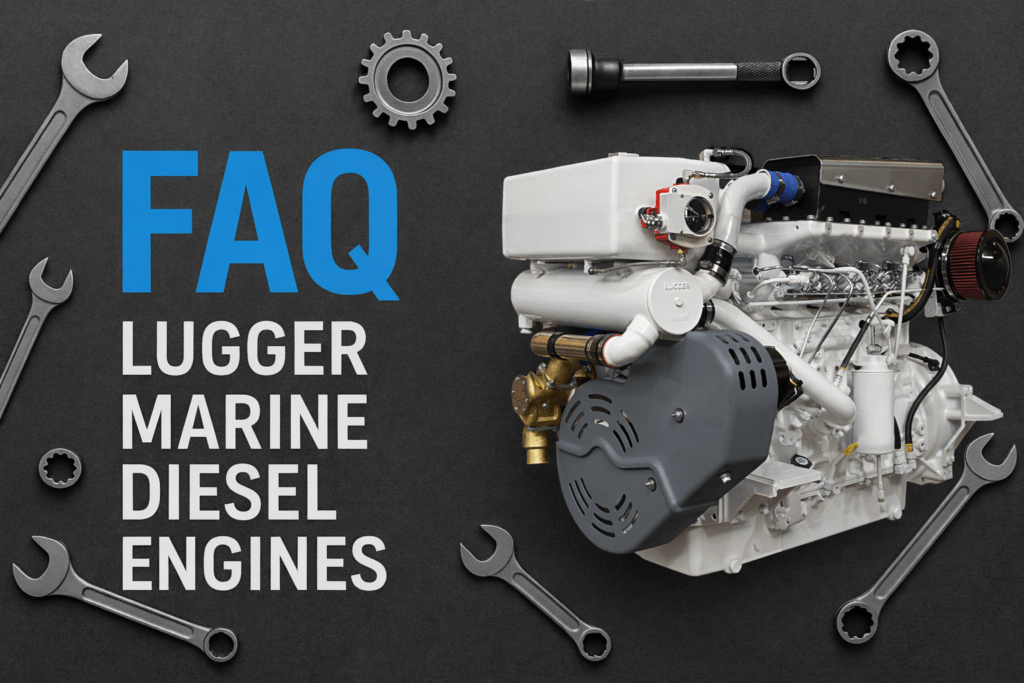
Lugger marine diesel engines are known for durability, mechanical simplicity, and long service life. Found in trawlers, commercial fishing vessels, and long-range cruisers, these engines are built to run for thousands of hours when properly maintained.
This guide is built around real-world service experience and connects directly with our Master Marine Diesel Troubleshooting Guide, helping boat owners in Ventura, Oxnard, Channel Islands Harbor, and Santa Barbara diagnose, maintain, and protect their engines.
Schedule Lugger Engine Service
Lugger Marine Diesel Engine Overview & Reliability
Lugger engines are widely respected for their heavy-duty construction and mechanical fuel systems. Unlike modern electronically controlled engines, many Lugger models use mechanical injection, making them easier to diagnose and repair in the field.
With proper maintenance, it’s common for these engines to exceed 10,000+ hours of operation. However, like any marine diesel, neglecting key systems will lead to failure.
Common Lugger Marine Diesel Problems
After 30+ years working on marine diesel engines throughout Ventura and the Channel Islands, the most common Lugger issues fall into predictable categories.
Overheating: Often caused by restricted heat exchangers, worn impellers, or blocked seawater flow. This is one of the most damaging failures if ignored.
Hard Starting: Typically linked to air in the fuel system, injector wear, or weak electrical systems.
Loss of Power: Fuel restriction, dirty filters, or turbo-related issues can reduce engine output under load.
Smoke Issues:
Fuel Contamination: A major issue in boats that sit for long periods. Learn more here:
Fuel system contamination guide
Lugger Maintenance & Service Requirements
Routine maintenance is the single most important factor in extending engine life.
Typical service intervals range from 100–250 hours depending on use.
- Oil and filter changes
- Fuel filter replacement
- Cooling system inspection
- Valve lash adjustment
- Belt and hose inspection
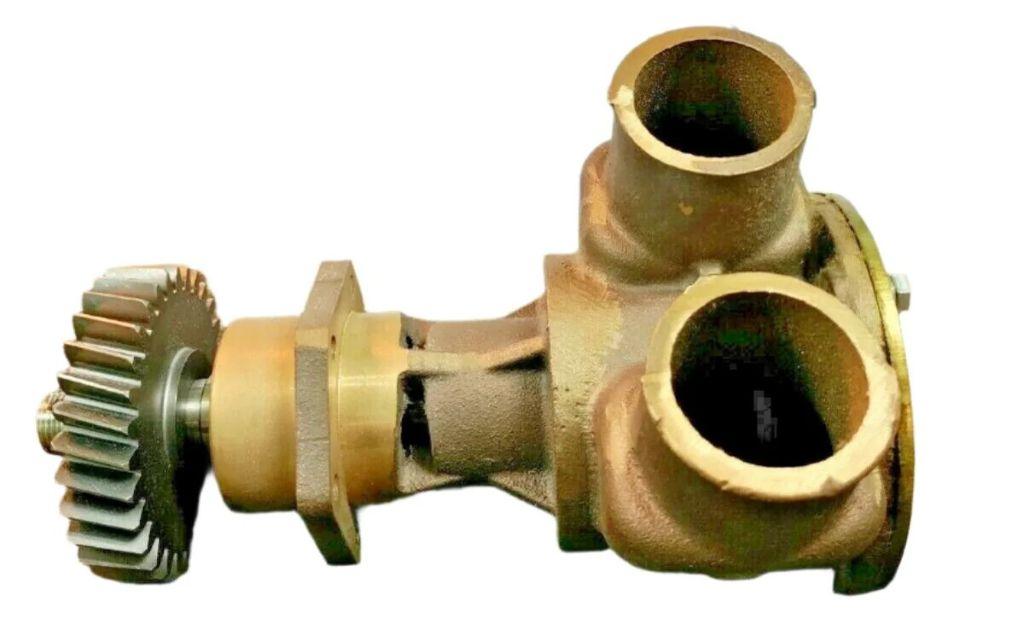
Cooling system neglect is one of the leading causes of engine failure. See our
Cooling System Diagnosis Guide.
Fuel System & Electrical Troubleshooting
Fuel and electrical systems are the most common sources of Lugger engine problems.
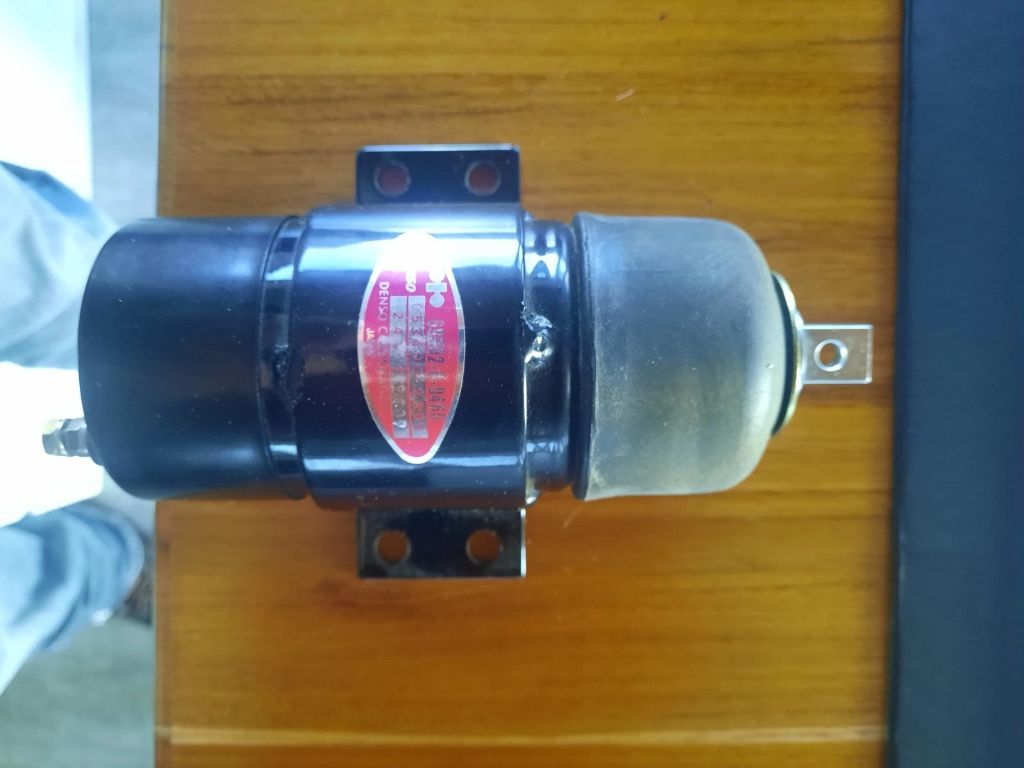
Even small issues like loose connections or air leaks can cause major performance problems.
Cooling System & Heat Exchanger Service
Lugger engines rely on heat exchangers to regulate temperature. Saltwater buildup, zinc debris, and internal corrosion can restrict flow.
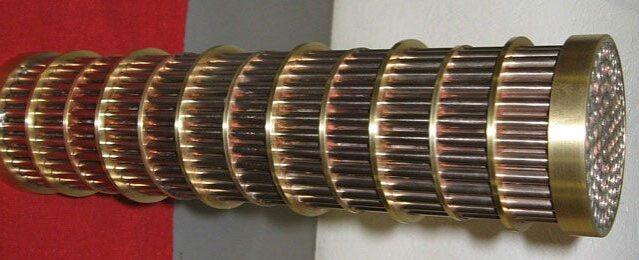
Service is typically recommended every 2–3 years.
How We Diagnose Lugger Marine Diesel Engines
Proper diagnosis is what separates a quick fix from an expensive mistake. Our process follows a structured approach built over 30+ years of marine diesel experience.
We start with symptom-based diagnosis using the Master Troubleshooting Guide, then move into system testing.
- Fuel system pressure and flow testing
- Cooling system flow verification
- Electrical system load testing
- Compression and internal condition checks
This process prevents unnecessary parts replacement and ensures accurate repairs.
Repair vs Rebuild vs Repower
One of the most common questions we get is whether to repair, rebuild, or repower a Lugger engine.
Repair: Best for isolated issues like pumps, injectors, or cooling system components.
Rebuild: Recommended when internal wear is present but the engine platform is still viable.
Repower: Considered when parts availability is limited or major failures occur.
Each situation is different, and a professional diagnostic inspection is the best way to determine the right path.