
Cummins marine diesel engines are some of the most recognized and trusted engines in recreational, commercial, and sportfishing boats. Models like the 6BTA, 6CTA, QSB, QSC, QSL, QSM, and X15 are known for durability, strong torque, and excellent service life when cooling systems, fuel systems, and maintenance schedules are handled correctly.
This Cummins FAQ page is built around the same real-world diagnostic approach used in our Master Marine Diesel Troubleshooting Guide. It is designed to help boat owners in Ventura, Oxnard, Channel Islands Harbor, and Santa Barbara better understand Cummins overheating, hard starting, smoke, power loss, fuel contamination, and routine service needs.
Schedule Cummins Diesel Service
Cummins Marine Diesel Engine Overview
Cummins engines are used in everything from cruising boats and trawlers to heavy sportfish and commercial vessels. Some owners run older mechanical engines like the 6BTA and 6CTA, while others operate newer electronically controlled platforms like the QSB 6.7, QSC, QSL, QSM, and X15.
Although Cummins engines have an excellent reputation, the most common problems we see are usually not total engine failures. They are system failures that develop over time in the cooling system, fuel system, air side, or electronics. Catching those problems early is one of the best ways to protect reliability and avoid expensive repairs.
- Boat engine overheating diagnosis
- Boat engine hard starting diagnosis
- Boat engine low power and RPM loss
- Marine engine surging at cruise RPM
- Fuel System Diagnosis Center
- Cooling System Diagnosis Center
Common Cummins Marine Diesel Problems We See
After 30+ years in the marine engine industry, the most common Cummins problems we see in Southern California typically fall into a few categories.
Cooling system restriction: failed impellers, blocked strainers, restricted heat exchangers, aftercooler fouling, and salt buildup are some of the biggest causes of overheating.
Fuel contamination: water, debris, algae, or poor filtration can damage injectors and create hard starting, smoke, or power loss.
Airflow and turbo issues: restricted air intake, leaking boost plumbing, and turbocharger problems can reduce performance and increase smoke.
Electronic control issues: on newer Cummins engines, sensors, harnesses, or fault codes can trigger performance limitations or derates.
Infrequent use: boats that sit too long often develop fuel stability problems, corrosion, and sticking components.
Related Cummins content from your site:
- Cummins 6BTA turbocharger problems
- Cummins fuel contamination and filtration problems
- Computerized Marine Diesel Engine Survey Diagnosis Center
Cummins Cooling System & Overheating Problems
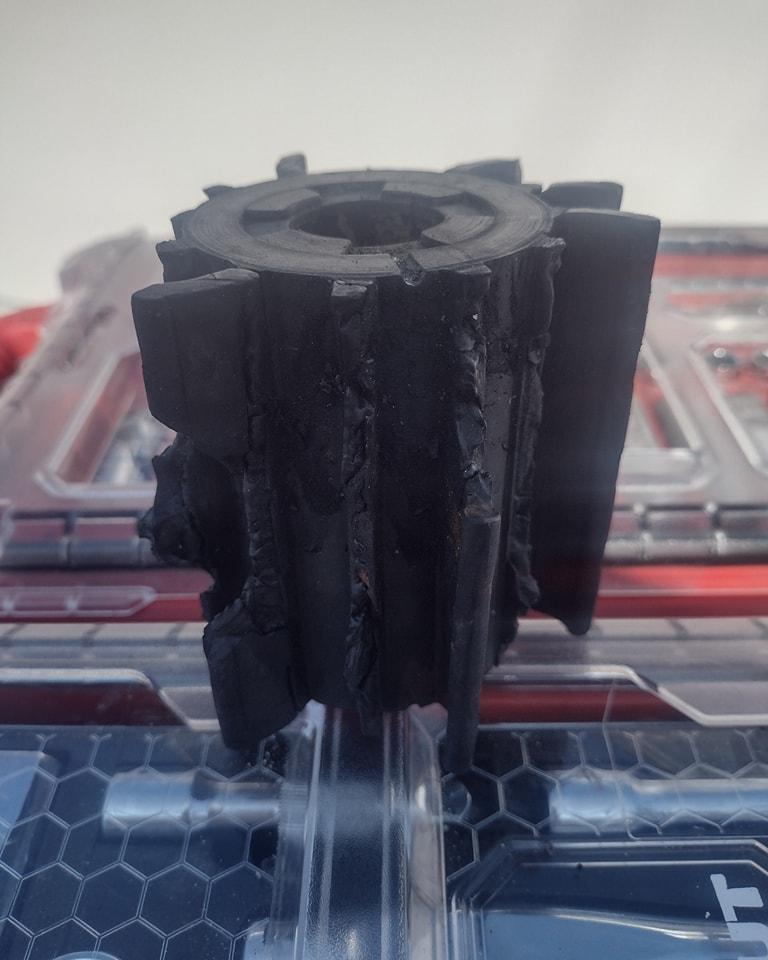
Overheating is one of the most common Cummins complaints, especially in saltwater boats that run year-round. In many cases, the first failure point is the raw water side rather than an internal engine issue.
Common overheating causes on Cummins marine diesel engines include:
- Seawater pump impeller failure
- Raw water restriction at the intake or strainer
- Heat exchanger fouling
- Aftercooler blockage
- Coolant neglect on closed-loop systems
- Broken impeller pieces lodged downstream
That is why a proper overheating diagnosis should never stop at “replace the impeller.” The entire circuit needs to be checked. A weak raw water pump or hidden blockage can continue causing elevated temperatures even after the obvious failed part is replaced.
Cummins Engine Models We Commonly See
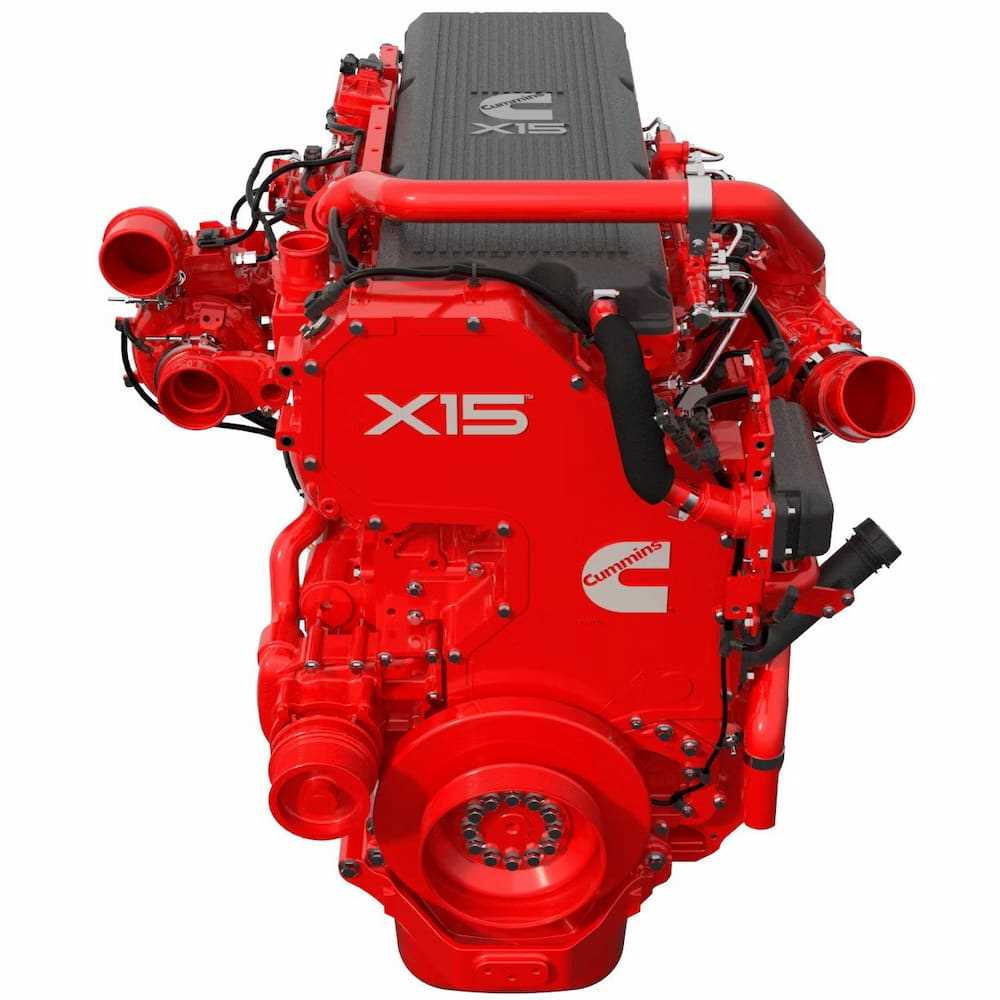
We commonly work with:
- Cummins 6BTA 5.9
- Cummins 6CTA 8.3
- Cummins QSB 6.7
- Cummins QSC
- Cummins QSL
- Cummins QSM
- Cummins X15
- Cummins Onan marine generators
Each platform has its own service patterns, but the same principles still apply clean fuel, reliable cooling, proper diagnostics, and timely maintenance.
Maintenance, Service Intervals & Long-Term Reliability
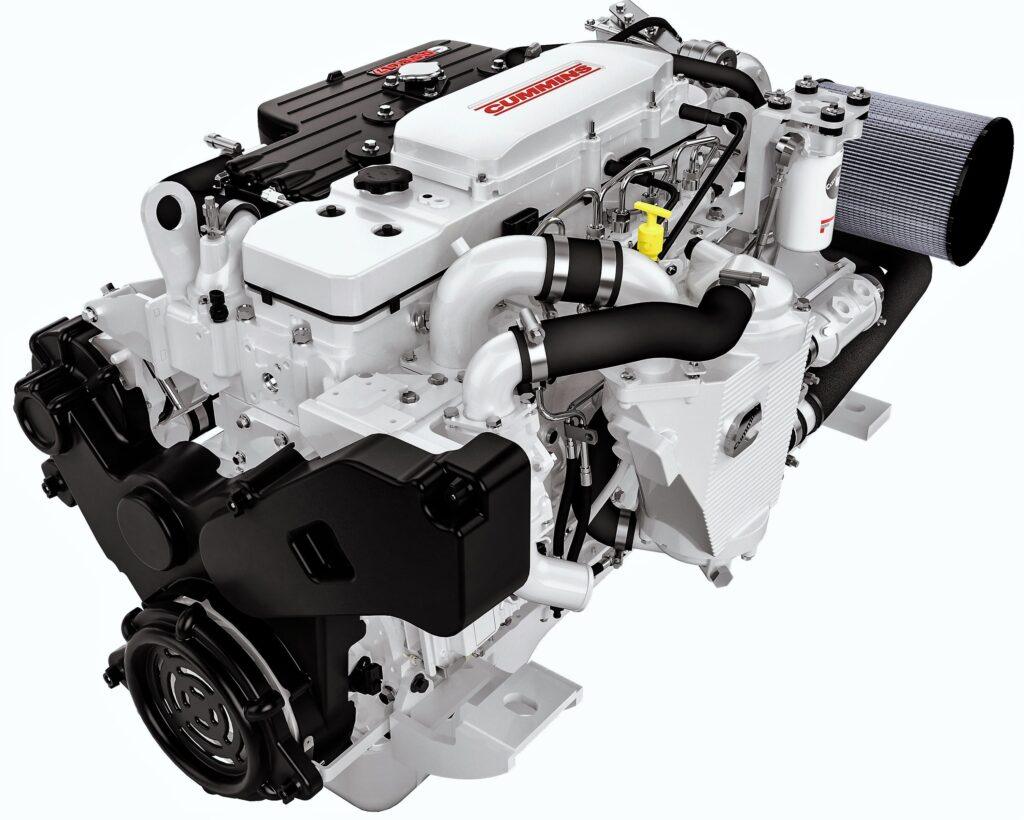
Most Cummins marine diesel engines should be serviced every 100–250 hours or annually, depending on model, usage, and operating environment. Preventative maintenance is almost always cheaper than corrective repairs after a breakdown.
Typical Cummins service items include:
- Engine oil and filter changes
- Primary and secondary fuel filter changes
- Impeller inspection or replacement
- Belt and hose inspection
- Heat exchanger and aftercooler service planning
- Coolant condition checks
- Battery, charging, and starting system inspection
In Southern California, winterization is generally not required, but year-round preventive maintenance matters even more because saltwater exposure never really stops.
Surveys, Inspections & Cummins Ownership Decisions
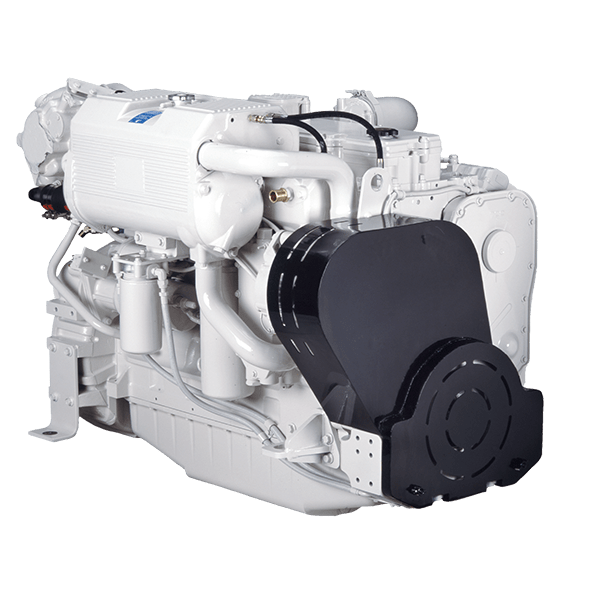
Pre-purchase inspections are one of the smartest things a buyer can do on a Cummins-powered boat. A proper inspection can identify cooling system neglect, smoke issues, fuel system concerns, corrosion, maintenance gaps, and performance red flags before they become your problem.
Typical inspection items include:
- Visual engine condition
- Maintenance history review
- Fluid condition checks
- Electronic diagnostics where applicable
- Cooling system evaluation
- Sea-trial observations when available
We also coordinate with surveyors and insurers when required and service boats that remain in the water year-round throughout Channel Islands Harbor, Ventura, Oxnard, and Santa Barbara.
Helpful External Resources for Cummins Owners
- Cummins Marine official site
- BoatUS expert advice and maintenance articles
- Yachting Magazine boating and technical articles