
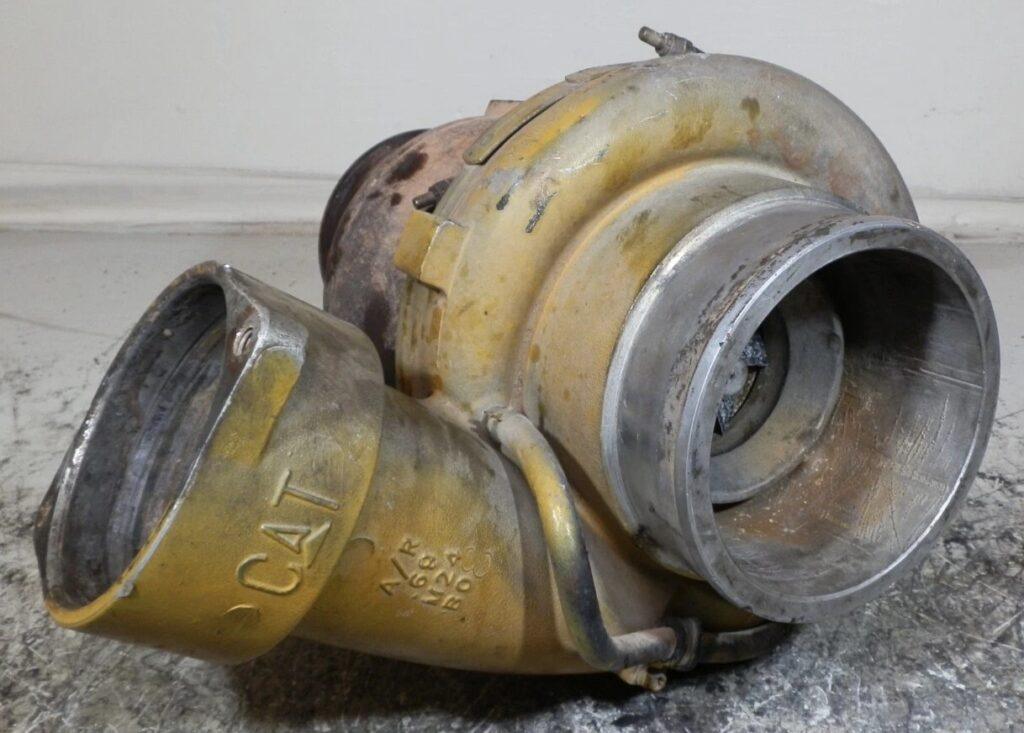
Caterpillar Marine Diesel Turbocharger Failures: Complete Turbo & Air System Diagnosis Authority Guide
Turbochargers play a critical role in modern marine diesel engine performance. Caterpillar engines such as the CAT 3116, 3126, C7, C9, C12, C18, and C32 depend on turbochargers to increase airflow into the engine, allowing more fuel to burn efficiently and produce higher horsepower.
When turbochargers begin to fail or the air system becomes restricted, engine performance can decline quickly. Loss of boost pressure often leads to reduced RPM, black exhaust smoke, and overall poor engine efficiency.
At 805 Marine Diesel Mechanic, we diagnose Caterpillar turbocharger and air system problems throughout Ventura, Oxnard, Channel Islands Harbor, and Santa Barbara. With over 30 years of marine diesel experience, we use a systematic diagnostic approach to identify airflow restrictions and turbocharger failures.
This guide is part of our complete diagnostic hub:
Master Marine Diesel Troubleshooting Guide
Schedule Caterpillar Turbo System Diagnosis
How Caterpillar Marine Turbochargers Work
A turbocharger increases engine power by forcing additional air into the combustion chambers. Exhaust gases spin the turbine wheel, which drives the compressor wheel on the intake side.
This compressed air allows the engine to burn more fuel efficiently, increasing both horsepower and torque.
The turbo system typically includes:
- Turbocharger turbine and compressor
- Air intake system
- Aftercooler
- Charge air piping
- Exhaust manifold
Any restriction or failure within these components can significantly reduce engine performance.
Related engine performance problems can be explored here:
Low Power Loss of RPM Diagnosis Center
Common Caterpillar Turbocharger Failure Symptoms
Turbocharger problems usually produce several noticeable symptoms.
- Loss of engine power
- Black exhaust smoke
- Slow acceleration
- Reduced top speed
- Excessive exhaust temperatures
These symptoms typically occur when airflow becomes restricted or boost pressure decreases.
Combustion issues related to airflow problems are covered here:
Smoke & Combustion Diagnosis Center
Turbocharger Mechanical Failures
Turbochargers operate at extremely high speeds and temperatures. Over time, internal components can wear or fail.
Common turbocharger failures include:
- Worn turbo shaft bearings
- Damaged compressor blades
- Exhaust turbine damage
- Oil seal failures
When bearings fail, the turbo shaft may develop excessive play, which can quickly damage the compressor housing.
Air Intake Restrictions
Even when the turbocharger itself is functioning properly, restrictions in the air intake system can reduce airflow.
Common intake restrictions include:
- Dirty air filters
- Collapsed intake hoses
- Restricted air silencers
- Blocked intake vents
Air intake restrictions often cause engines to run rich and produce black smoke.
Aftercooler Problems
Aftercoolers cool compressed air coming from the turbocharger. Cooler air increases oxygen density and improves combustion efficiency.
Aftercooler problems may include:
- Salt buildup inside cooling passages
- Internal corrosion
- Restricted seawater flow
When aftercoolers become restricted, intake air temperatures rise and engine power declines.
Cooling system diagnostics can also be found here:
Cooling System Diagnosis Center
Fuel System Interaction With Turbo Performance
The turbocharger and fuel system must work together to maintain proper engine performance.
If fuel delivery becomes restricted, turbocharger performance may also decline.
Fuel system diagnostics are covered here:
Professional Caterpillar Turbo Diagnosis
Diagnosing turbocharger problems requires a combination of mechanical inspection and engine performance testing.
Our turbo system diagnostic process typically includes:
- Boost pressure testing
- Turbo shaft inspection
- Air intake restriction testing
- Aftercooler inspection
- Exhaust system inspection
Advanced engine inspections are available through:
Computerized Marine Engine Survey Diagnostics Center
Preventing Marine Diesel Turbocharger Failures
Proper maintenance helps extend turbocharger life and maintain engine performance.
Recommended preventive maintenance includes:
- Regular air filter replacement
- Routine aftercooler inspection
- Monitoring engine exhaust temperatures
- Maintaining proper oil quality
- Periodic turbo inspection
Early detection of airflow restrictions can prevent expensive turbocharger failures.
Caterpillar Marine Diesel Service in Ventura & Channel Islands Harbor
805 Marine Diesel Mechanic provides professional Caterpillar turbo system diagnosis and repair throughout:
- Ventura Harbor
- Channel Islands Harbor
- Oxnard
- Santa Barbara
If your Caterpillar marine diesel engine is experiencing turbocharger or air system problems, professional diagnosis can quickly identify the cause.
Contact 805 Marine Diesel Mechanic
Caterpillar Turbocharger FAQ
Turbo failures are commonly caused by oil contamination, bearing wear, foreign object damage, or airflow restrictions.
Yes. Reduced boost pressure from a failing turbocharger can lead to incomplete combustion and black exhaust smoke.
Signs include shaft play, reduced boost pressure, oil leakage, and loss of engine performance.
Yes. Dirty air filters reduce airflow to the turbocharger and limit engine power.
Authority Resources
Caterpillar Marine Engines |
Garrett Turbocharger Technology