
Racor triple manifold turbine fuel filtration, diesel vacuum monitoring, NMEA 2000 restriction sensors, and offshore fuel-system protection for Ventura Harbor, Oxnard, Channel Islands Harbor, and Santa Barbara. Start with the Master Marine Diesel Troubleshooting Guide when your vessel develops fuel starvation, loss of RPM under load, vacuum restriction alarms, air intrusion, clogged fuel filters, injector contamination, or diesel-engine shutdowns offshore. 805 Marine Diesel Mechanic specializes in Racor turbine-series filtration systems, triple manifold installations, and advanced fuel-monitoring upgrades for inboard diesel yachts and commercial vessels.
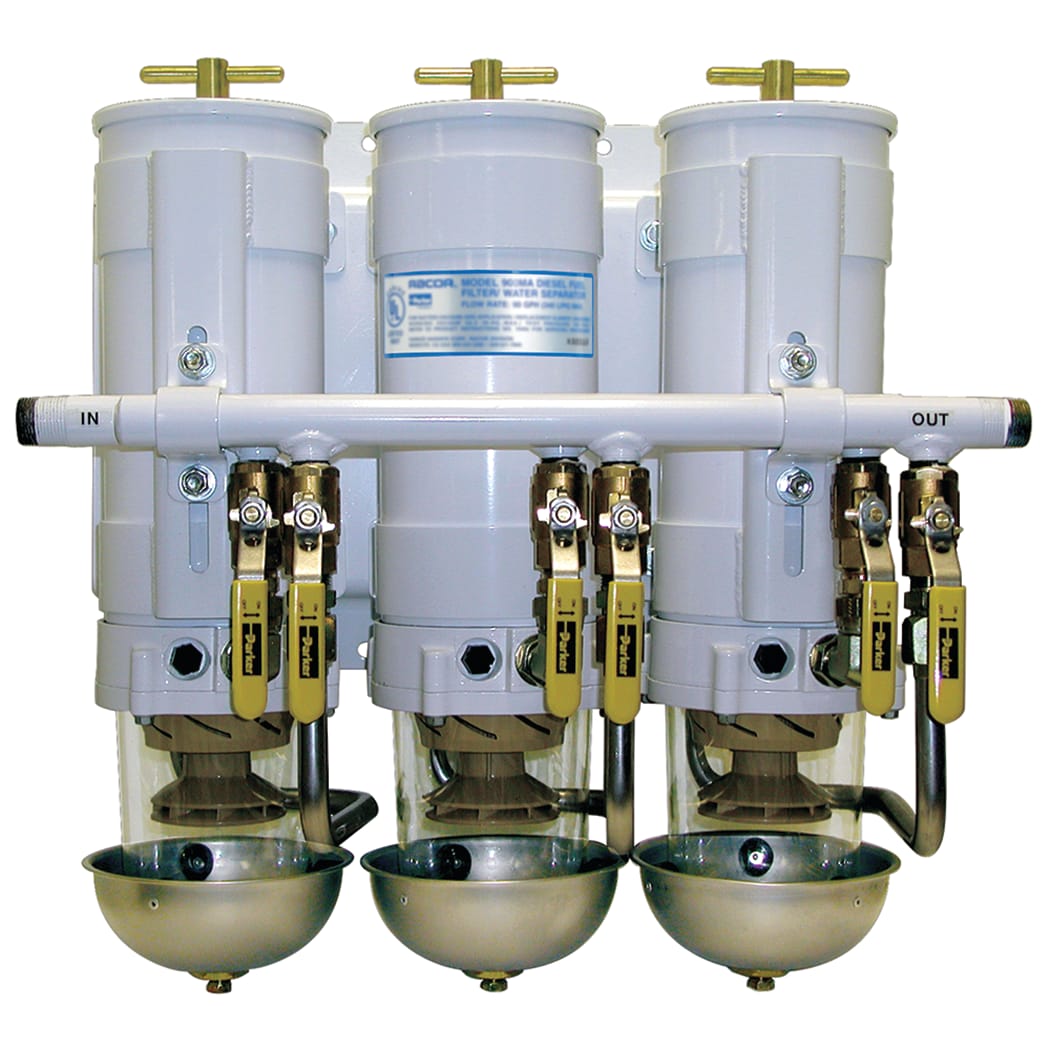
Racor Triple Manifold Fuel Filtration by 805 Marine Diesel Mechanic — trained technicians delivering diesel fuel-system upgrades, vacuum monitoring, NMEA 2000 sensor integration, offshore contamination protection, and dockside marine diesel support across Ventura, Oxnard, Channel Islands Harbor & Santa Barbara.
Contact our Racor filtration team.
Modern marine diesel engines depend on exceptionally clean fuel. Water contamination, microbial growth, rust particles, and tank sludge can rapidly damage injectors, high-pressure pumps, and common-rail fuel systems. Properly designed Racor triple manifold systems dramatically improve offshore reliability by providing redundant filtration and real-time fuel restriction monitoring.
Why Triple Manifold Fuel Filtration Matters Offshore
Fuel contamination remains one of the most common causes of offshore diesel-engine failure. Water intrusion, biological growth, tank sediment, and dockside fuel contamination can restrict filters rapidly — especially in rough offshore conditions where tanks are constantly agitated.
Triple manifold Racor systems provide redundancy by allowing operators to switch between multiple filters without shutting down the engine. This dramatically improves safety during long offshore runs between Ventura, Santa Barbara, and the Channel Islands.
With vacuum monitoring and NMEA 2000 integration, operators can monitor restriction levels before engine performance begins to suffer.
How Racor Triple Manifold Systems Work
- Stage 1 — Turbine Separation: Centrifugal action separates larger contaminants and free water.
- Stage 2 — Coalescing: Smaller water droplets collect and settle into the bowl.
- Stage 3 — Aquabloc Filtration: Fine particulate and moisture are captured before fuel reaches the engine.
The triple manifold configuration allows each Racor housing to be isolated independently with shutoff valves, enabling underway filter changes and improved redundancy for twin-engine offshore vessels.
For additional diesel fuel-system support information, owners often review the verified Air in Fuel System on a Marine Diesel Engine page.
Advantages of Racor Triple Manifold Systems
Redundant Offshore Protection
Operators can switch between filters underway if contamination begins restricting fuel flow.
Improved Fuel Cleanliness
Triple-stage filtration dramatically reduces water and particulate contamination.
Reduced Injector and Pump Wear
Cleaner fuel helps extend injector life and protects expensive common-rail systems.
Condition-Based Filter Maintenance
Vacuum monitoring allows filters to be changed based on actual restriction instead of estimated service intervals.
Enhanced Offshore Reliability
Fuel-system redundancy significantly reduces the risk of offshore engine shutdowns.
Professional Racor Fuel-System Services
Triple Manifold Installation and Upgrades
805 Marine Diesel Mechanic designs and installs complete Racor triple manifold systems sized specifically for your engines, flow rates, and vessel operating profile.
We configure:
- Isolation valves
- Fuel-return routing
- ABYC-compliant hose upgrades
- Service-access layout
- Pressure and vacuum monitoring
- Helm monitoring integration
Vacuum Gauge and Restriction Monitoring
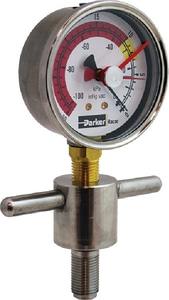
Vacuum gauges allow operators to monitor fuel restriction in real time. As contamination builds in the filter element, inlet restriction rises and vacuum increases.
Monitoring these trends allows operators to replace filters before restriction causes RPM loss or fuel starvation.
NMEA 2000 Fuel Restriction Monitoring
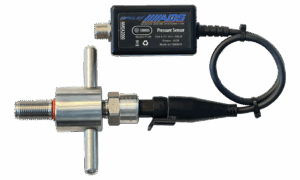
NMEA 2000 vacuum sensors transmit live restriction data directly to your multifunction display or vessel-monitoring system. This provides proactive warning before filters become critically restricted.
805 Marine Diesel Mechanic installs and calibrates NMEA 2000 monitoring systems for offshore-ready diesel fuel management.
Fuel Hose, Plumbing, and ABYC Upgrades
A Racor manifold installation is the ideal time to correct aging fuel-system plumbing and routing problems. We frequently replace:
- Aging fuel hose
- Improper fittings
- Undersized supply lines
- Poorly supported plumbing
- Corroded shutoff valves
- Improperly routed return systems
For additional fuel-system reference information, owners often review the verified Marine Hose Clamp Upgrade page.
Integrated Diesel Fuel-System Diagnostics
Fuel restriction problems are often connected to tank contamination, collapsing hoses, pickup-tube obstruction, vent restrictions, or air intrusion.
We evaluate:
- Tank contamination levels
- Vacuum trends under load
- Fuel-return flow
- Air intrusion
- Injector contamination risk
- Secondary filter condition
- Fuel-pressure stability
For additional offshore diesel support information, owners frequently review the verified Rough Idle on a Marine Diesel Engine page.
Supporting Mixed Diesel Fleets and Offshore Cruising
Many vessels operating throughout Ventura and Santa Barbara run mixed diesel systems including Caterpillar mains, Cummins mains, Perkins generators, and Yanmar auxiliary engines. Properly designed Racor systems can support multiple engines and generators while maintaining excellent filtration performance.
As diesel fuel formulations continue evolving, water management and microbial contamination control become increasingly important for long-term reliability.
For verified external technical references, owners can review Racor Parker Filtration and BoatUS.
Local Dockside Racor Service Coverage
- Ventura Harbor: Racor manifold installation and vacuum monitoring upgrades.
- Oxnard: Fuel-system troubleshooting and NMEA 2000 sensor integration.
- Channel Islands Harbor: Offshore-ready fuel filtration redundancy upgrades.
- Santa Barbara Harbor: Dockside diesel contamination diagnostics and Racor servicing.
Verified Racor Fuel-System Technical Resources
- Marine Hose Clamp Upgrade
- Marine Engine Fresh Water Flushing System
- Perkins Marine Diesel
- Yanmar Marine Diesel
- Electronic Engine Controls
- Flexible Shaft Couplings
- Marine Diesel Troubleshooting Guide
- 805 Marine Diesel Mechanic Contact
- BoatUS
Protect your offshore diesel engines with professional Racor triple manifold filtration, vacuum monitoring, and NMEA 2000 fuel-system upgrades from 805 Marine Diesel Mechanic.
Racor Triple Manifold Fuel Filtration FAQ
Why should I upgrade to a Racor triple manifold system?
A triple manifold provides fuel-system redundancy, allows underway filter changes, and dramatically improves offshore diesel reliability.
What does a Racor vacuum gauge monitor?
A vacuum gauge measures fuel restriction at the filter inlet and helps identify when filters are becoming clogged.
Can NMEA 2000 systems display Racor filter restriction?
Yes, NMEA 2000 vacuum sensors can transmit live restriction data directly to multifunction displays and vessel-monitoring systems.
Do you provide mobile dockside Racor installation?
Yes, 805 Marine Diesel Mechanic provides dockside Racor manifold installation and fuel-system diagnostics throughout Ventura, Oxnard, Channel Islands Harbor, and Santa Barbara.
Can Racor systems protect common-rail diesel injectors?
Yes, advanced Racor filtration dramatically reduces water and particulate contamination that can damage modern high-pressure injectors.
Why are triple manifolds useful offshore?
Triple manifolds allow operators to switch filters underway if contamination restricts fuel flow during offshore operation.
Can fuel contamination cause RPM loss under load?
Yes, clogged filters and fuel restriction often cause diesel engines to lose RPM and power under heavy load.
Do you work on gasoline fuel systems?
No. 805 Marine Diesel Mechanic focuses exclusively on inboard marine diesel engines and fuel systems.
Can poor fuel-system plumbing create restriction problems?
Yes, undersized hoses, collapsing lines, improper routing, and contaminated tanks can all contribute to restriction and fuel starvation.
What areas do you service?
805 Marine Diesel Mechanic serves Ventura, Oxnard, Channel Islands Harbor, and Santa Barbara with mobile dockside marine diesel support.
Need Racor Triple Manifold Fuel-System Service?
Get professional Racor turbine filtration upgrades, vacuum monitoring, NMEA 2000 integration, and offshore diesel fuel-system protection throughout Ventura, Oxnard, Channel Islands Harbor, and Santa Barbara.
One Response